
Earth – Water – Fire
Ochre from Roussillon France
(*text în română mai jos)
During my geology studies at Babeș-Bolyai University in Cluj-Napoca, I had the opportunity to learn about a wide variety of minerals and rocks, including clay minerals and sedimentary rocks.
Later, while traveling, I occasionally had the chance to encounter in the field and see firsthand some of the geological features I had previously studied.
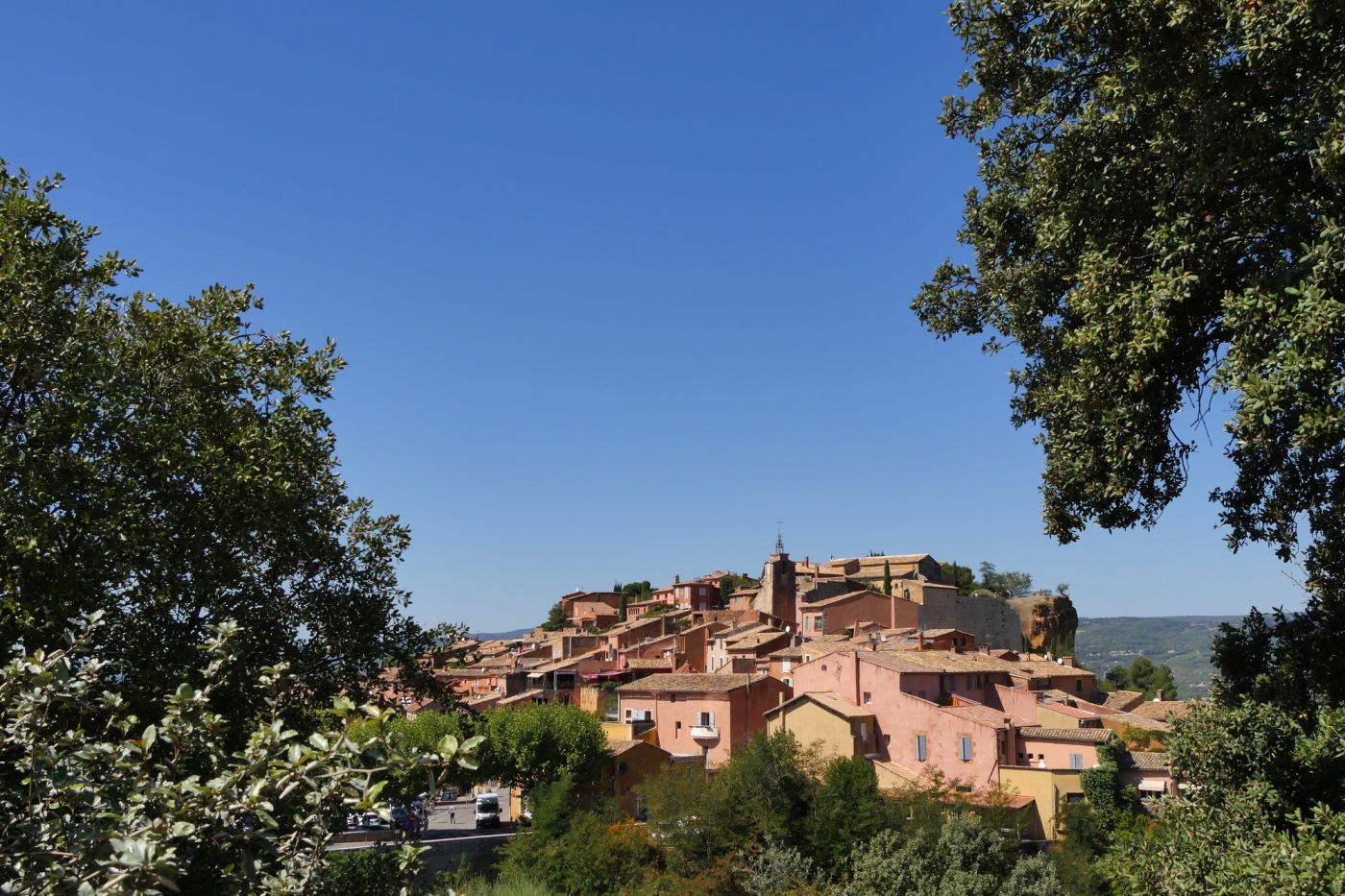
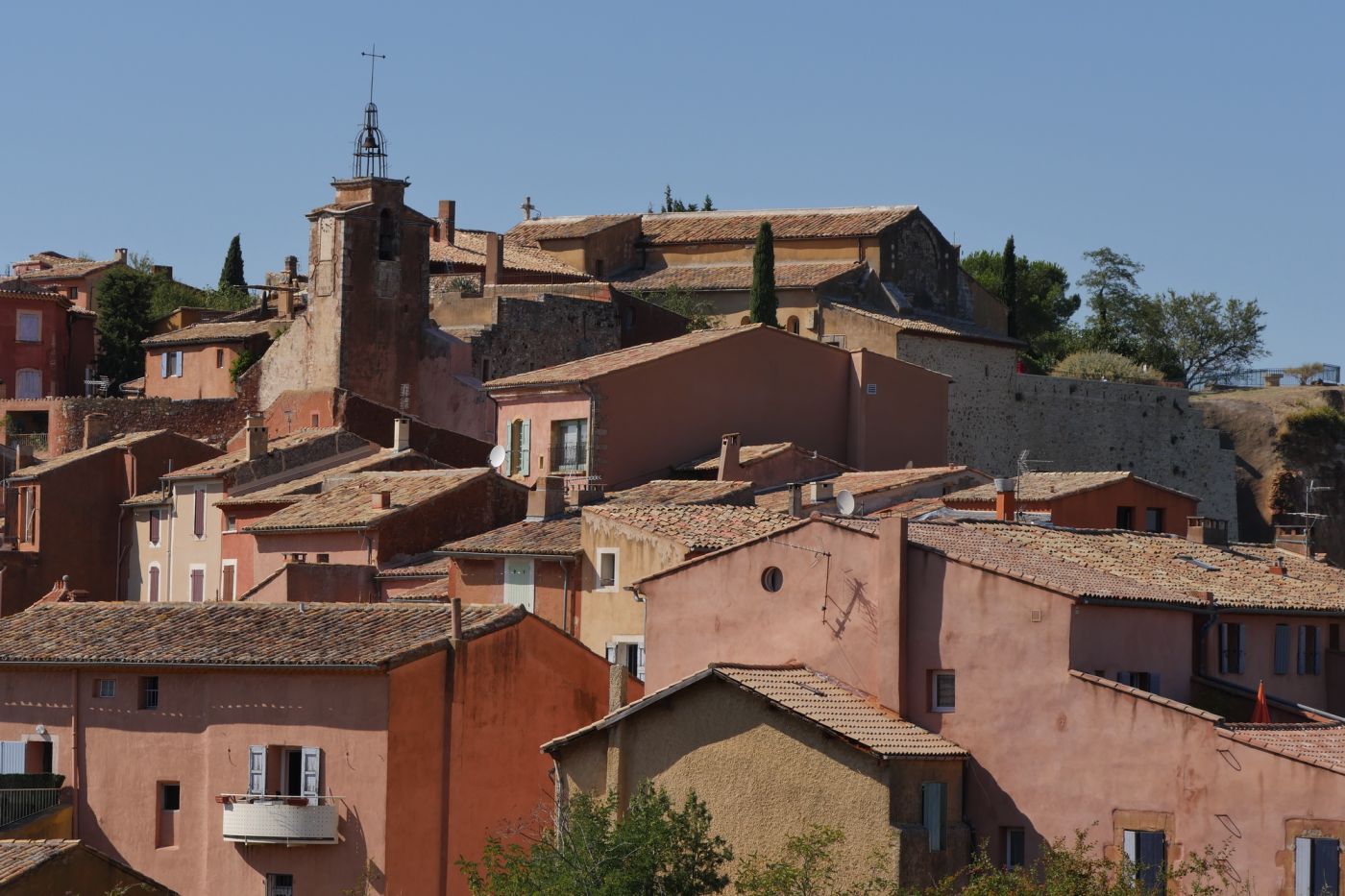
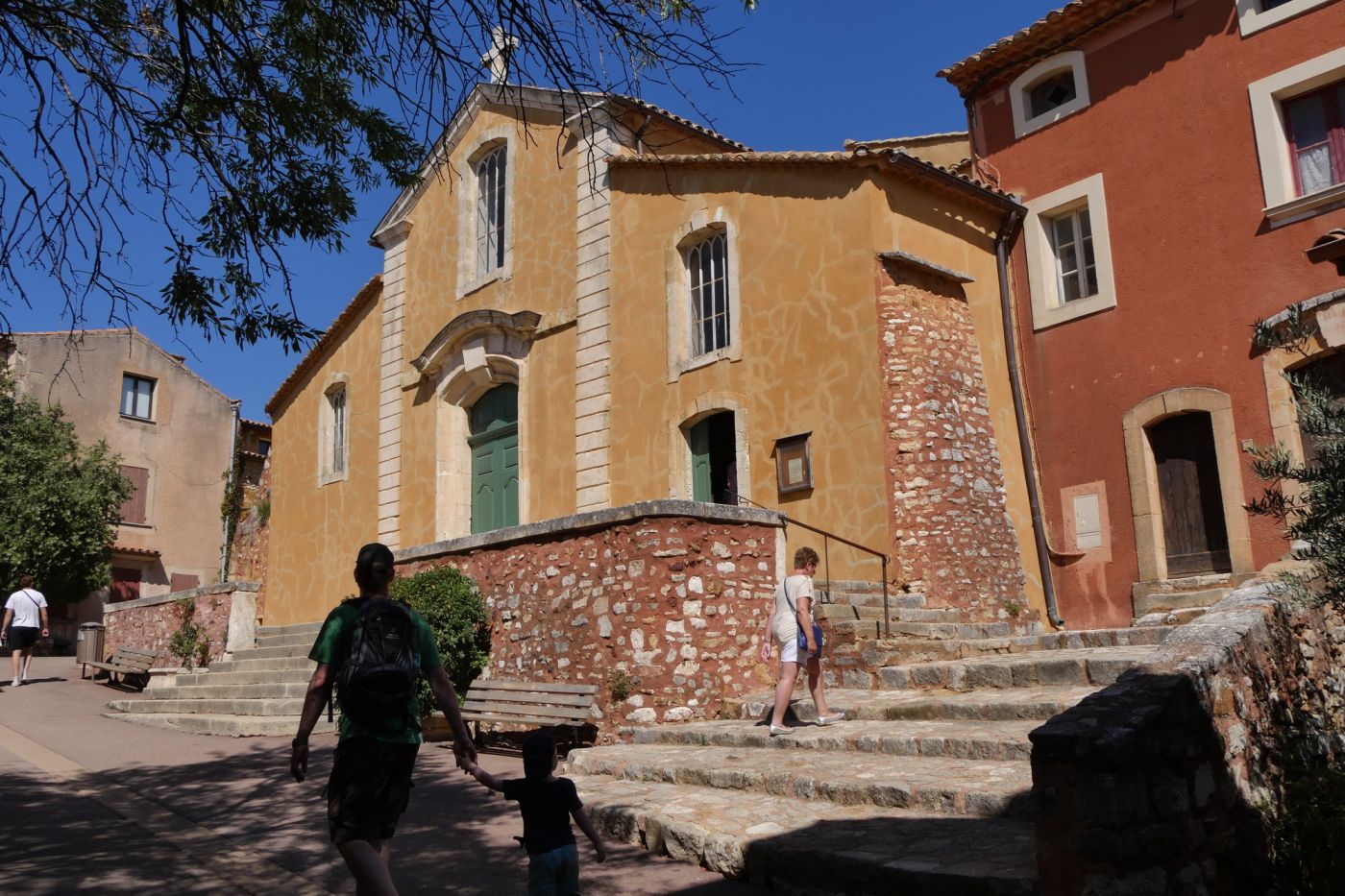
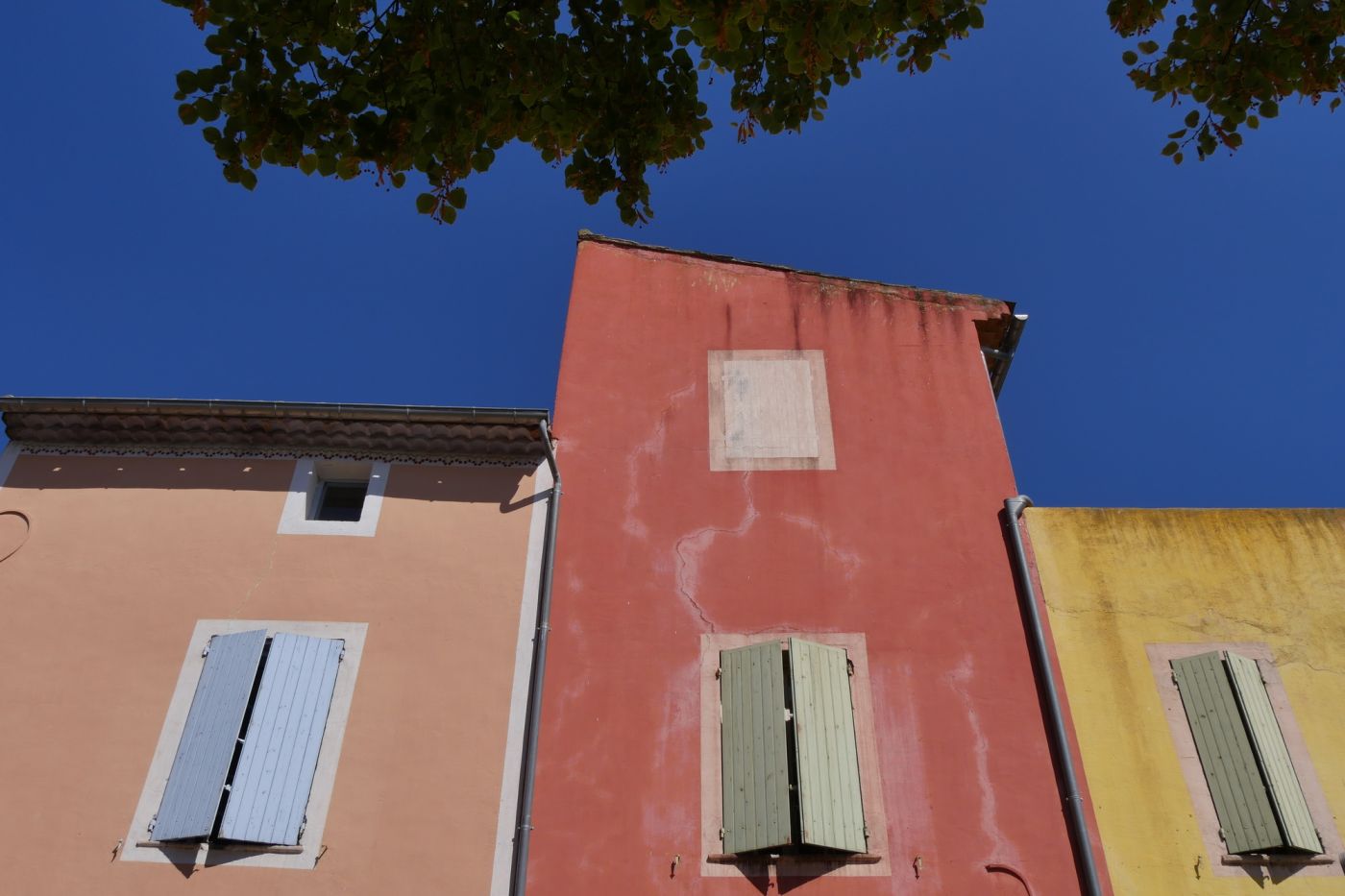
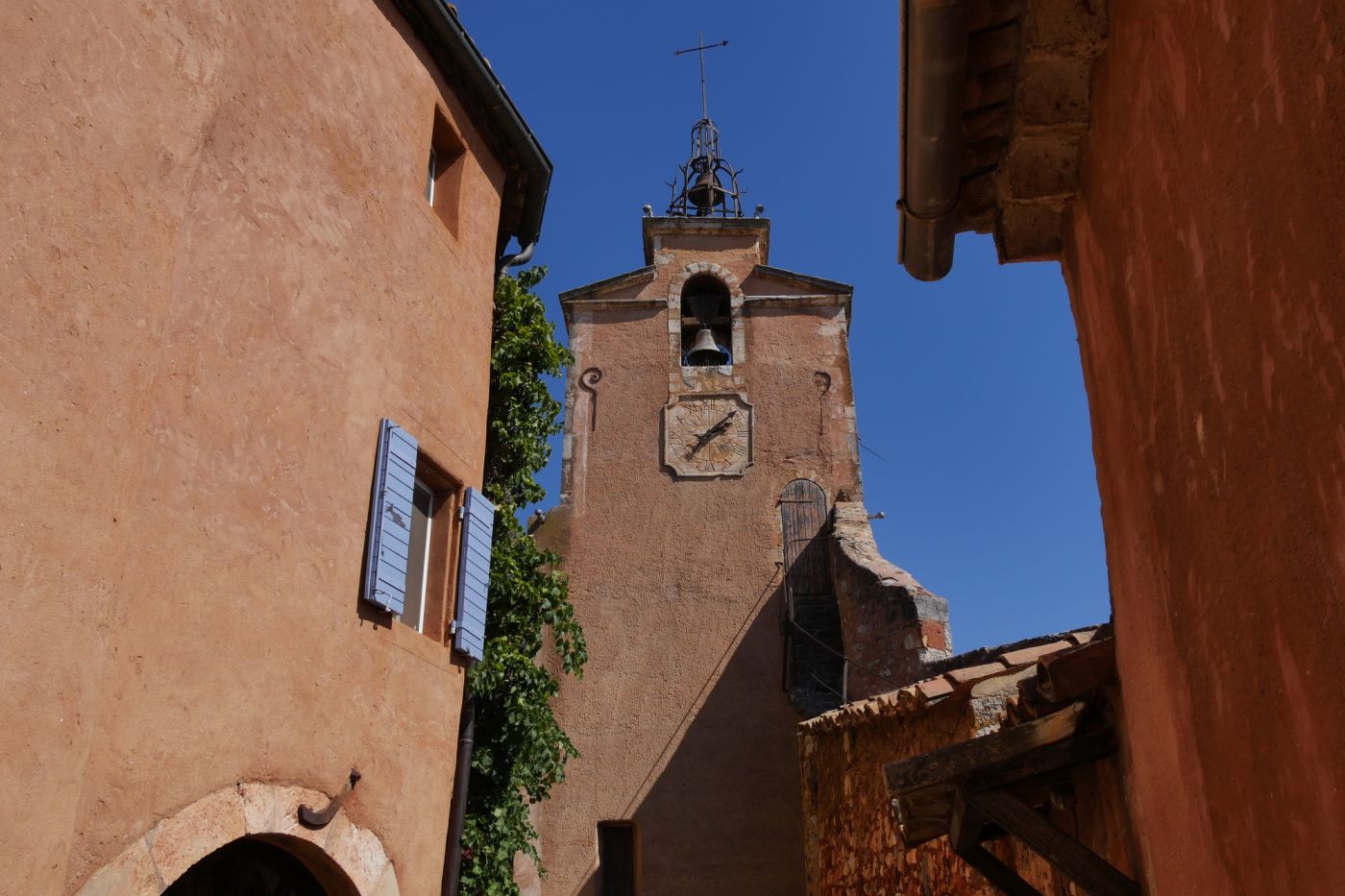
One such place is Roussillon, a village in the Luberon Massif, Vaucluse Department, in Provence, southeastern France. Perched atop a hill, the small village stands out from afar thanks to the striking contrast between its ochre-yellow and brown buildings and the surrounding green pine forest.
Roussillon is renowned for its ochre quarries, which were exploited for centuries and supplied natural pigments used primarily in construction and for decorating building façades. For a long time, it was regarded as the world’s most important ochre-producing area.
From a geological perspective, the clay-rich formations around Roussillon date back to the Lower Cretaceous, having formed approximately 100–115 million years ago. At that time, the region is believed to have had a tropical climate, consisting of a lagoonal or deltaic environment. Sediments transported by rivers were deposited in the shallow coastal waters of the ancient Tethys Sea.
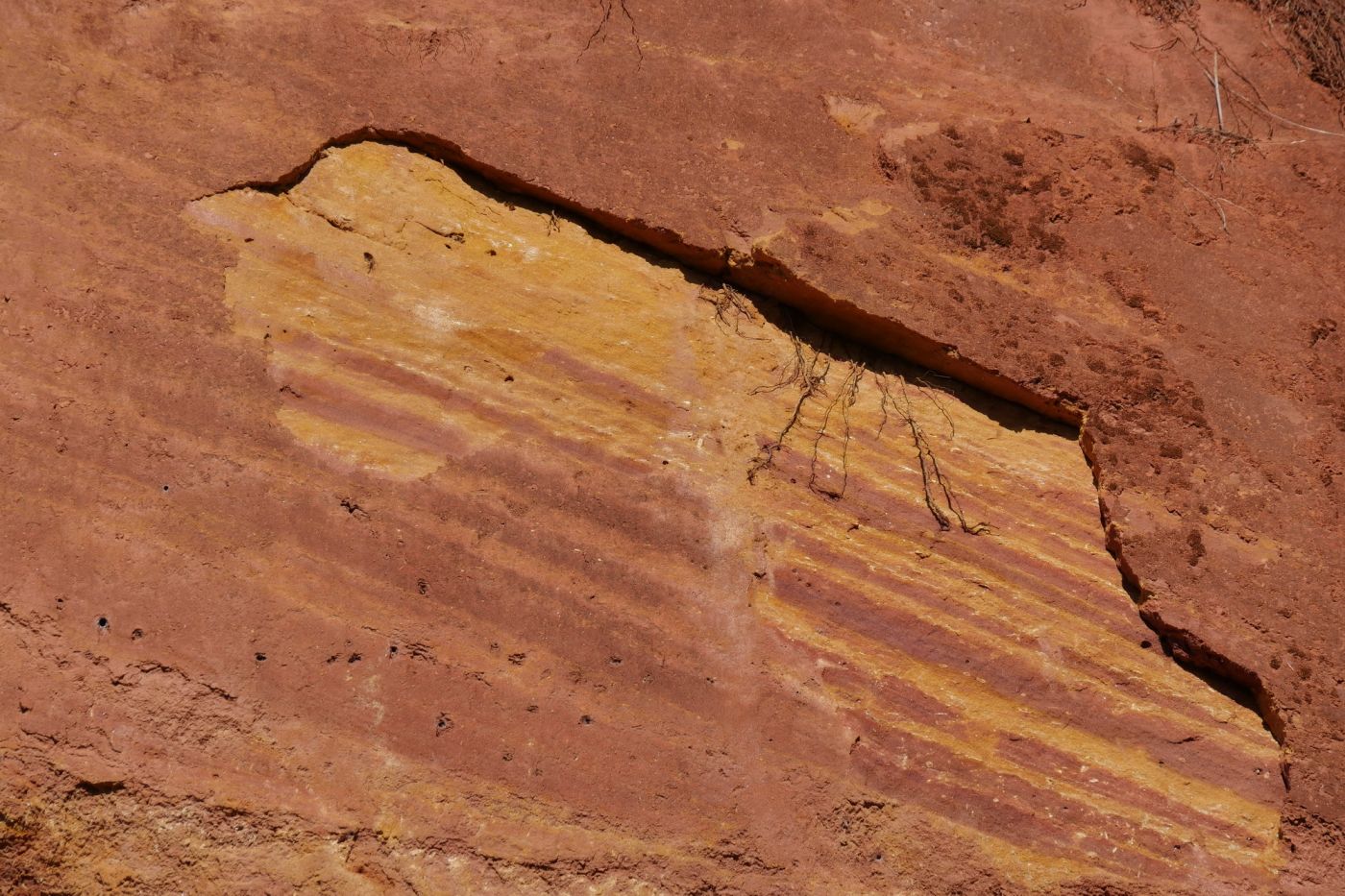
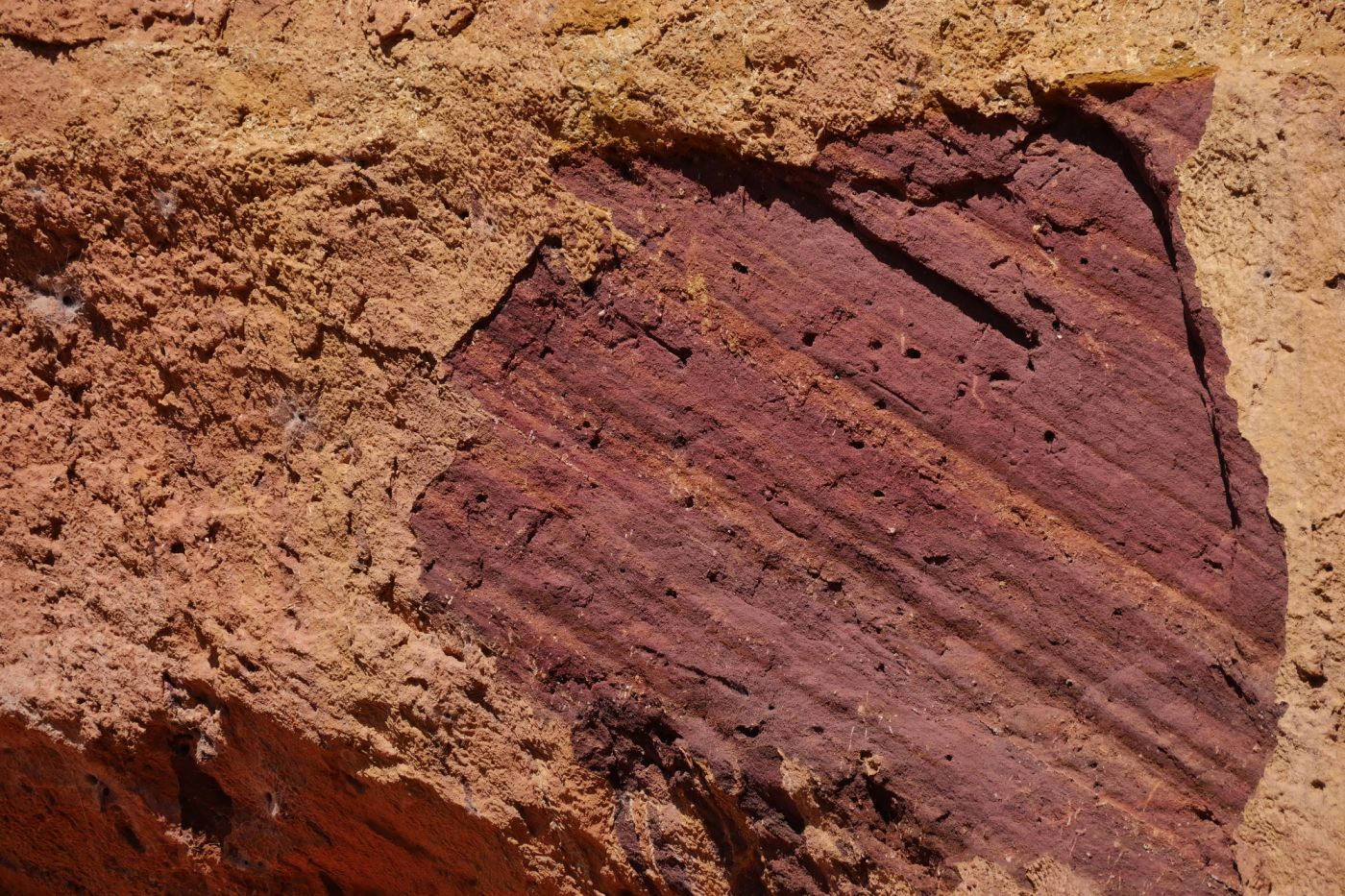
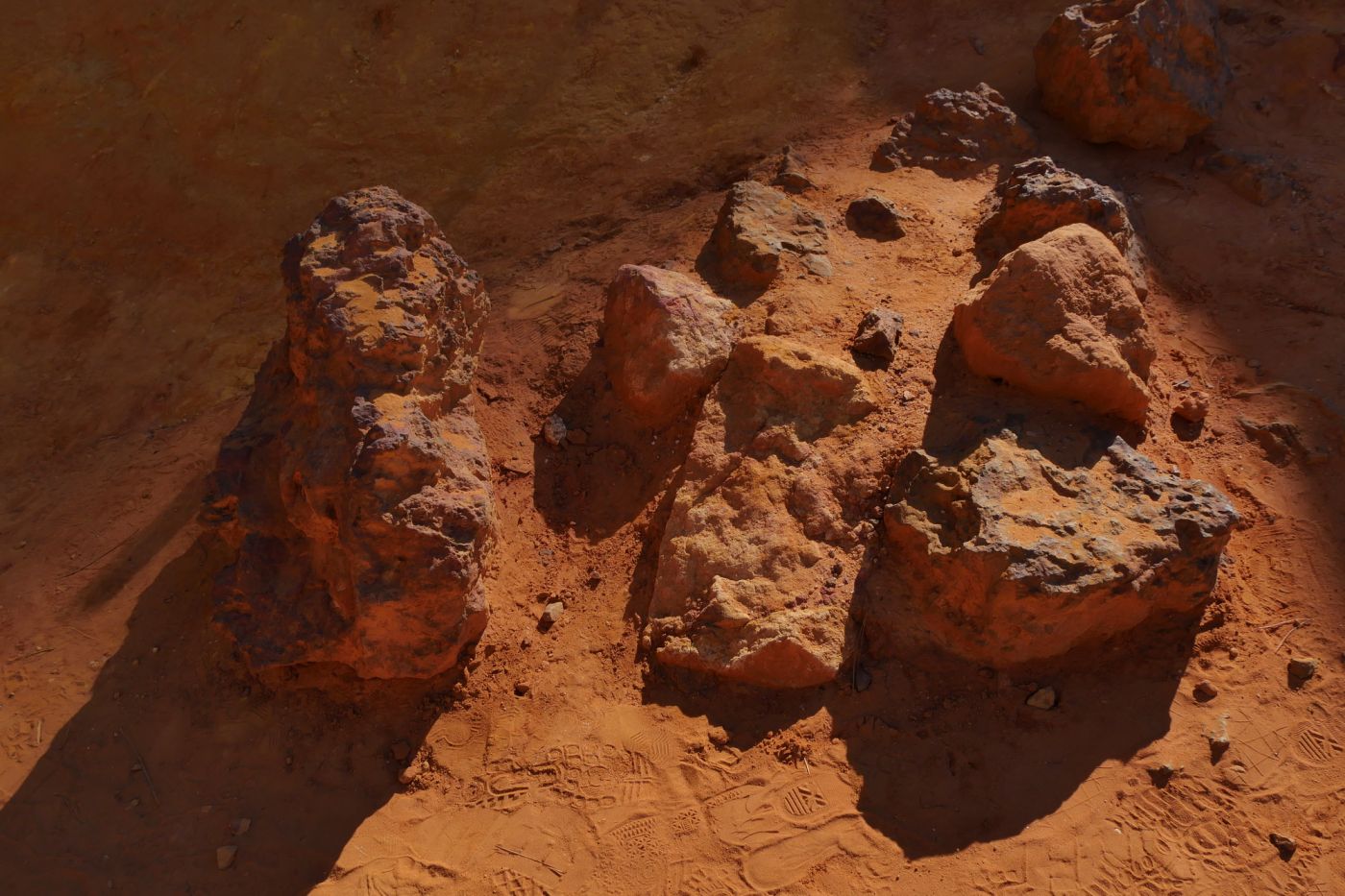
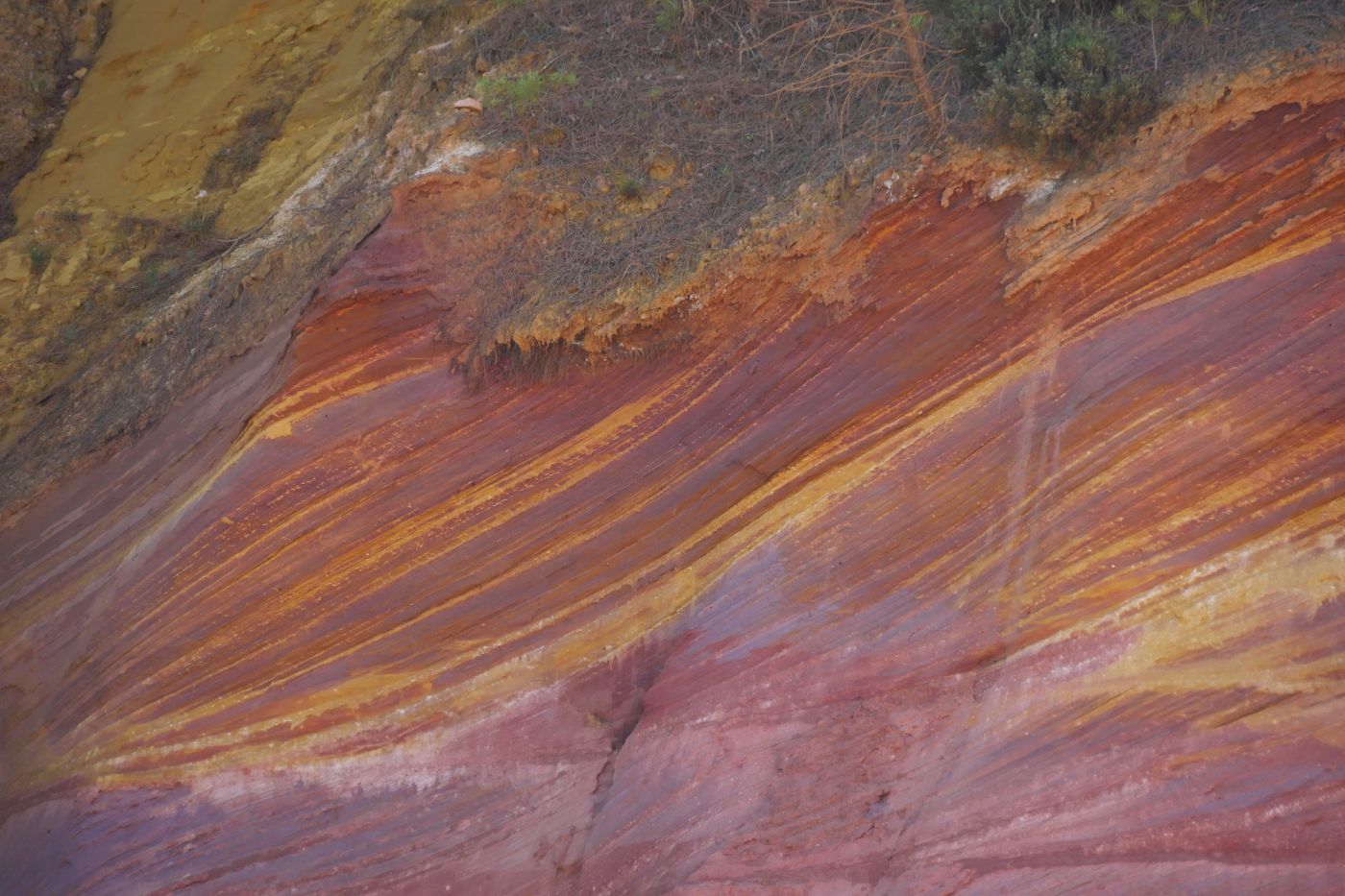
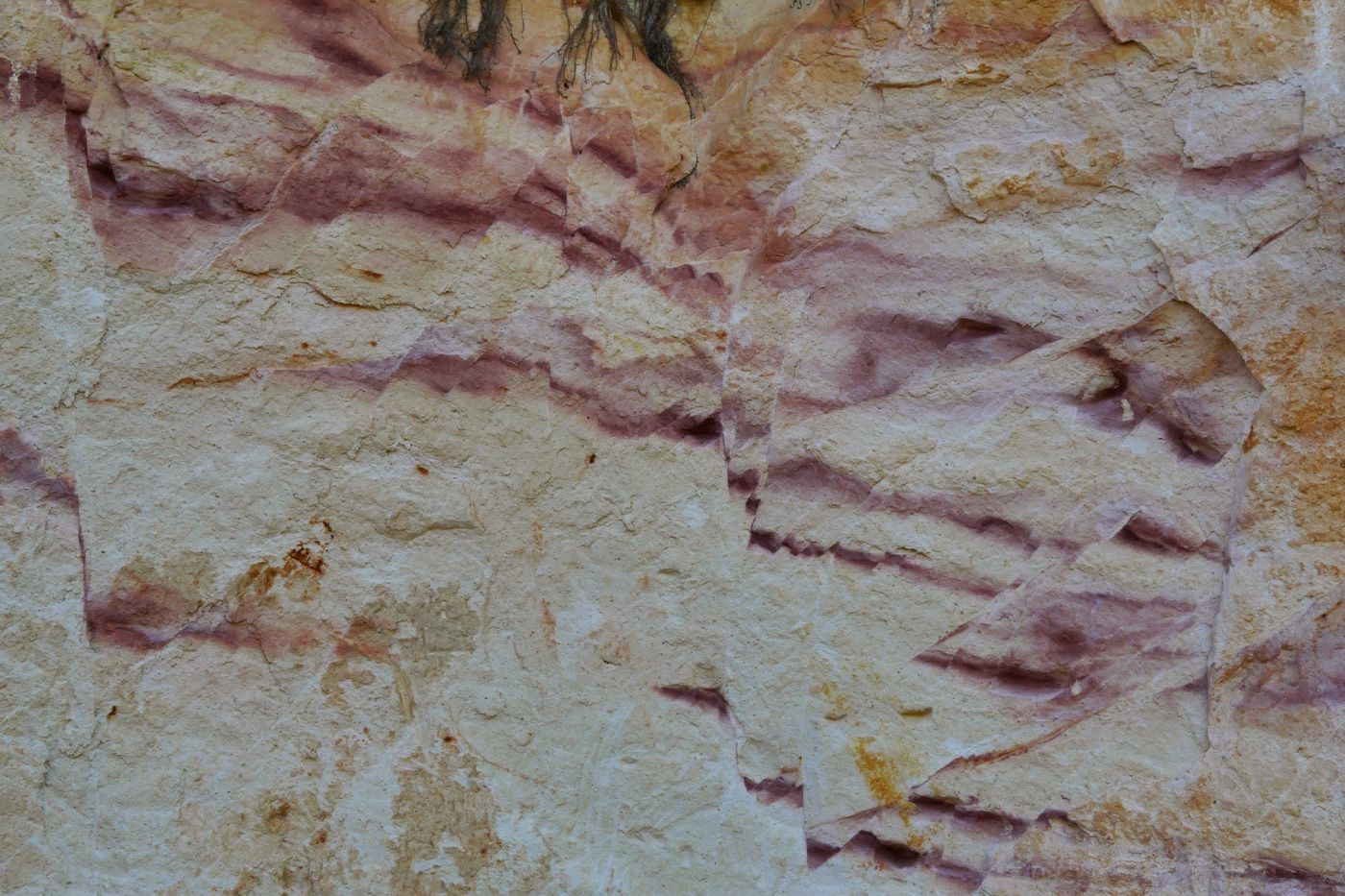
Roussillon ochre is a natural earthy material composed of quartz sand, clay minerals, iron hydroxides, and iron oxides, the latter giving it its characteristic colors. These clay-rich rocks display a remarkable range of hues, including gray, yellow, ochre, red, and brown.
Ochre pigments have been used since prehistoric times, as evidenced by cave paintings. The Romans also extracted ochre in the Roussillon area. Industrial exploitation began in the eighteenth century, following the discovery of a process that separated the pigment from the sand by washing it with water and allowing it to settle in decantation basins.
Ochre production reached its peak during the early twentieth century, when the region was home to around 60 quarries and 20 processing plants. It is estimated that about 1,000 workers were employed in the industry, with an annual production of approximately 40,000 tonnes of pigment. After the 1940s, however, the development of inexpensive synthetic pigments that could be manufactured on an industrial scale led to the decline of the ochre industry. Most of the quarries and processing plants were closed during the 1950s and 1960s.
Today, only small quantities of natural ochre are still produced, mainly for the artisanal manufacture of artists’ pigments and paints.
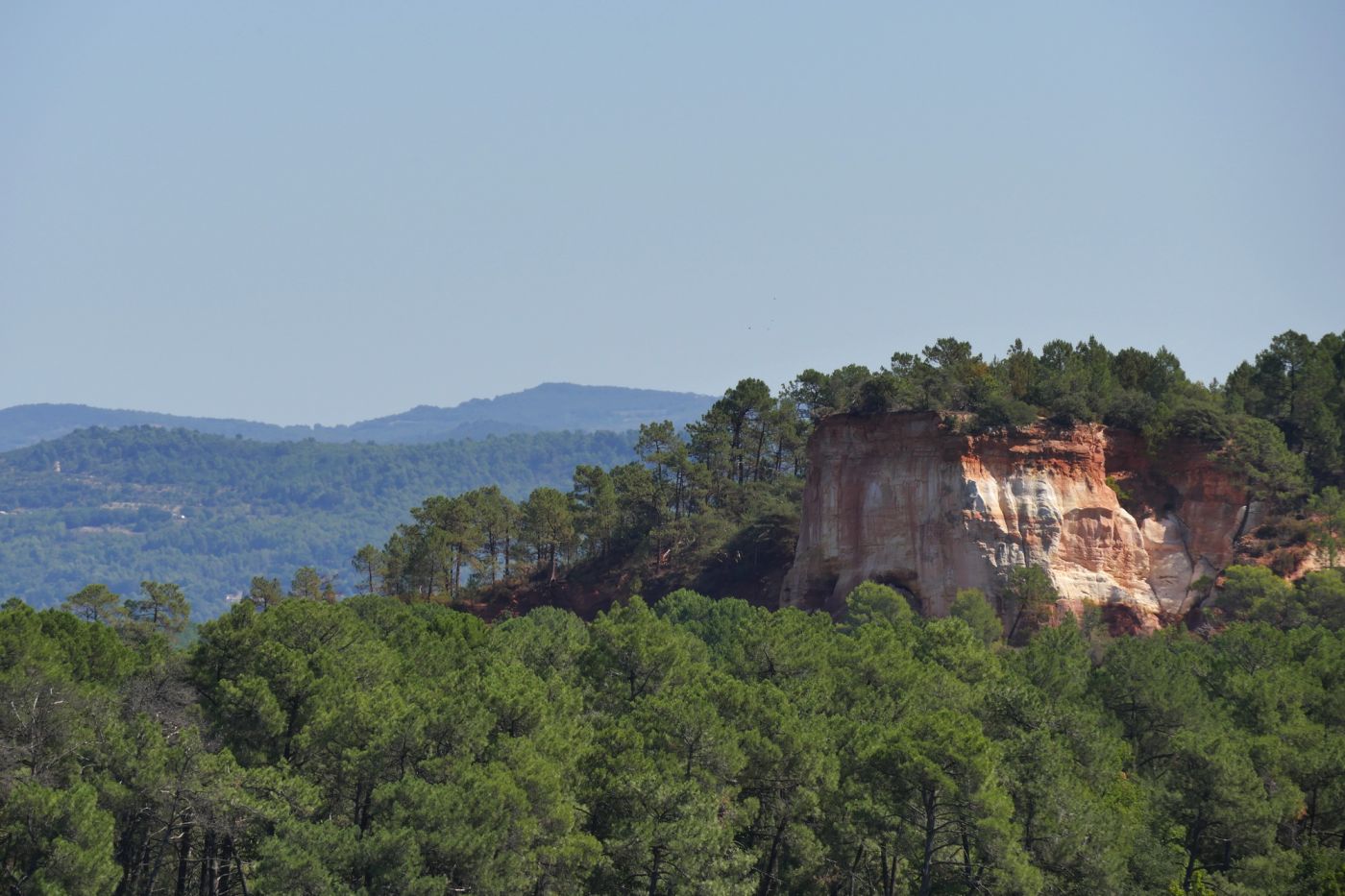
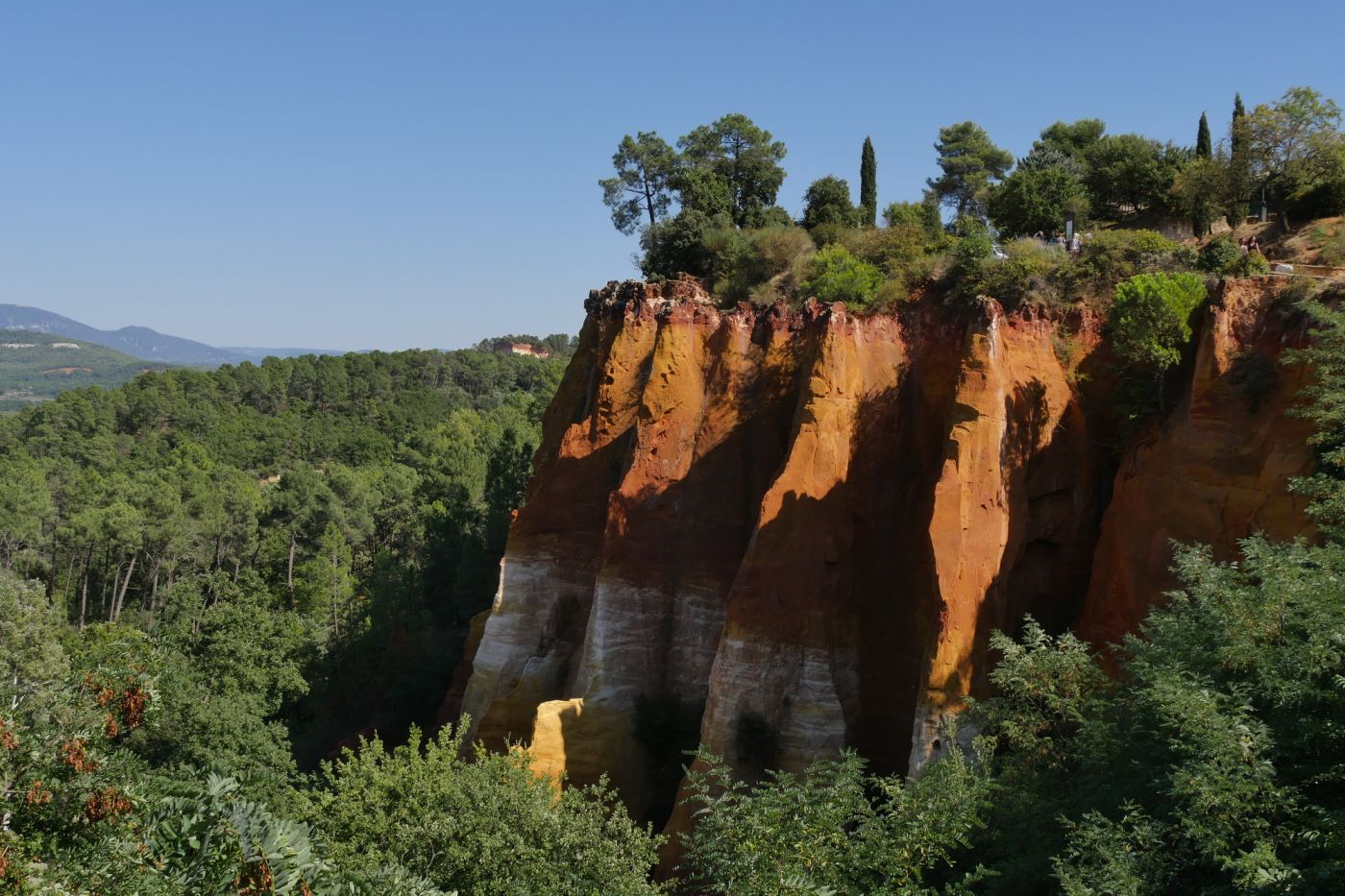
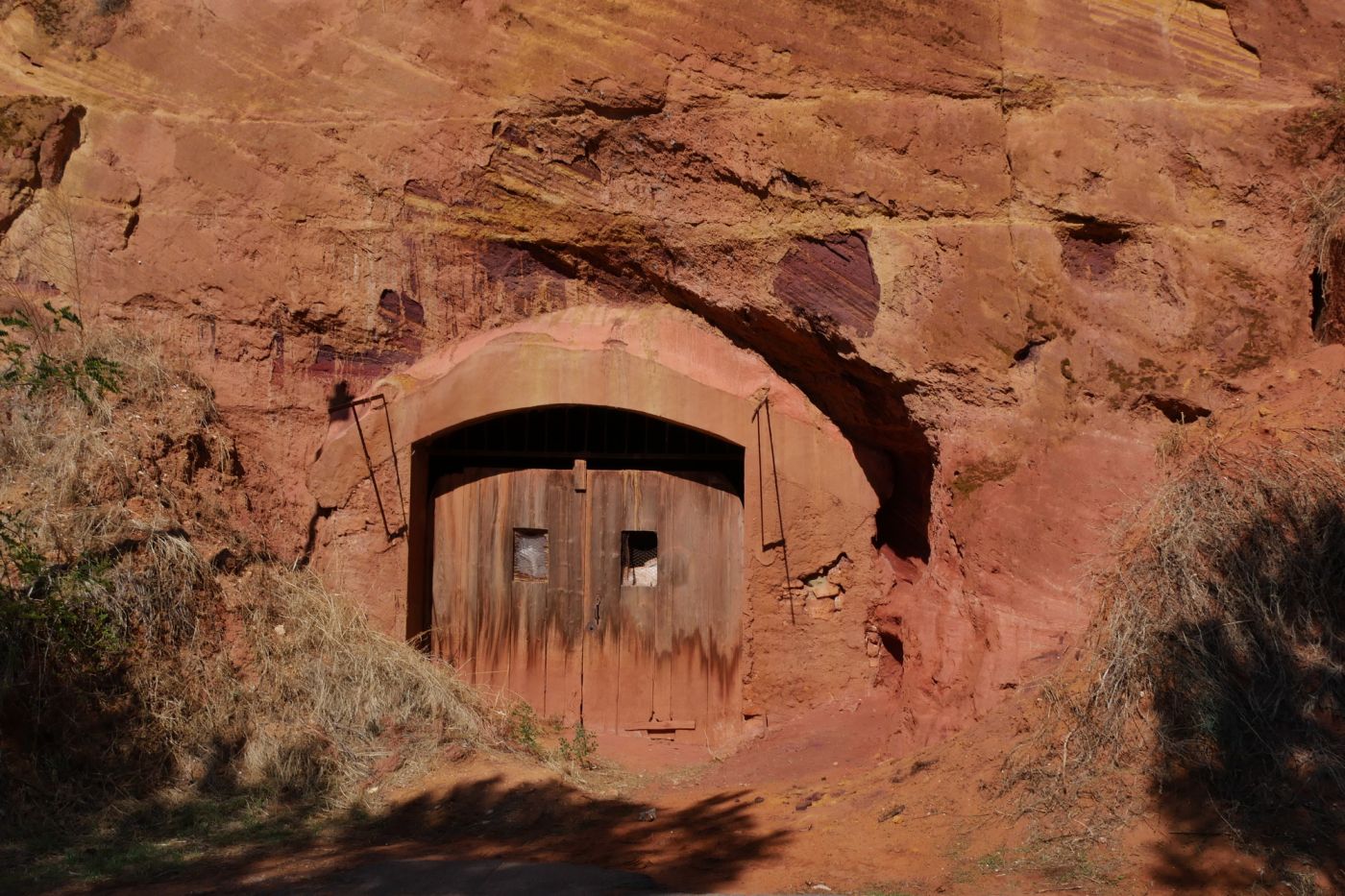
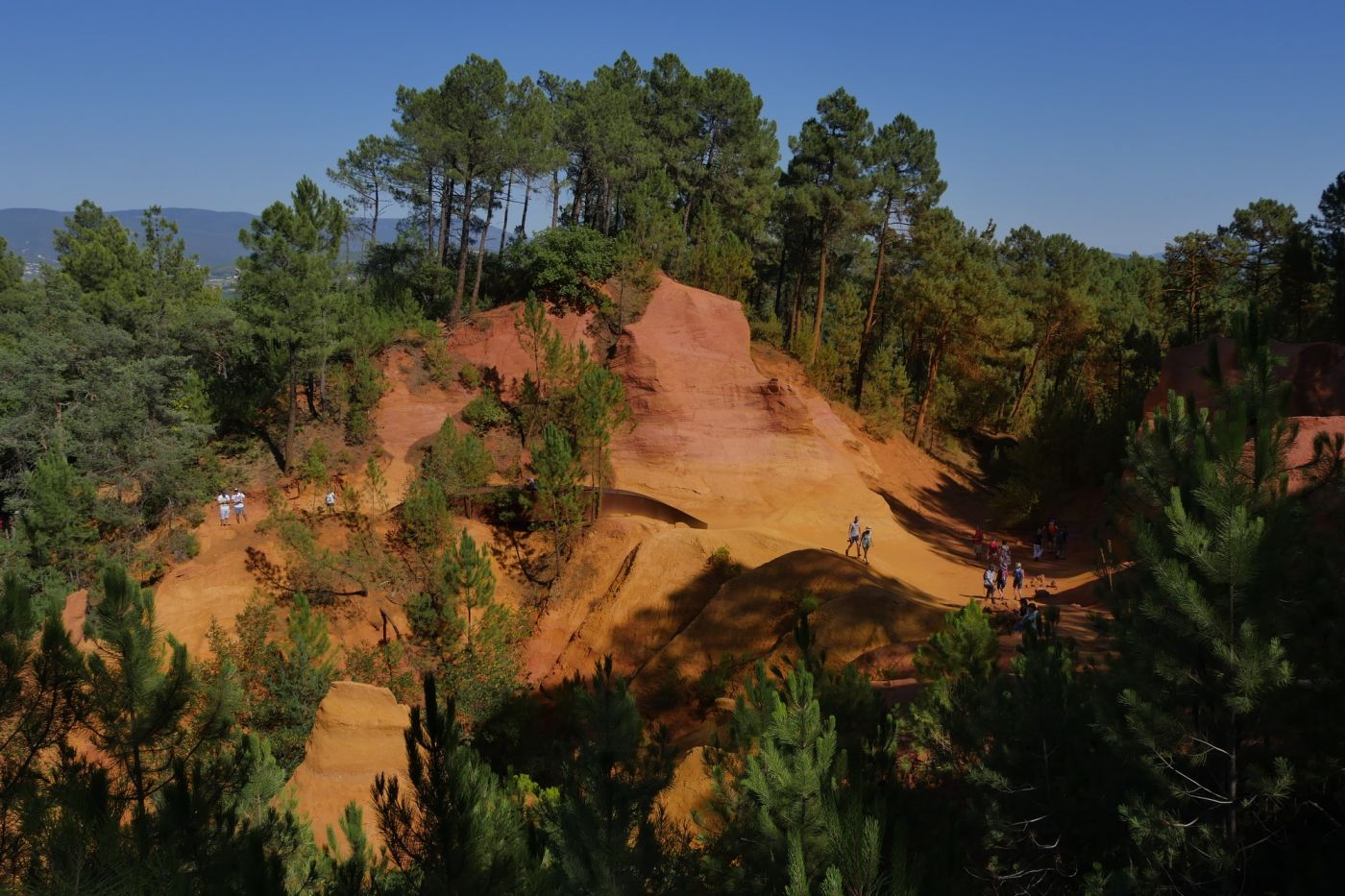
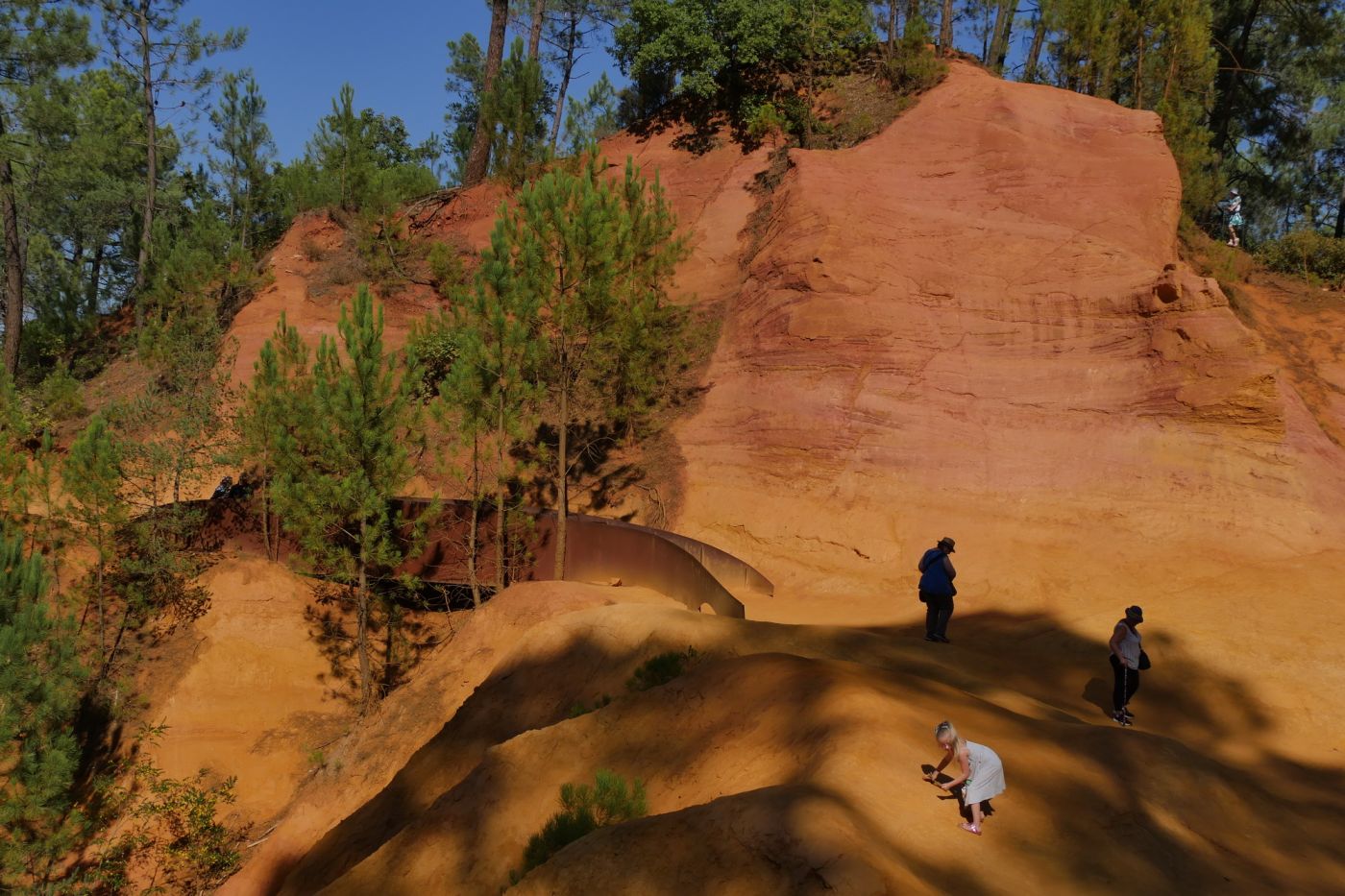
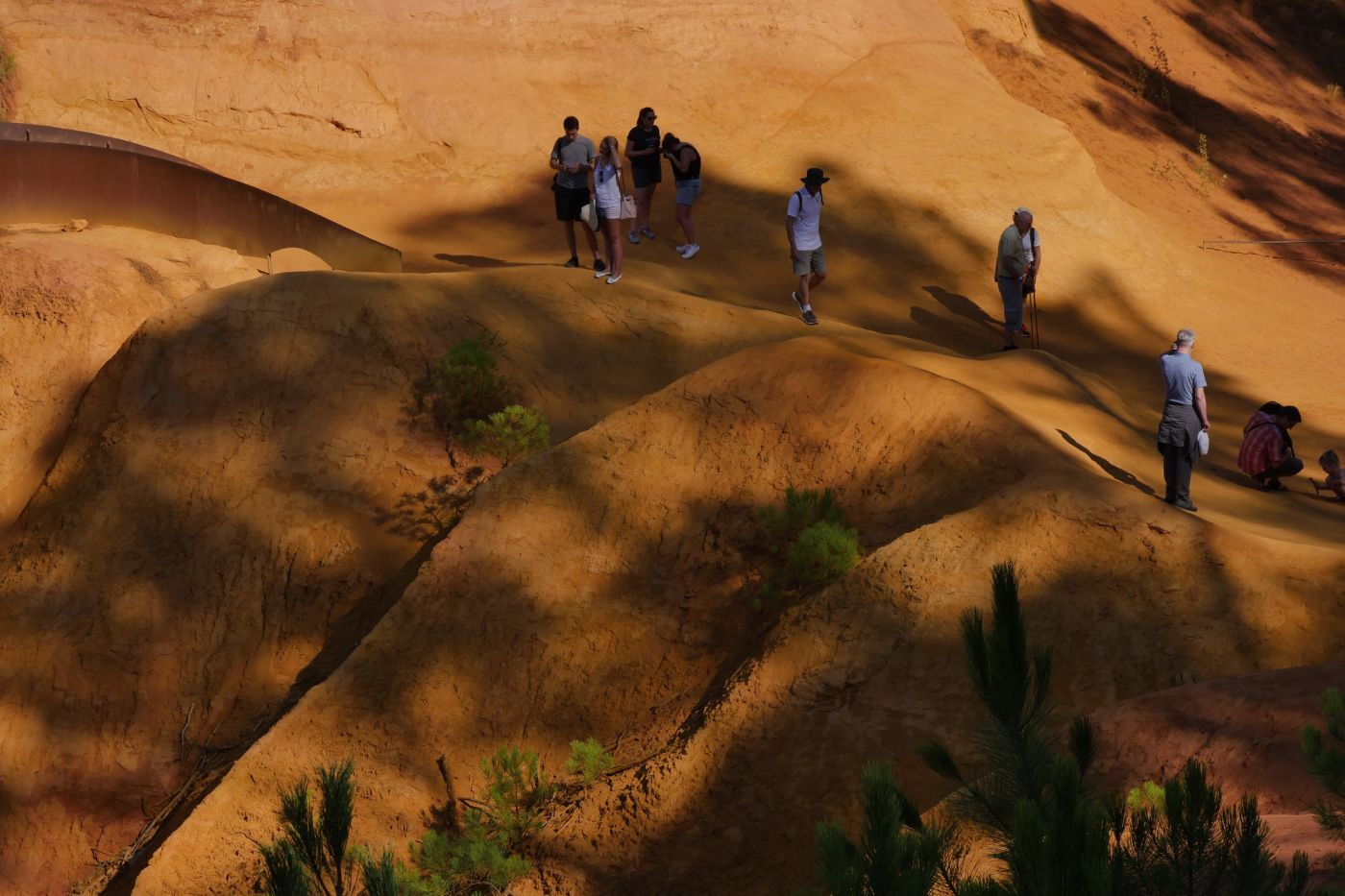
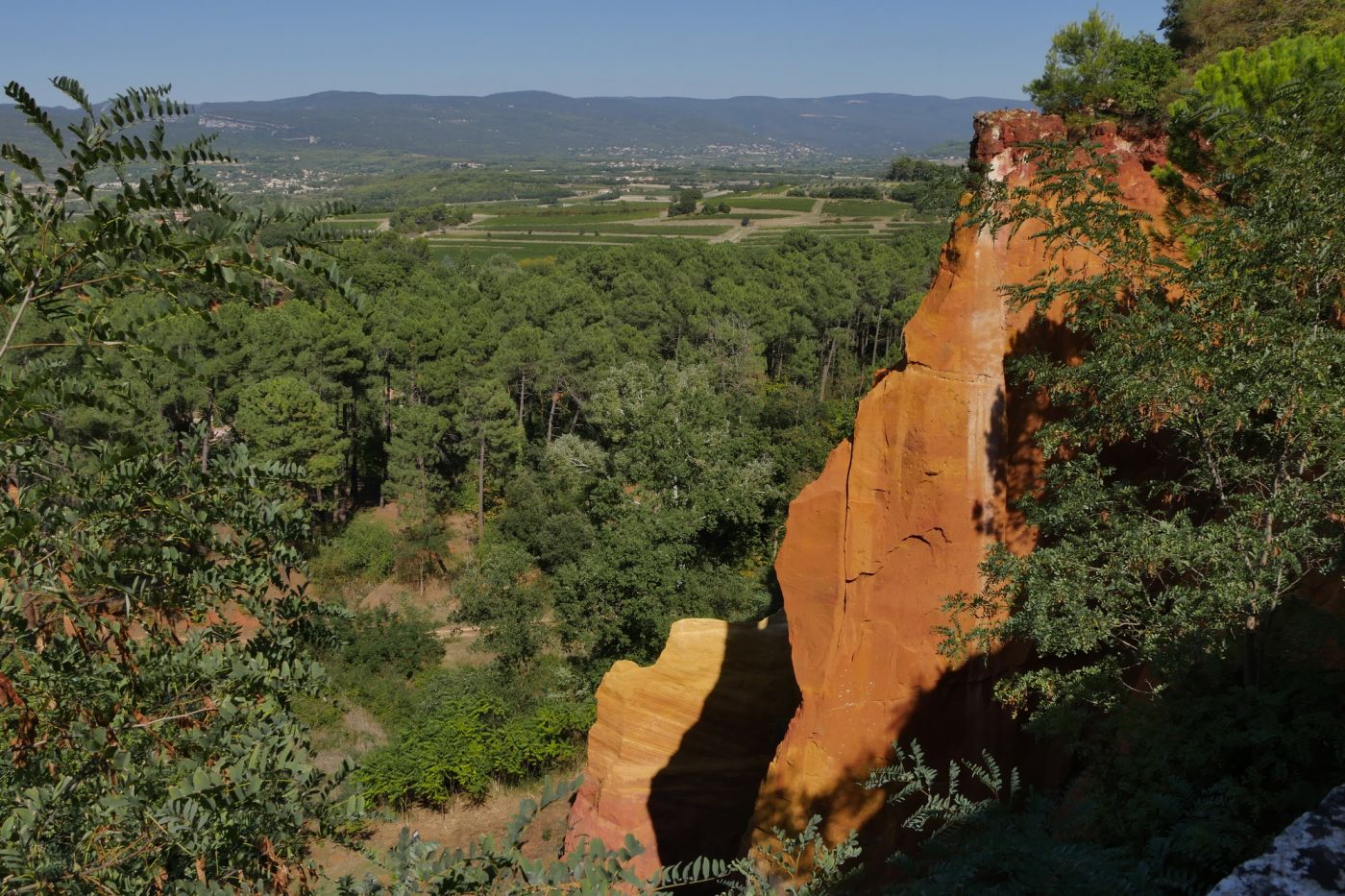
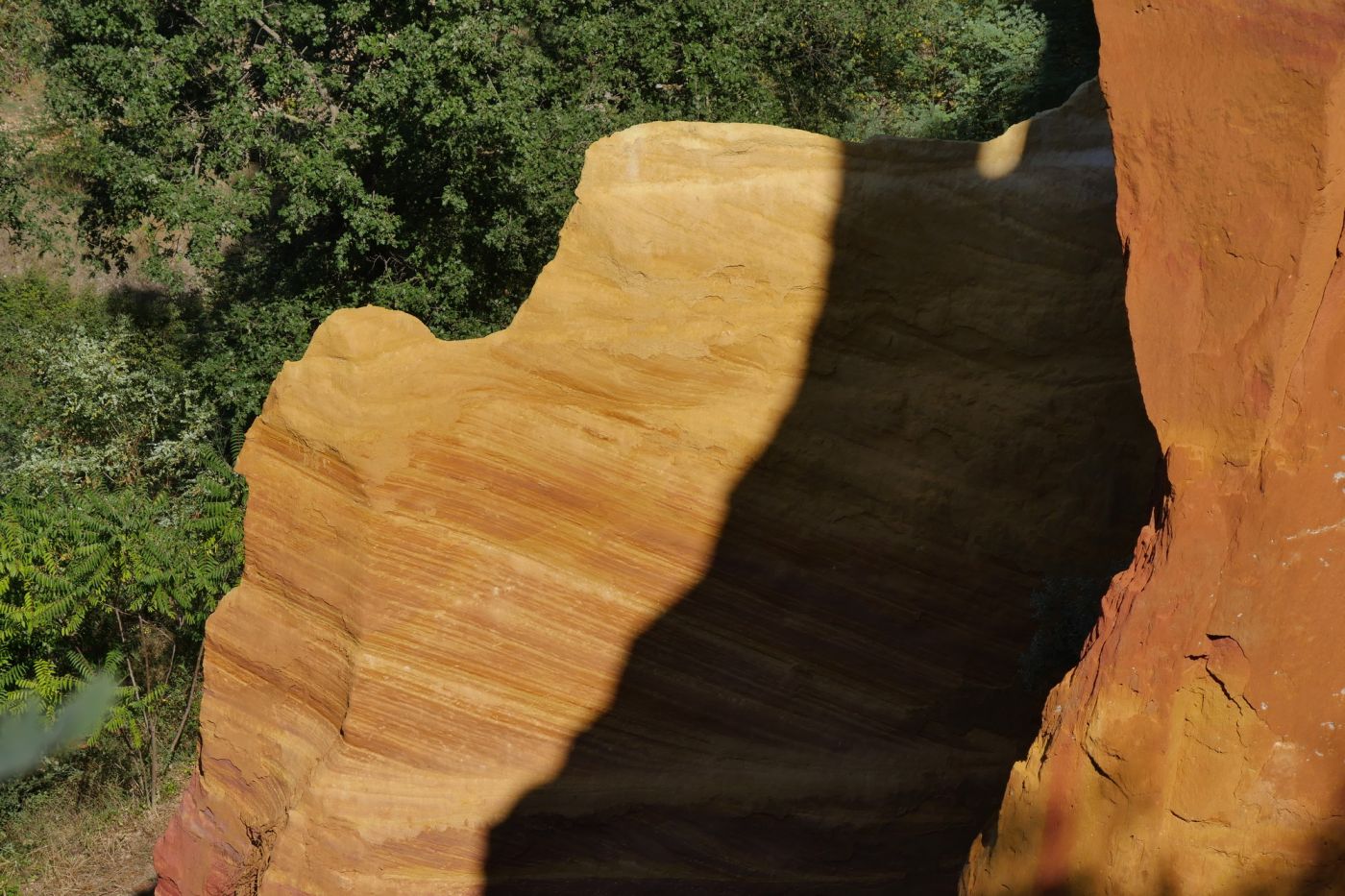
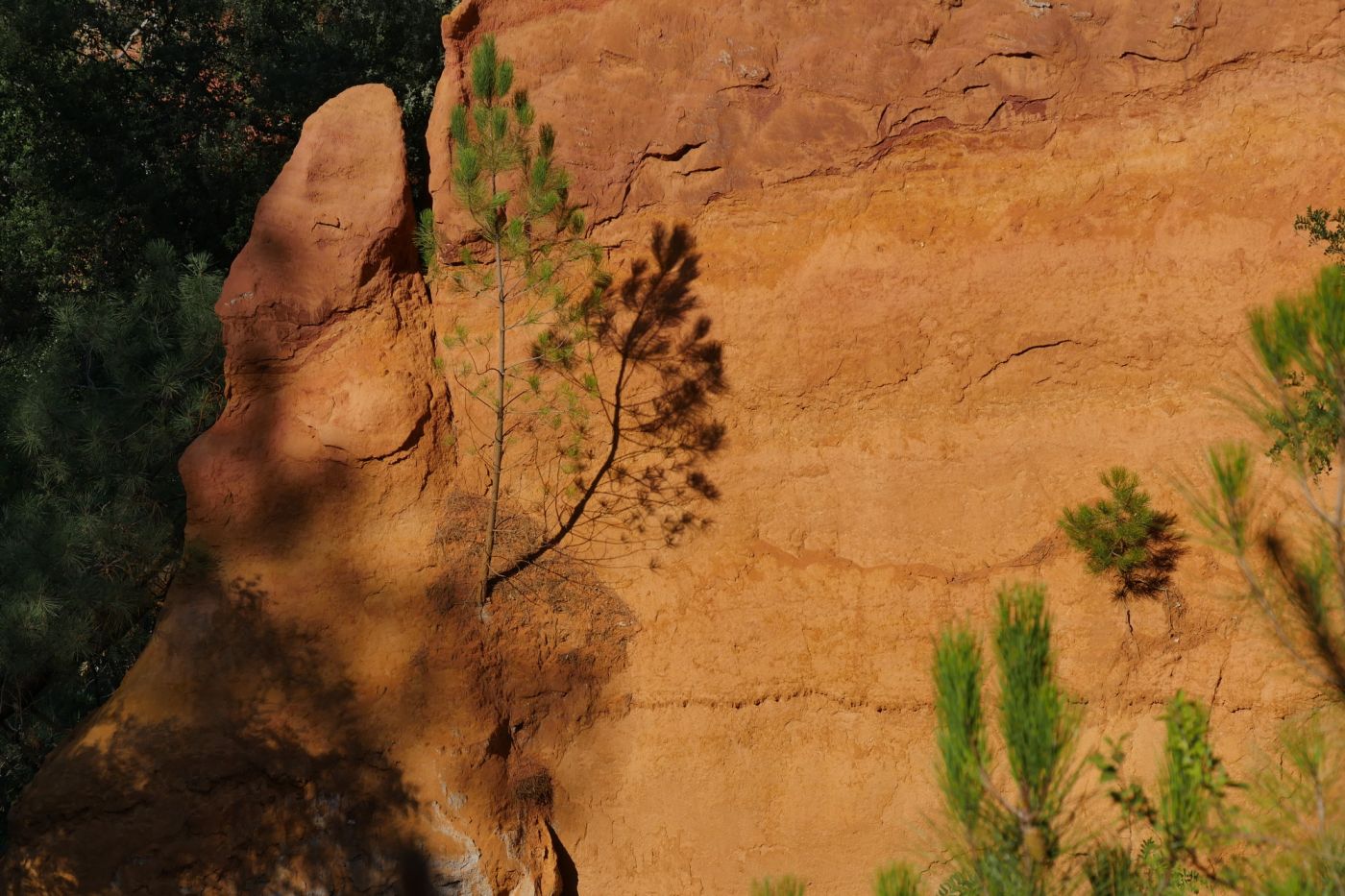
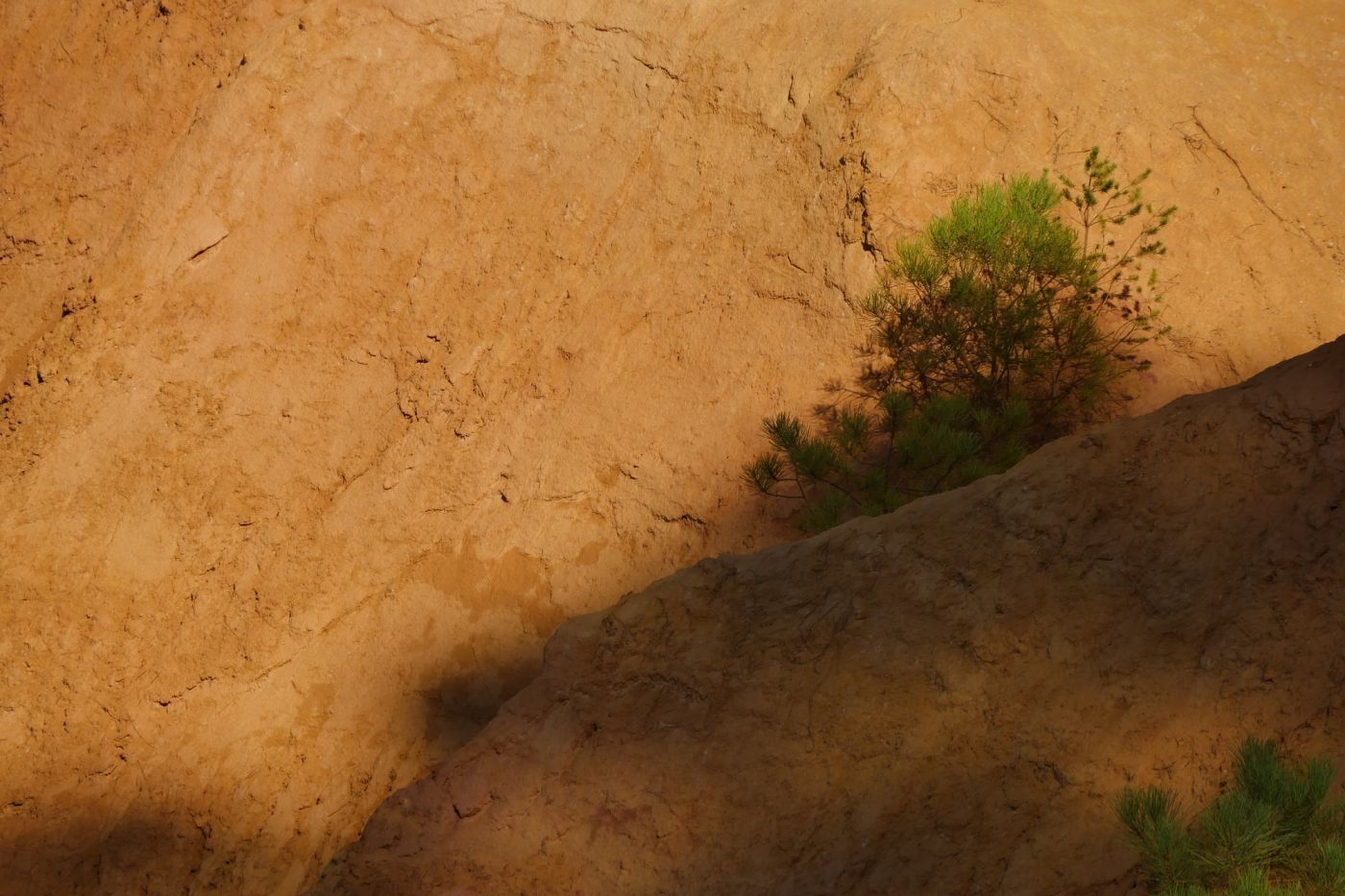
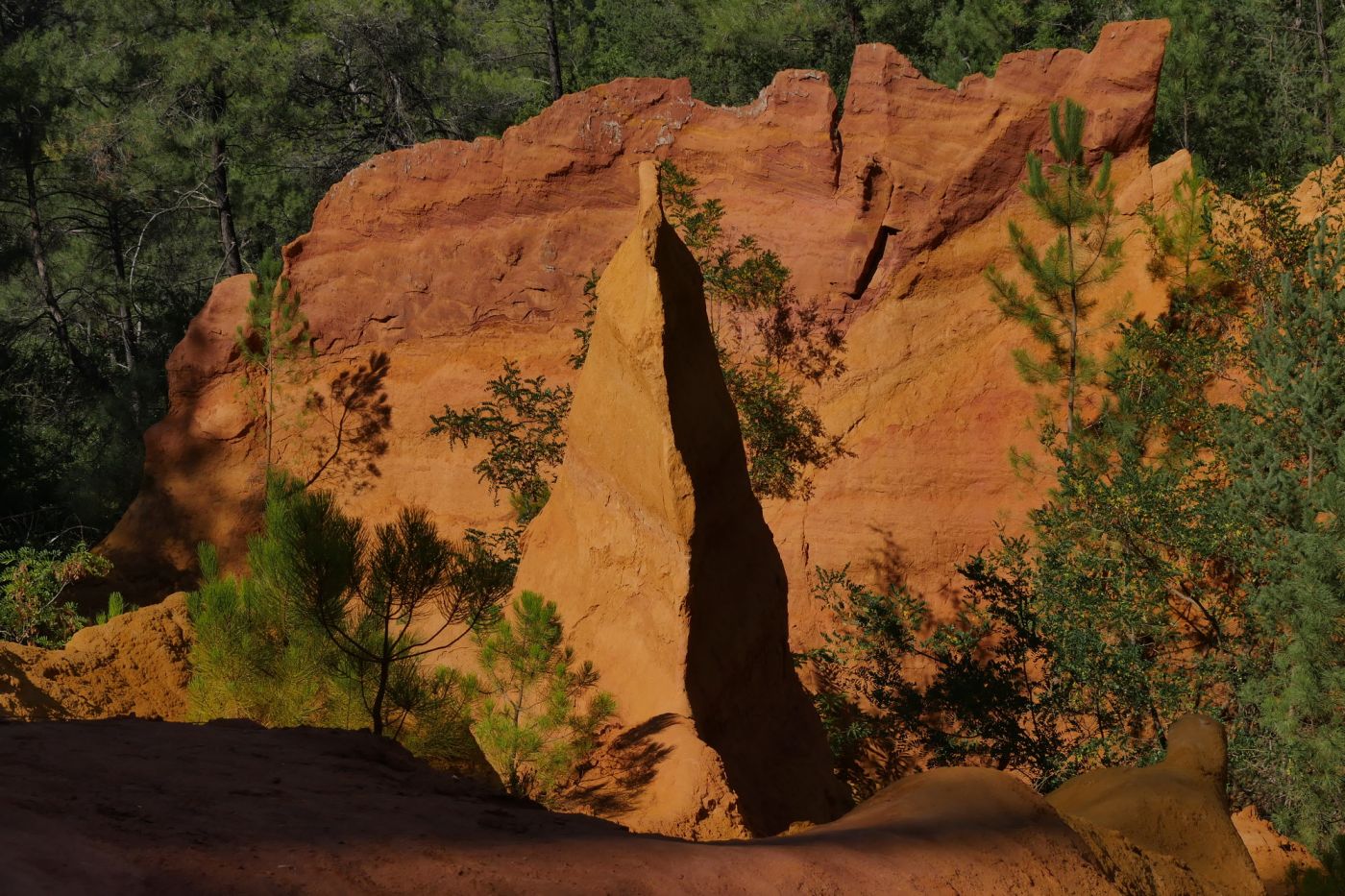
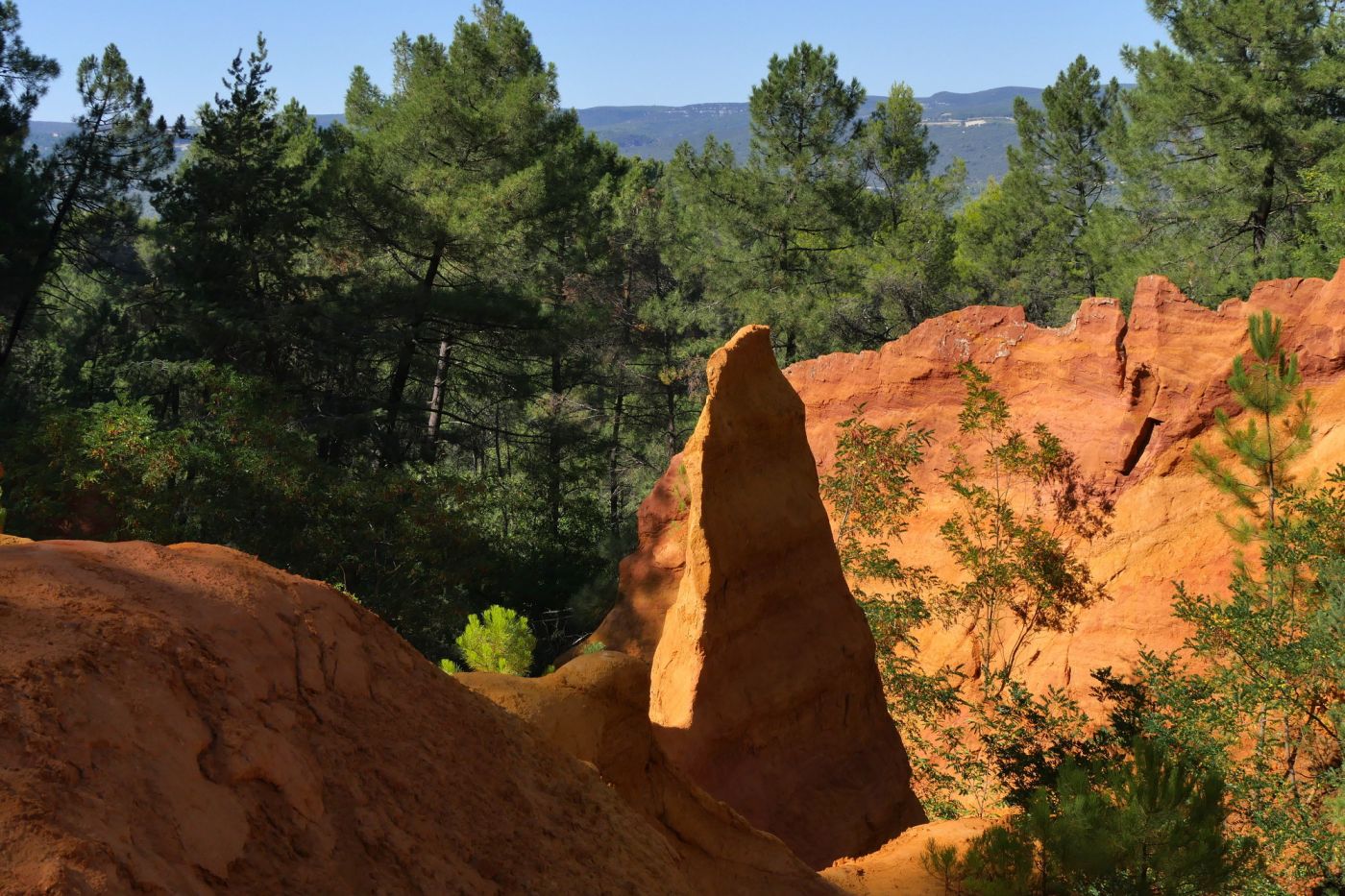
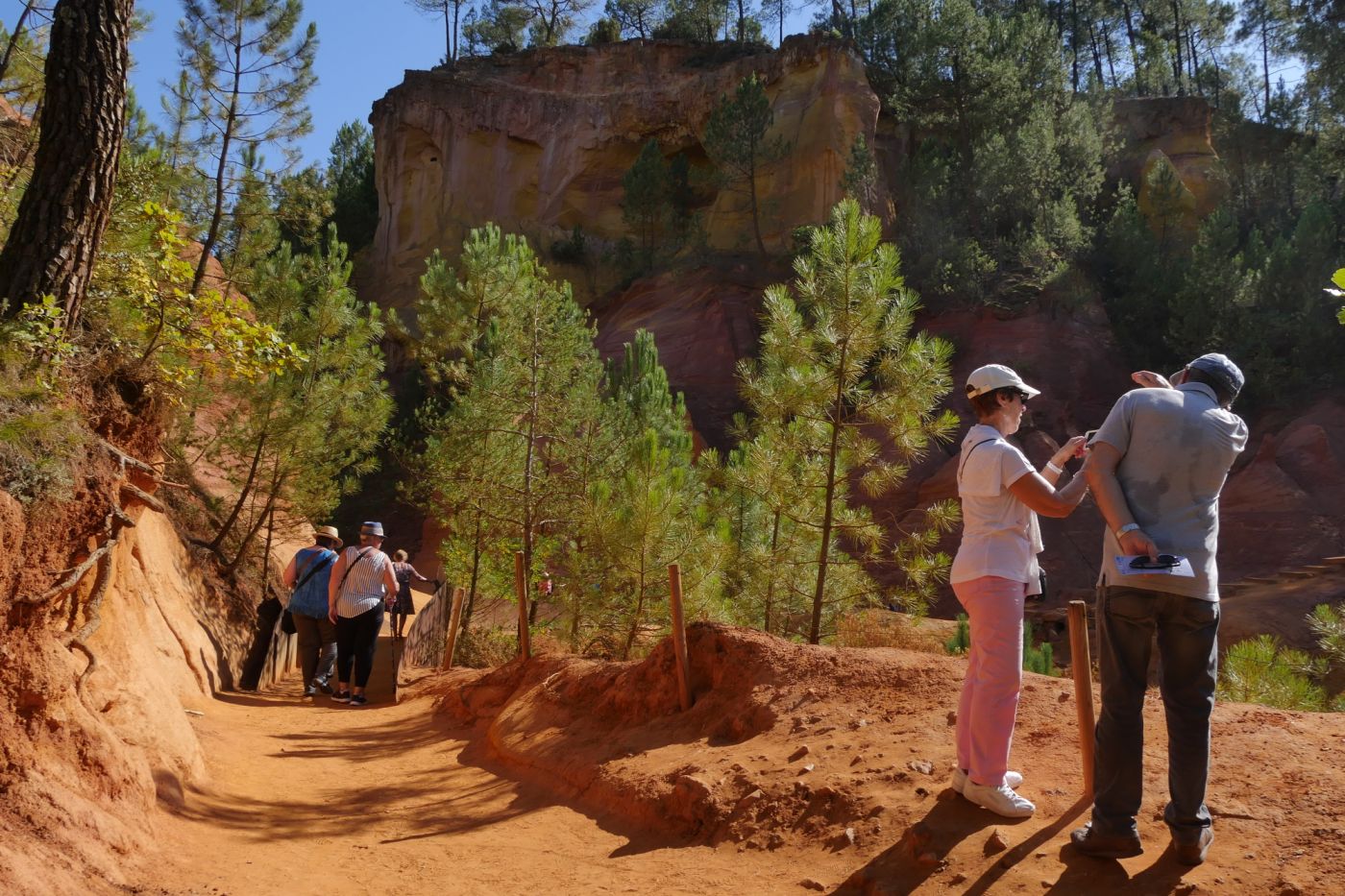
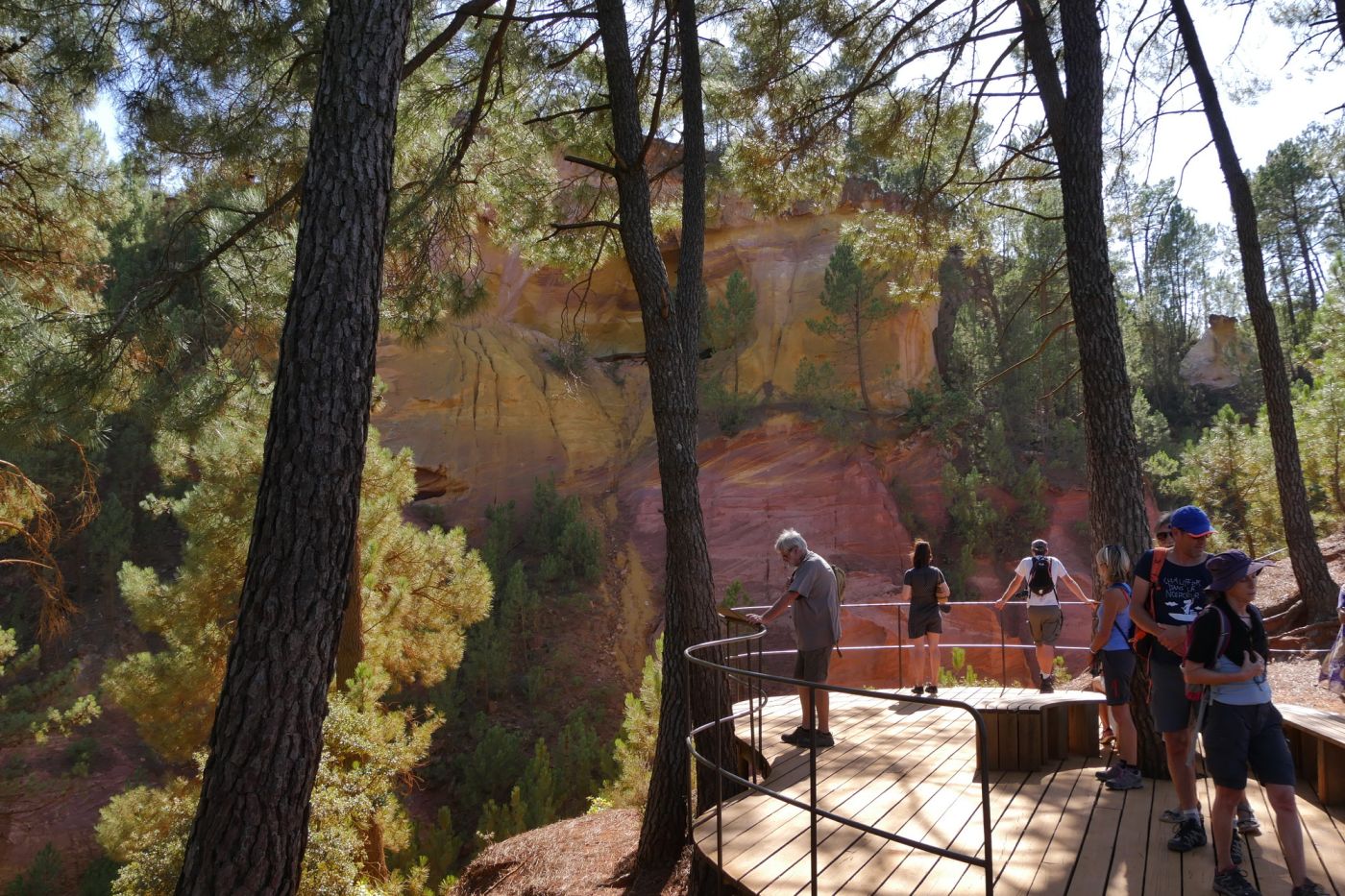
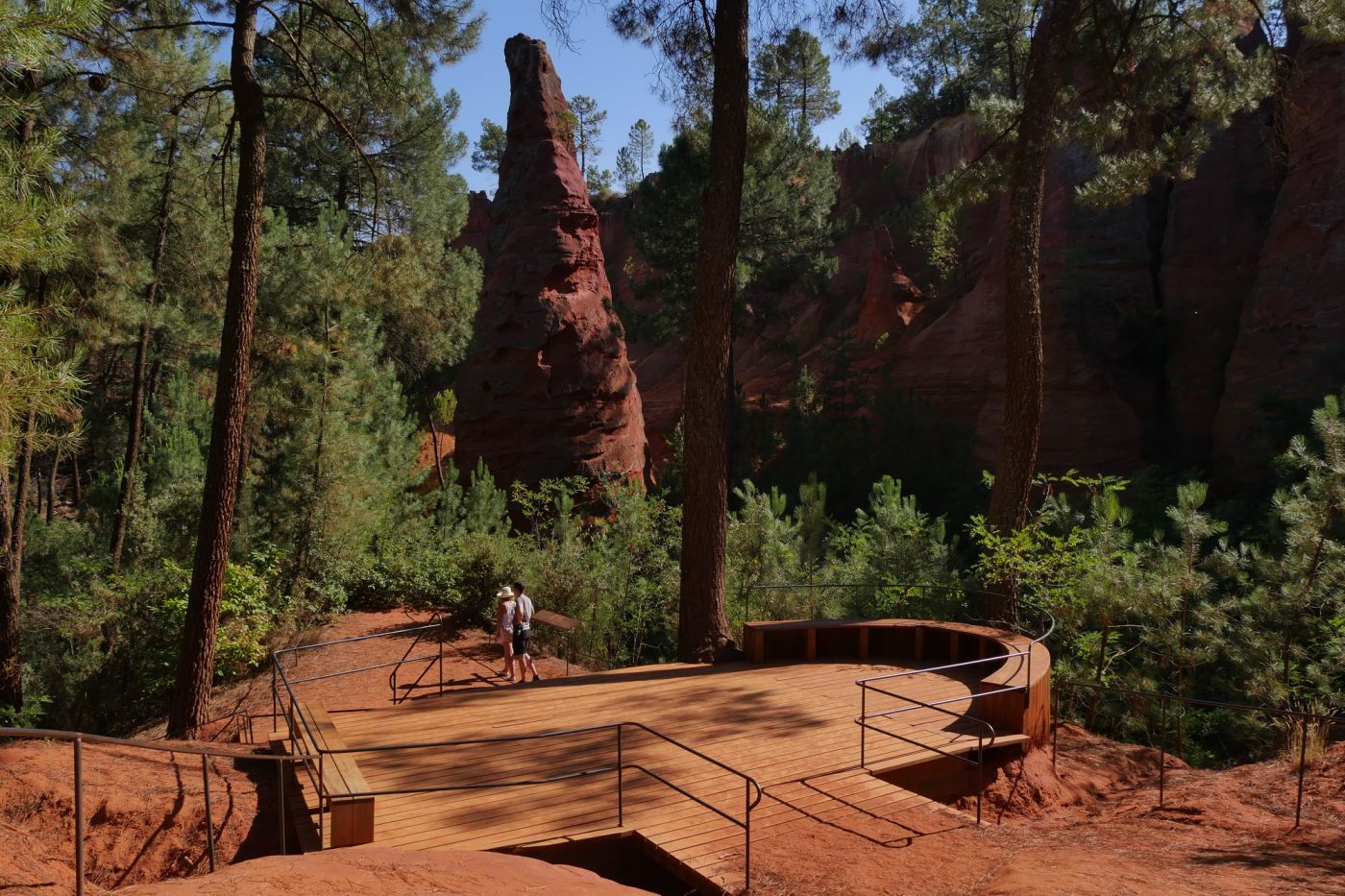
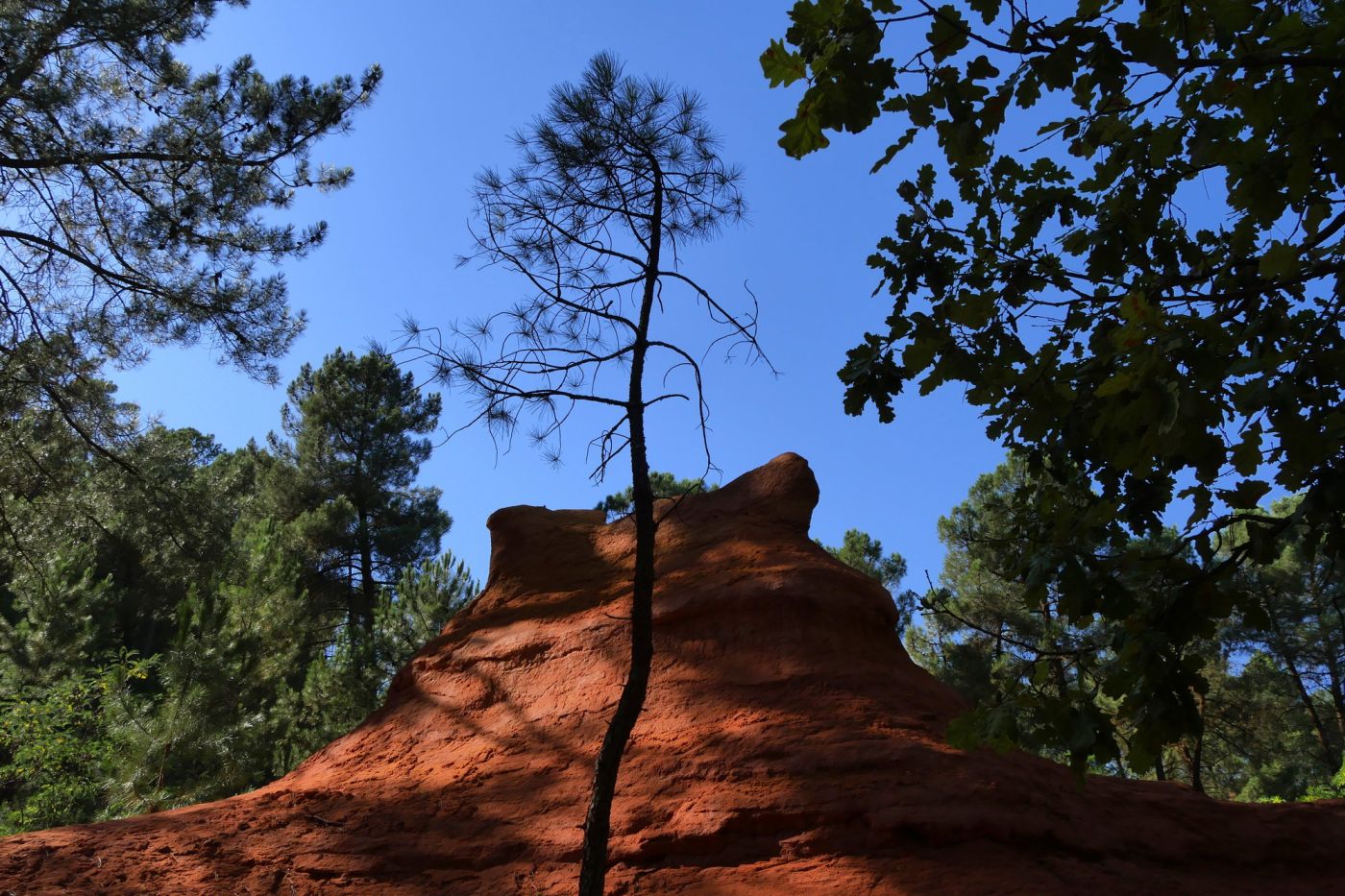
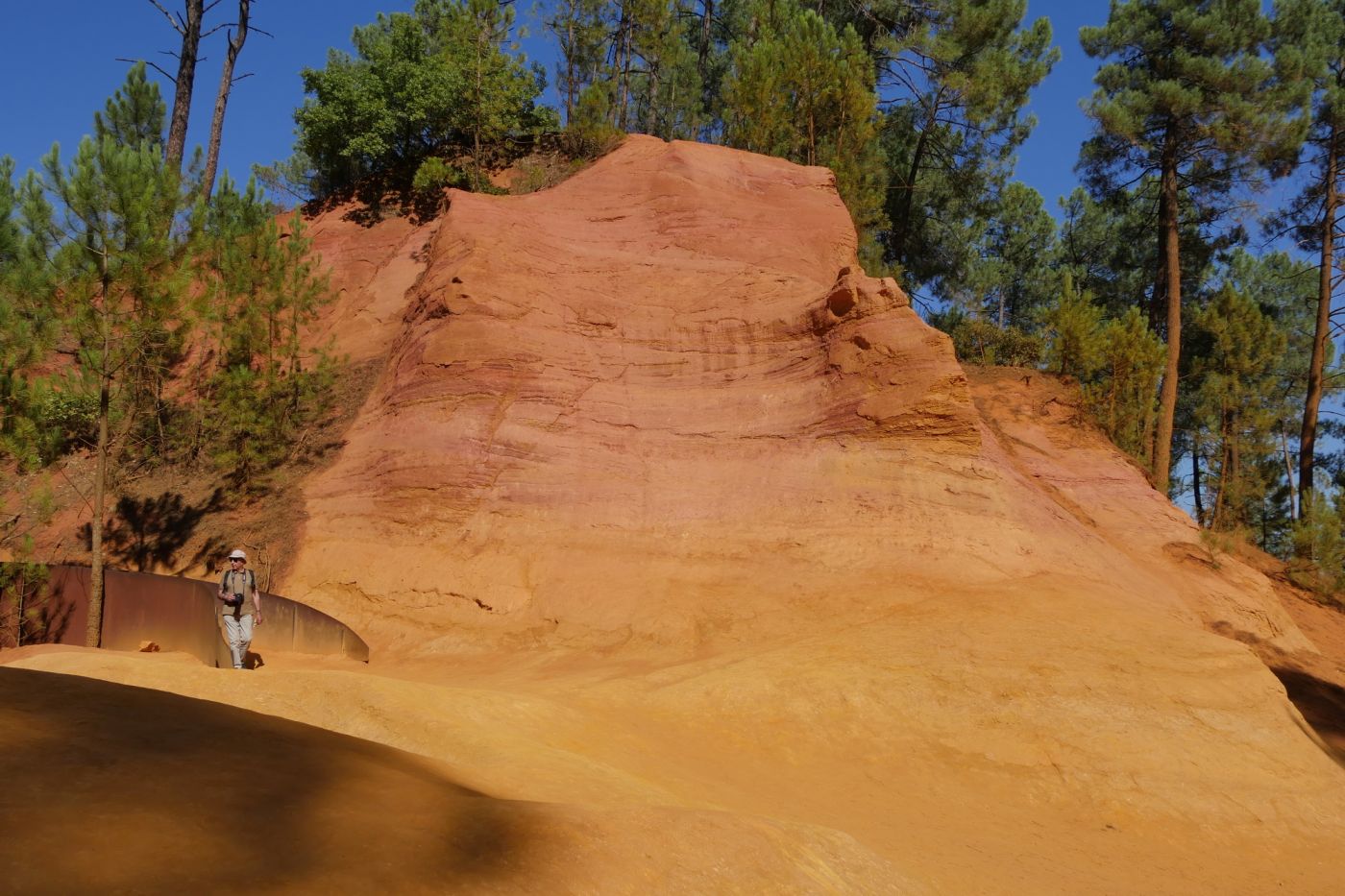
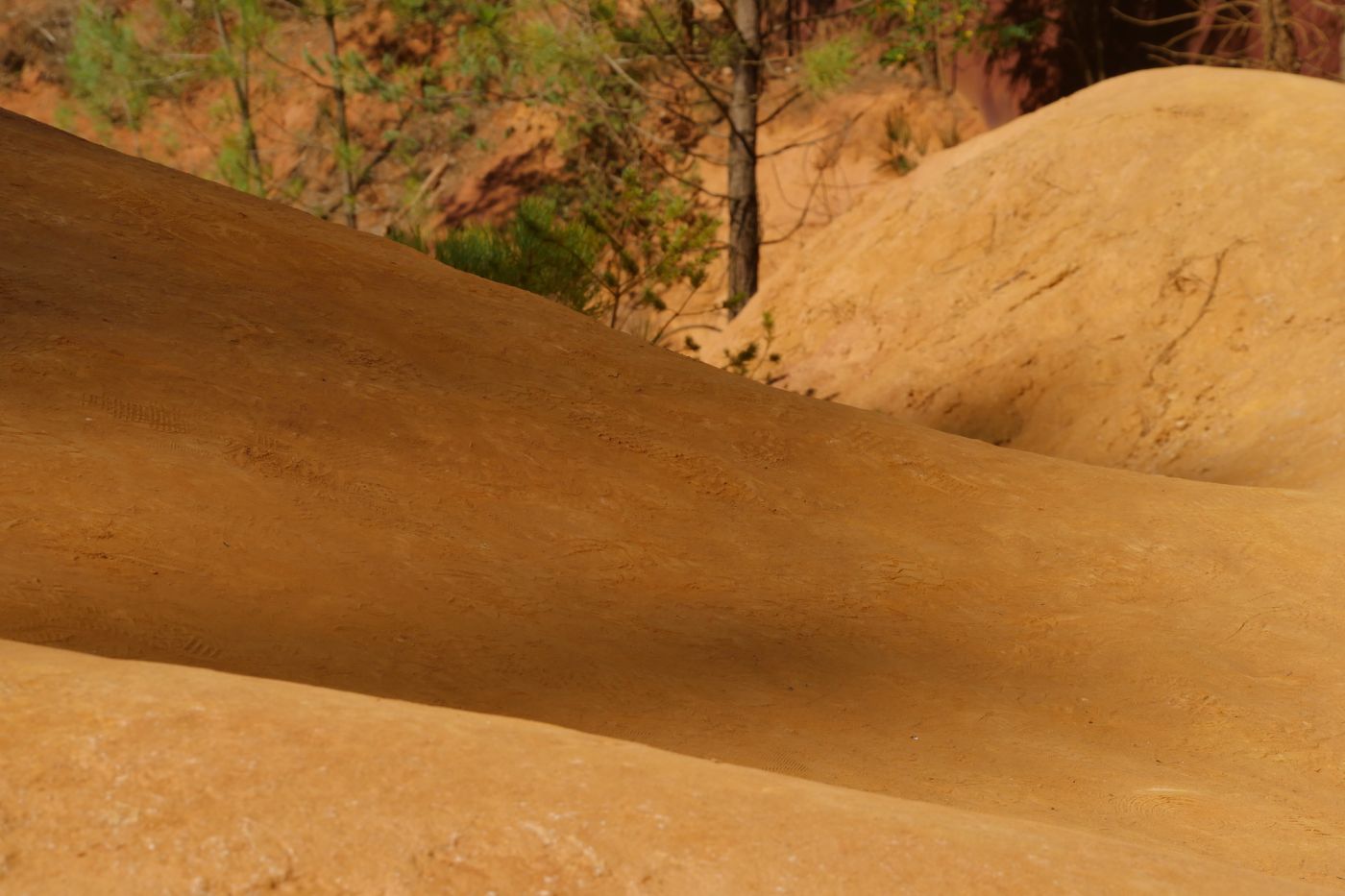
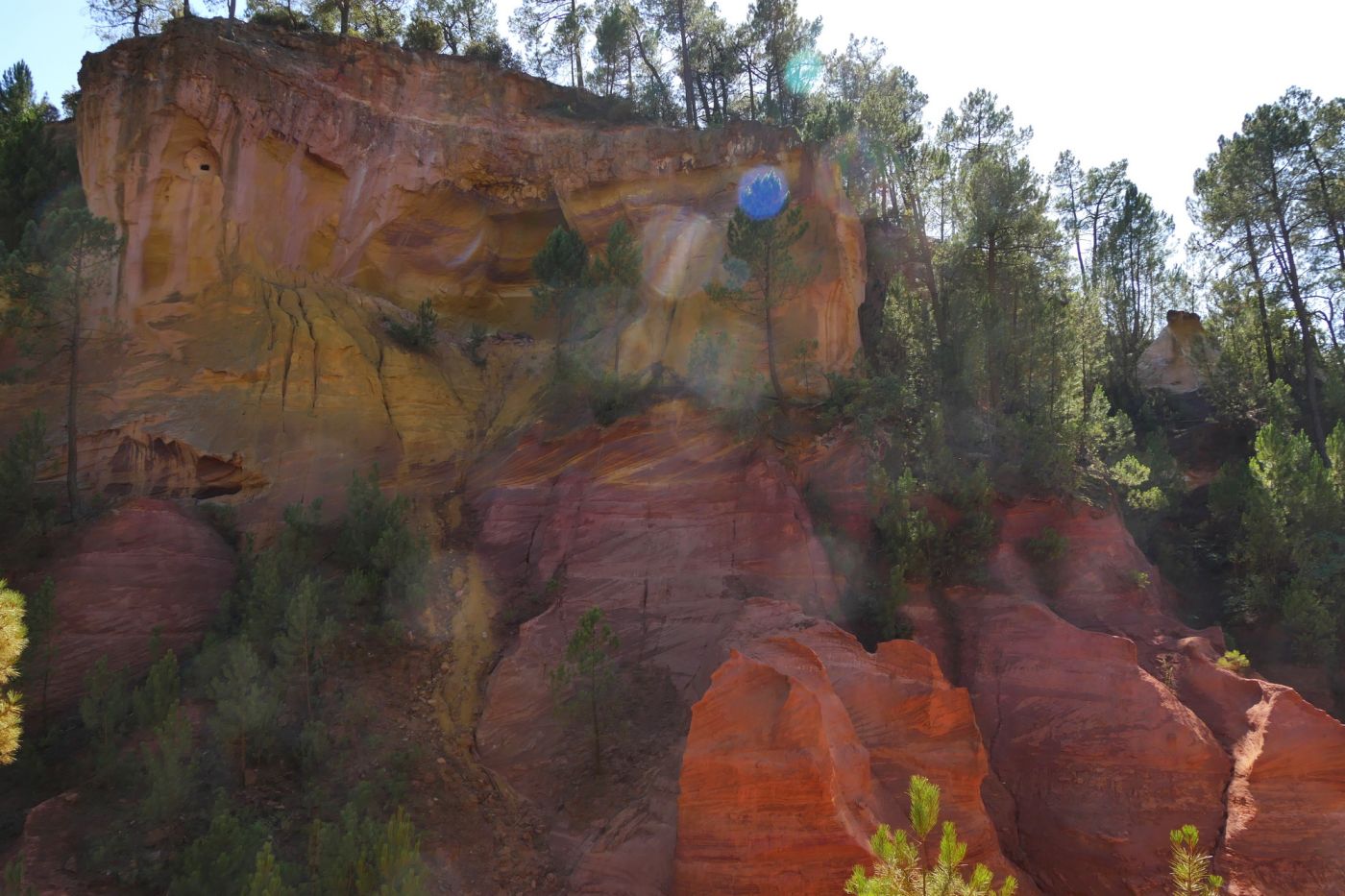
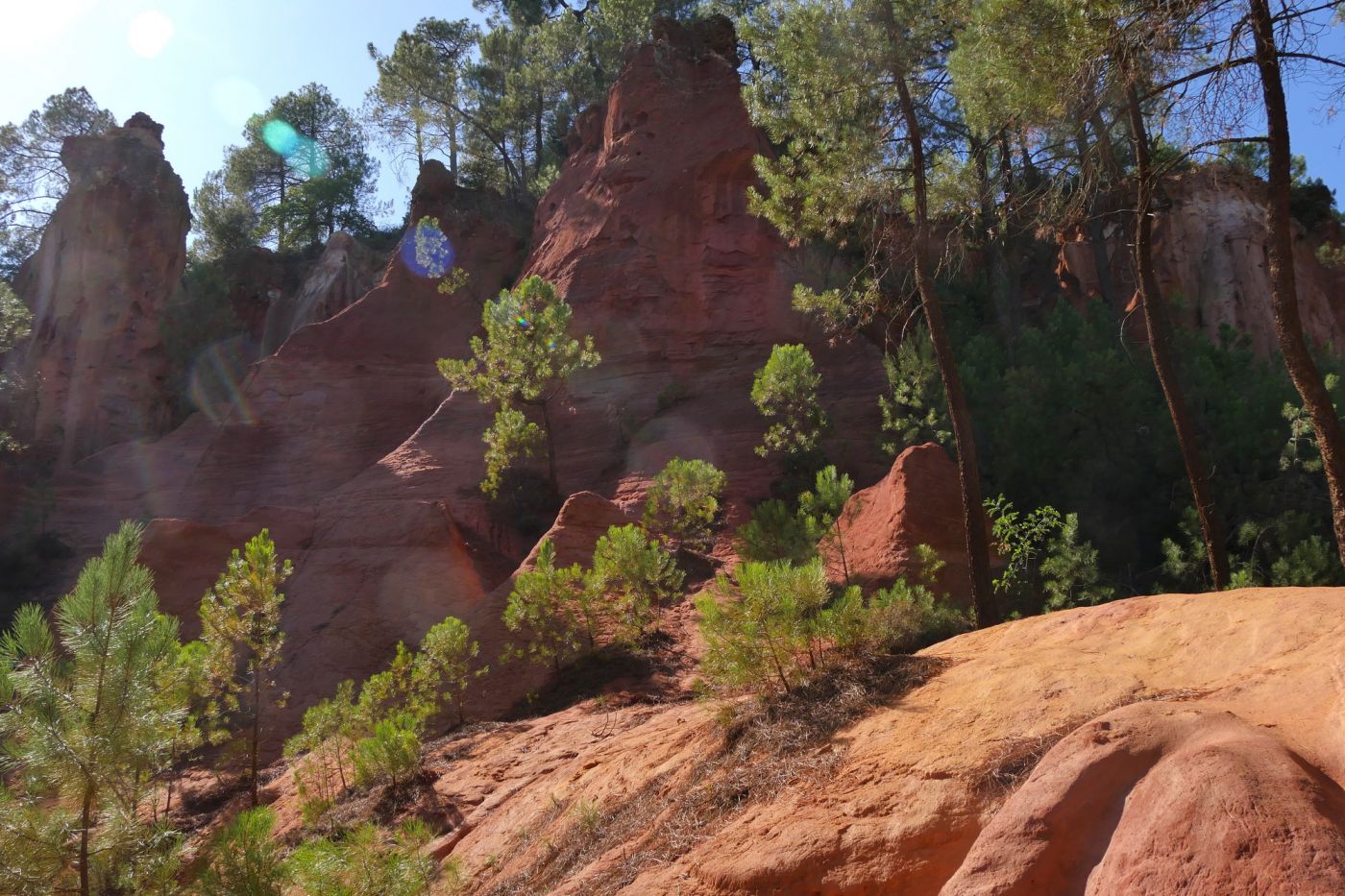
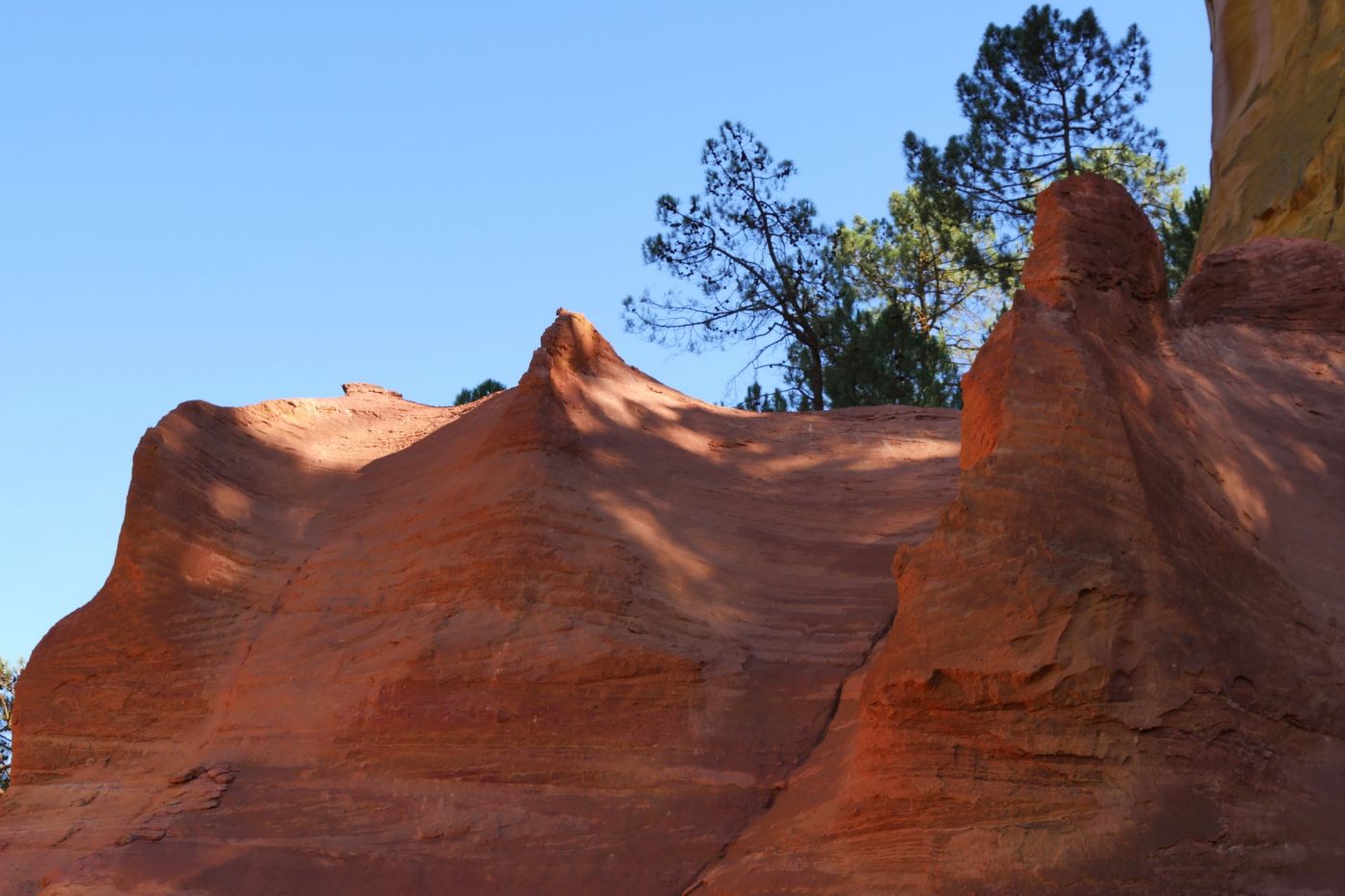
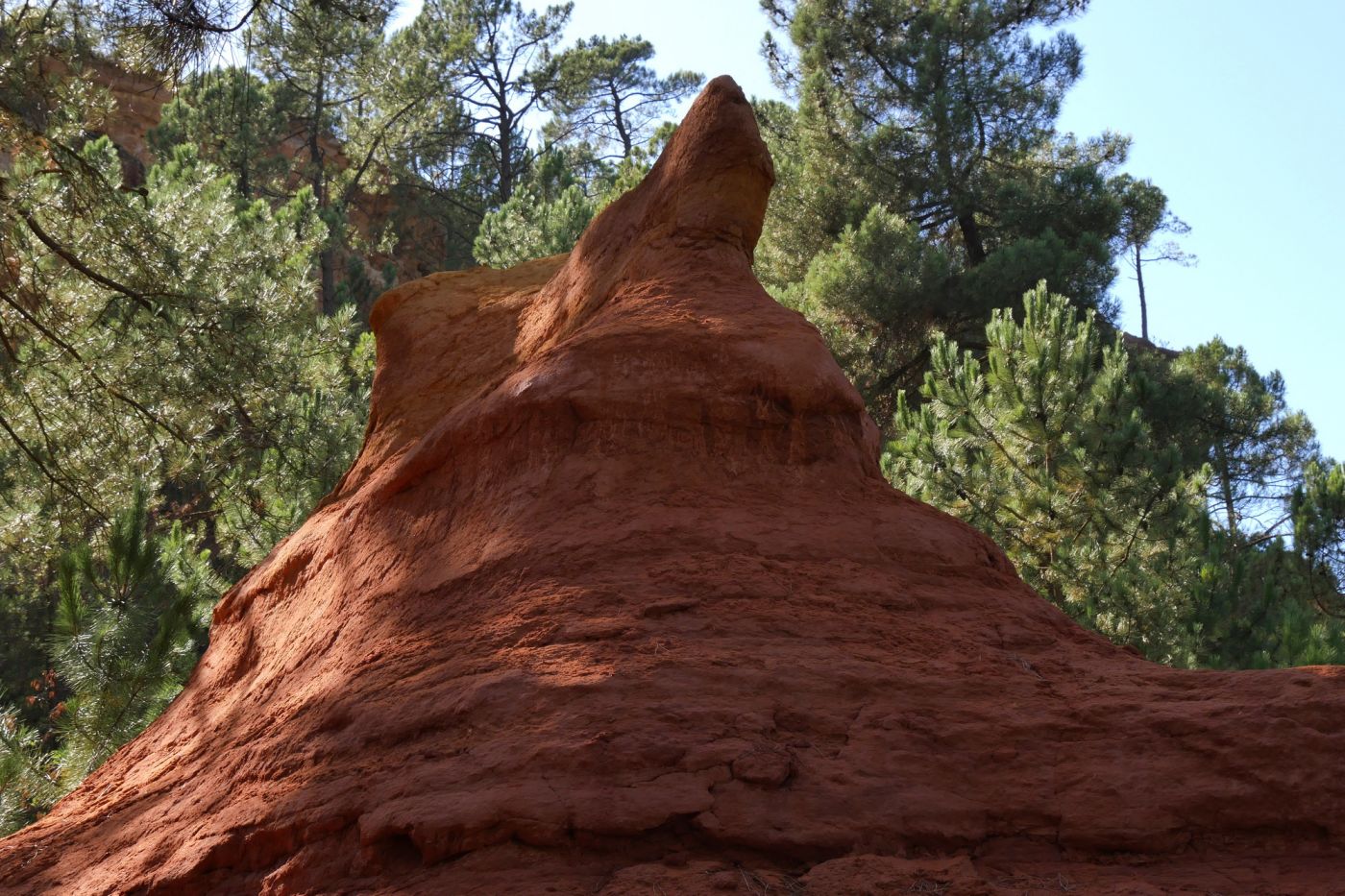
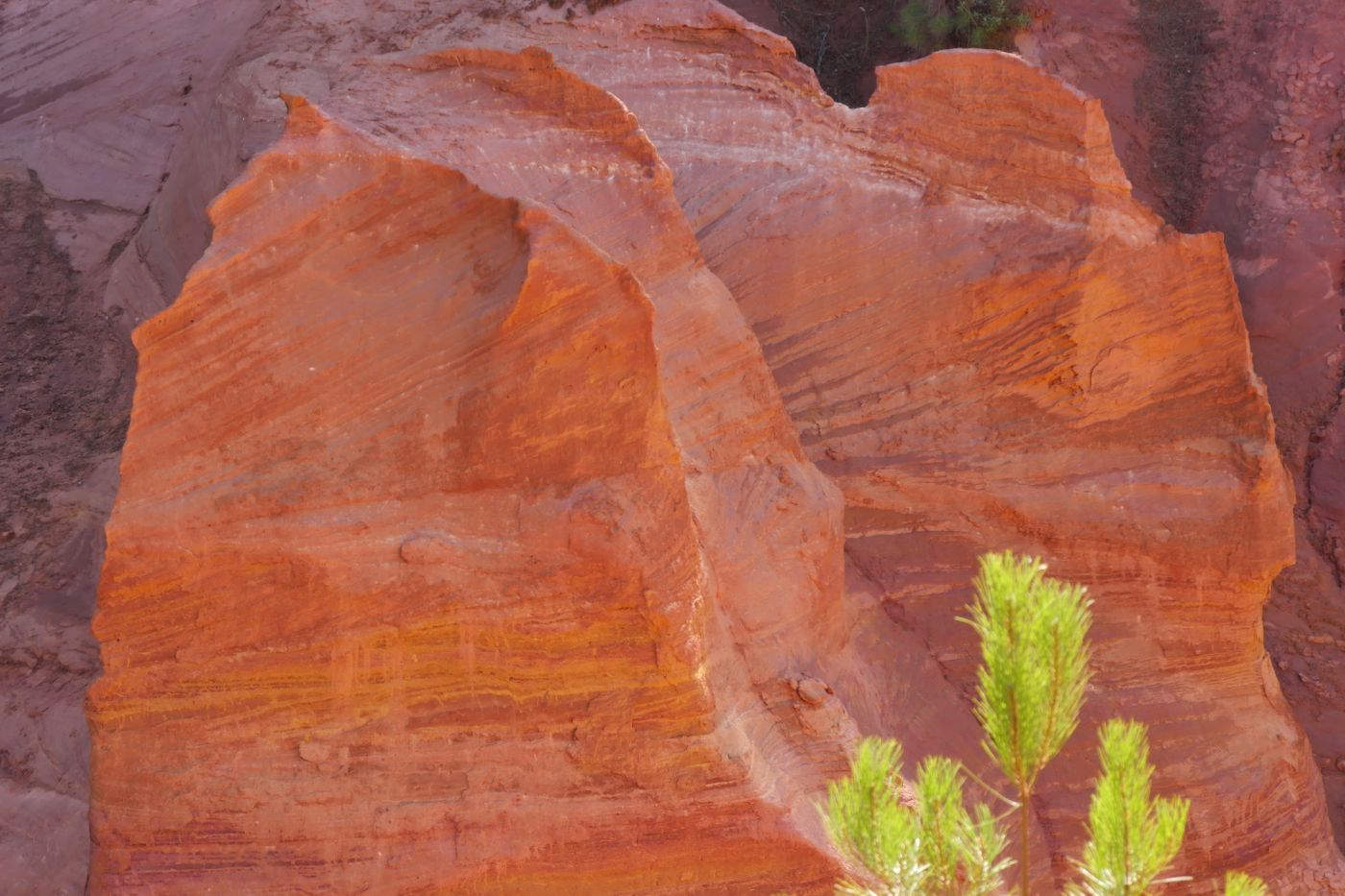
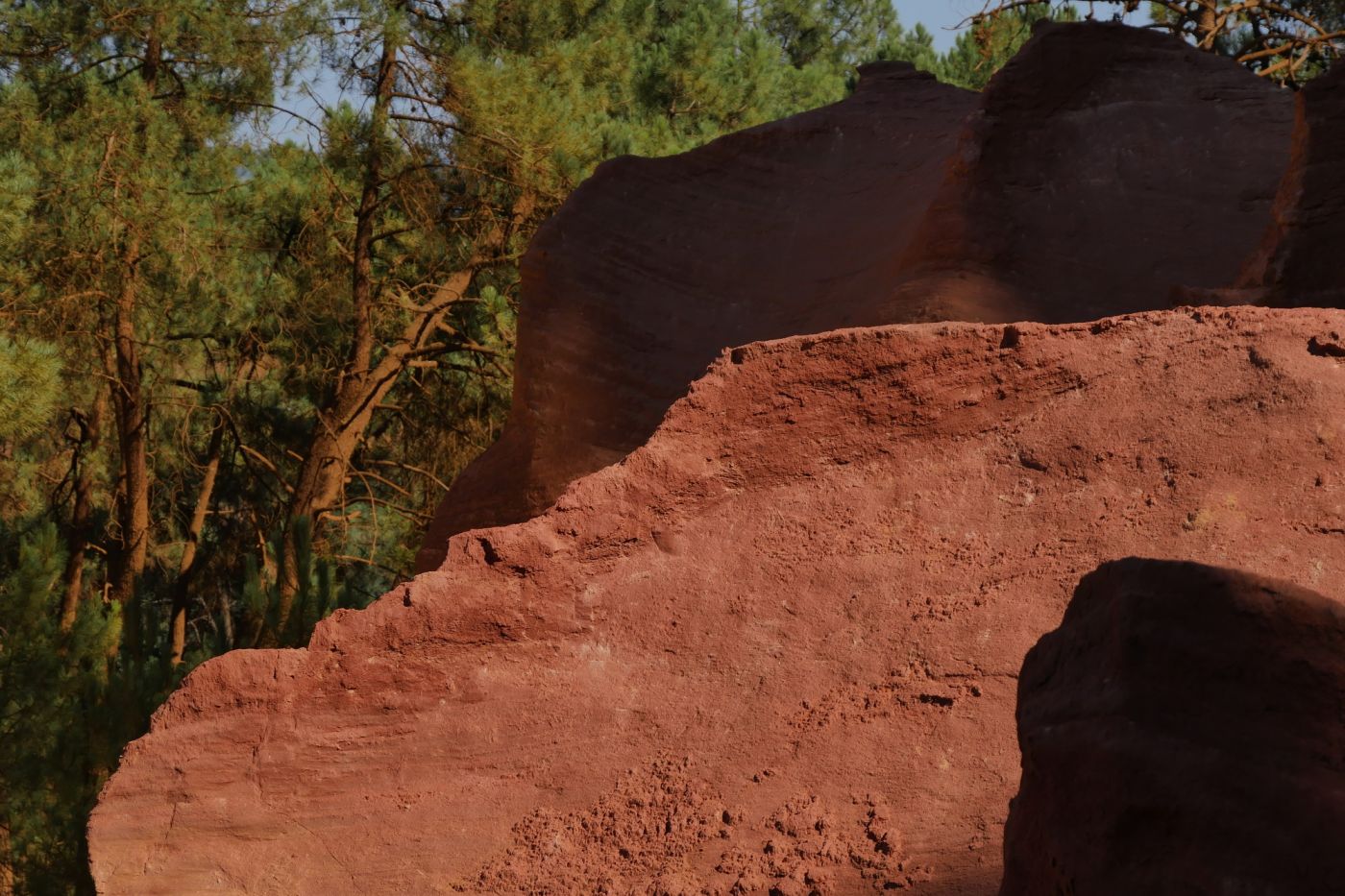
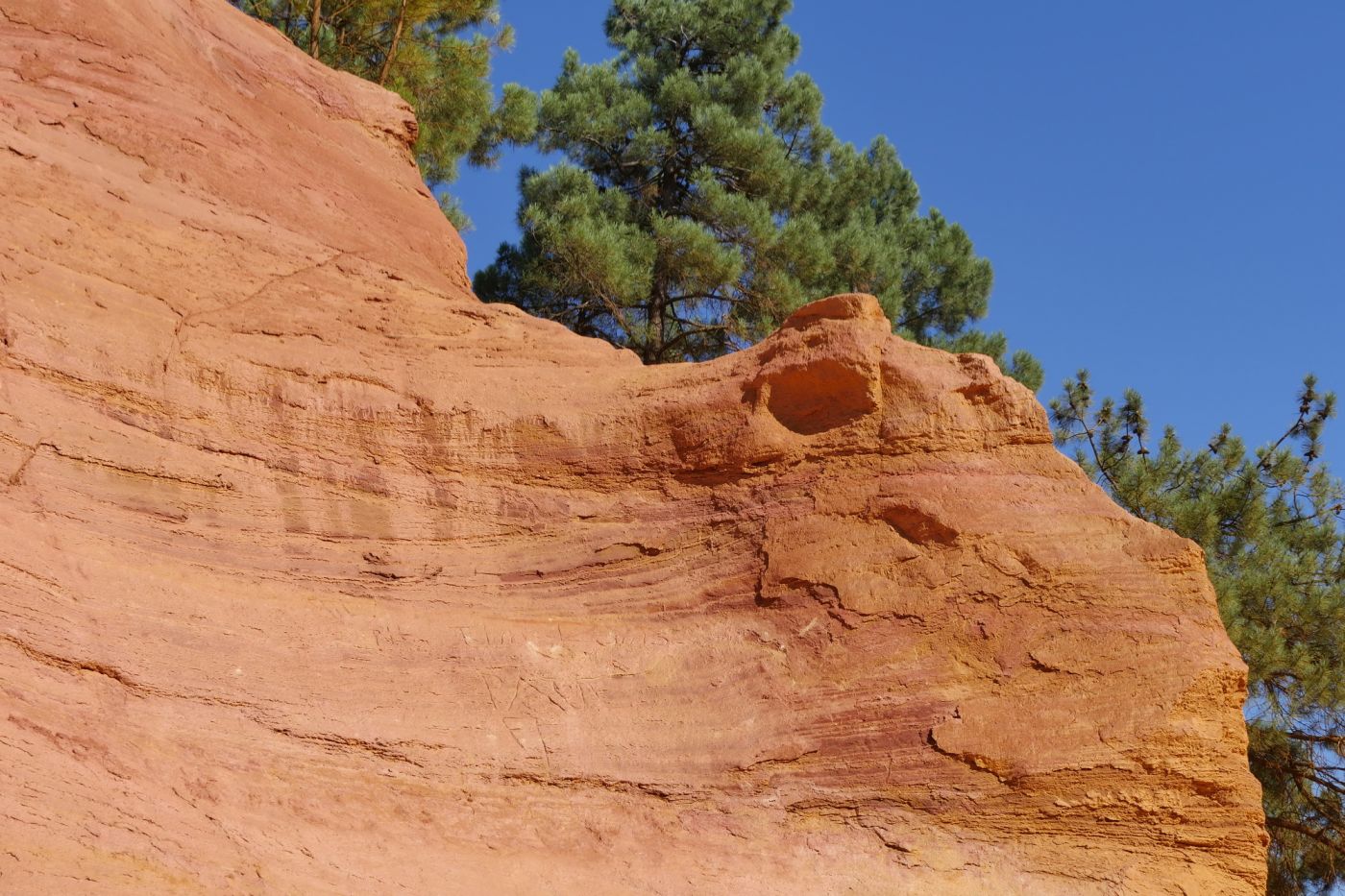
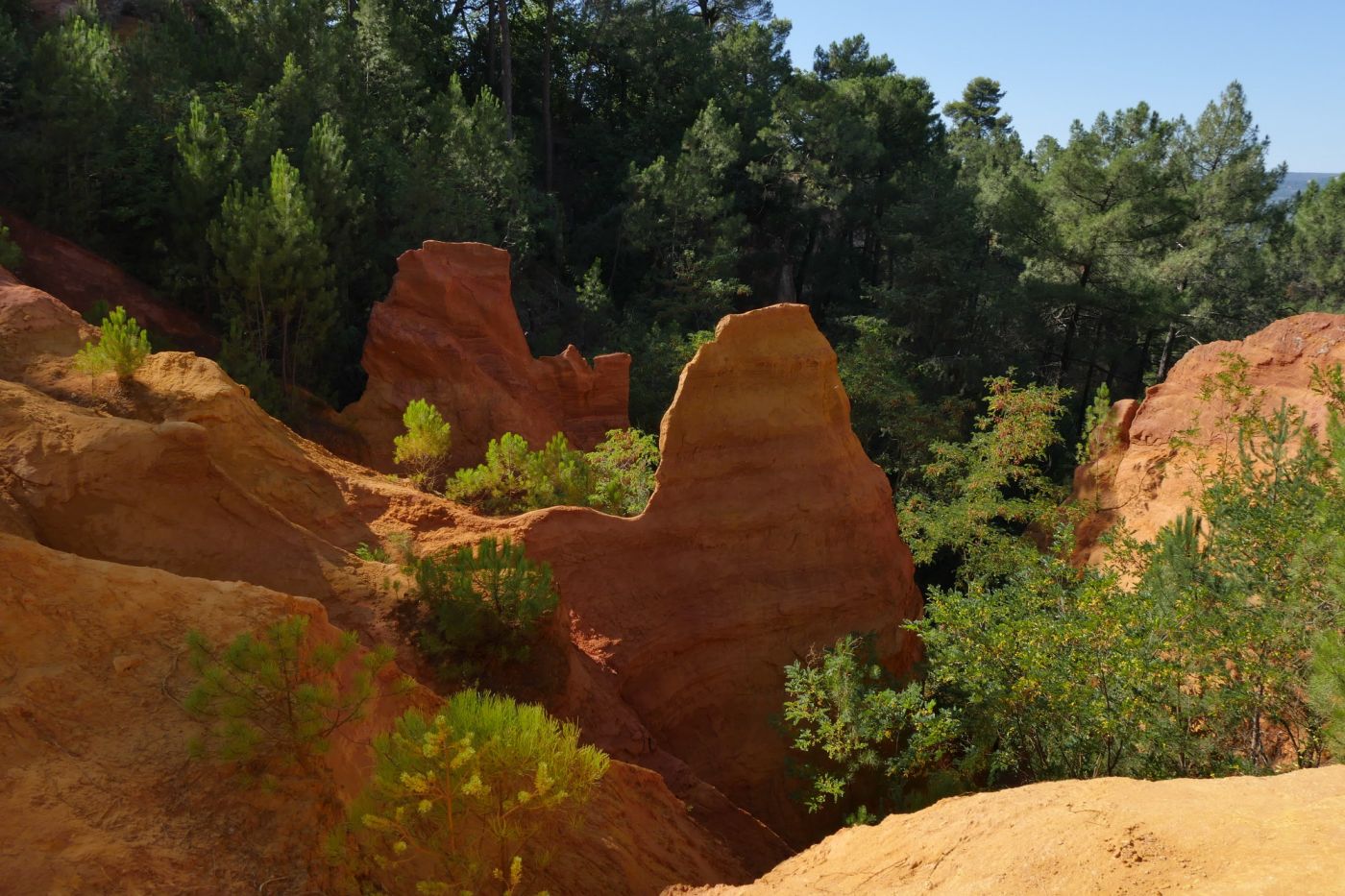
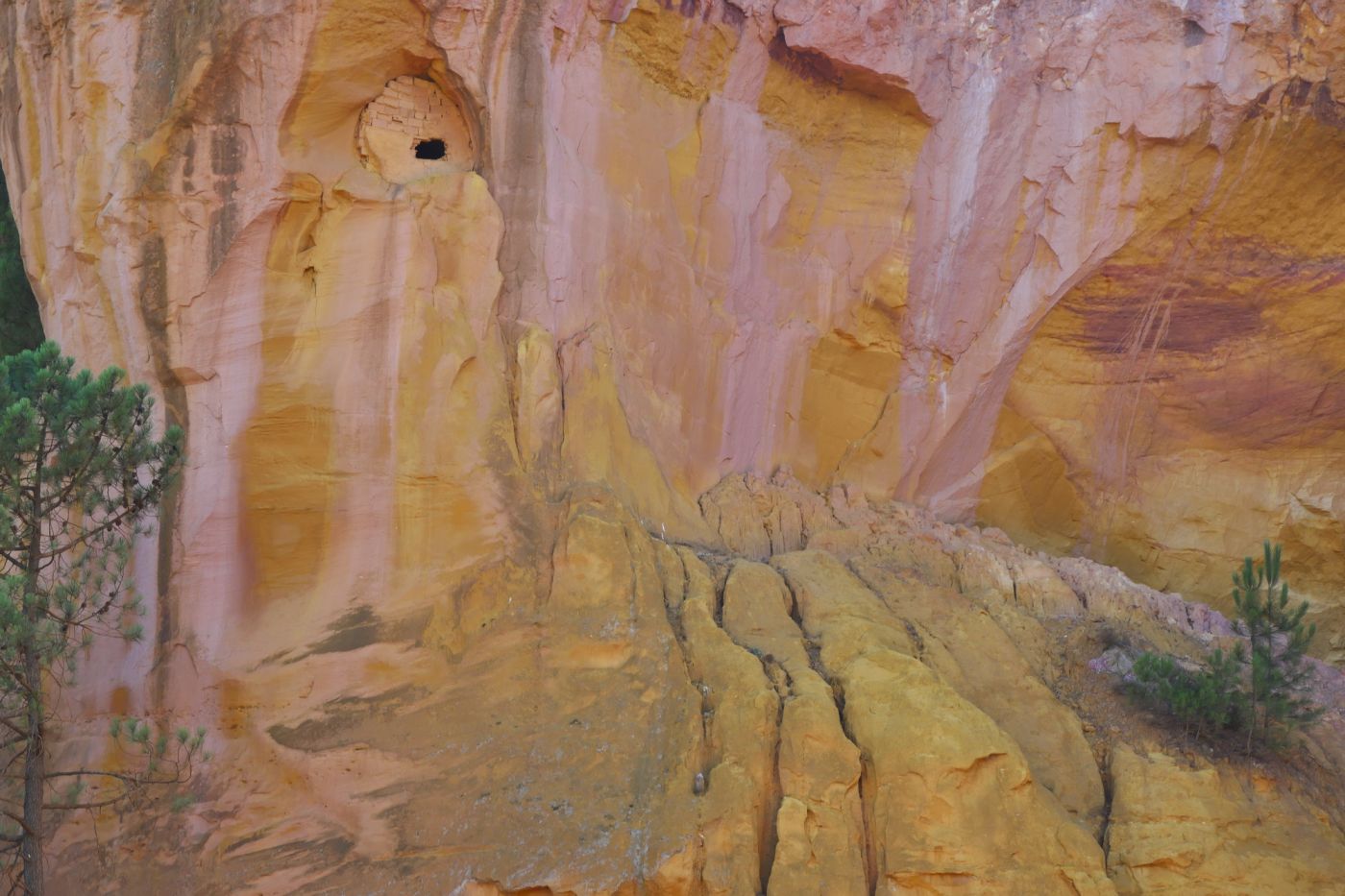
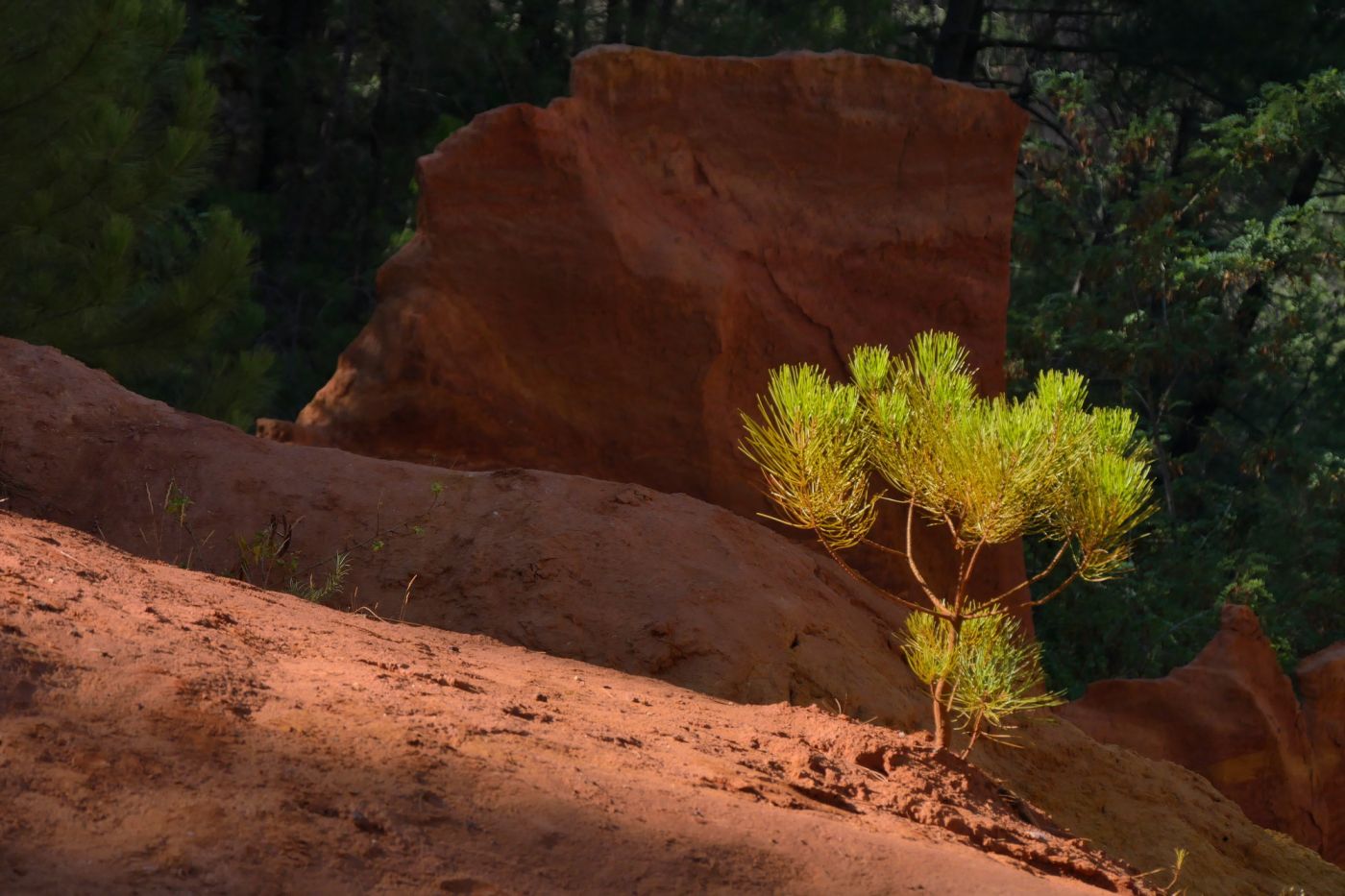
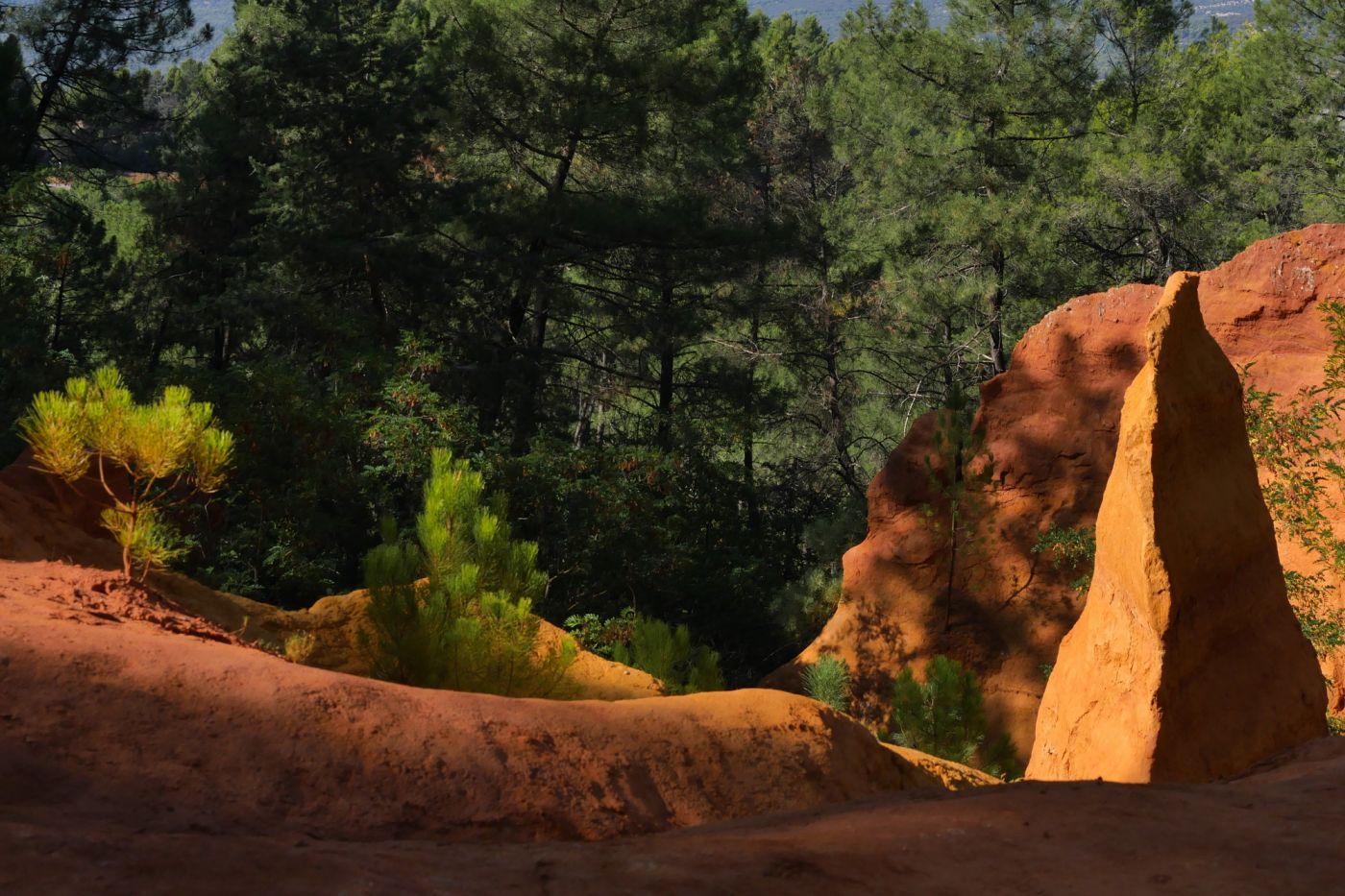
When I visited Roussillon in September 2019, I explored one of the former quarries, now converted into a visitor trail. The landscape is truly spectacular. Although it has been shaped by centuries of industrial activity, the area has become a unique natural setting where eroded slopes are dotted with pine trees. The geomorphological features are remarkably diverse: towering vertical cliffs revealing distinct sedimentary layers, isolated rock formations resembling pinnacles and chimneys sculpted by differential erosion, as well as smooth, rounded ridges incised by gullies formed through runoff and seasonal torrents.
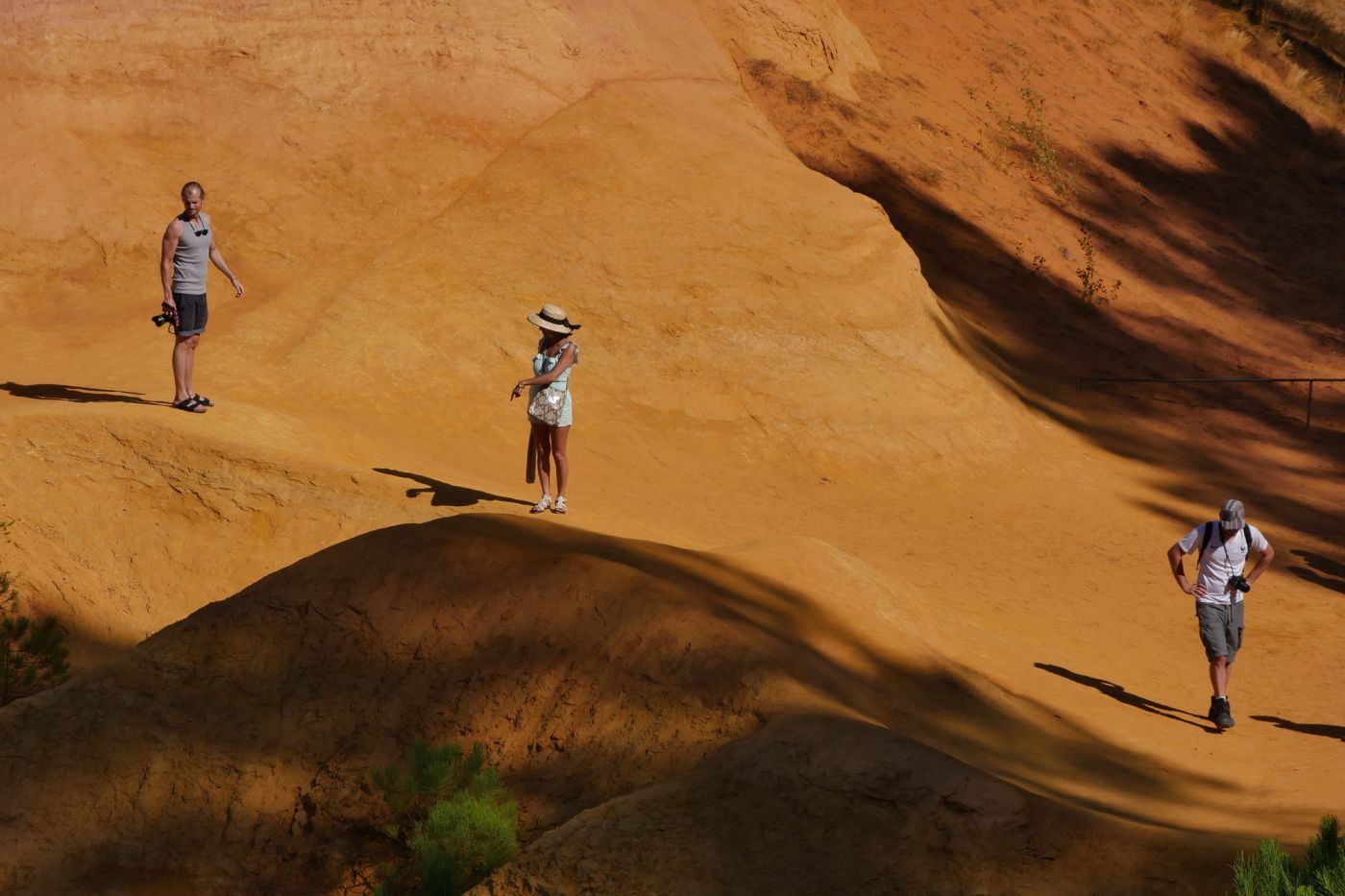
The colors produced by the iron oxides range from shades of brown to brick red, with occasional violet tones. Equally impressive are the numerous variations of yellow, beige, and ochre, whose richness and intensity are enhanced by the warm, golden light so characteristic of Provence.
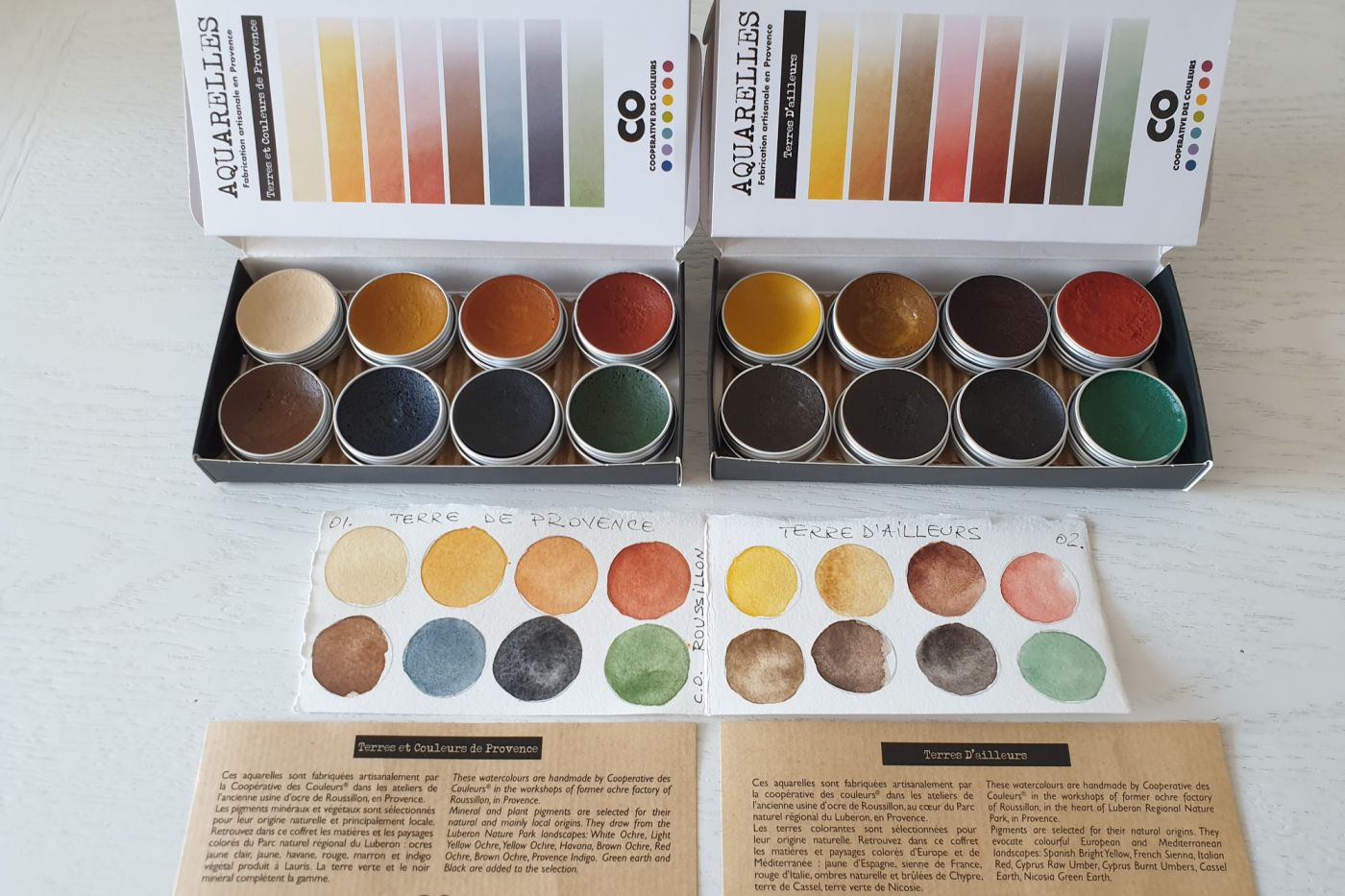
I was delighted to discover such an extraordinary landscape. Nowhere else have I seen such remarkable natural colors. Naturally, I did not leave empty-handed. I purchased two sets of handcrafted watercolors made at the Coopérative des Couleurs – Ôkhra workshop, which I later used in several series of watercolor paintings.
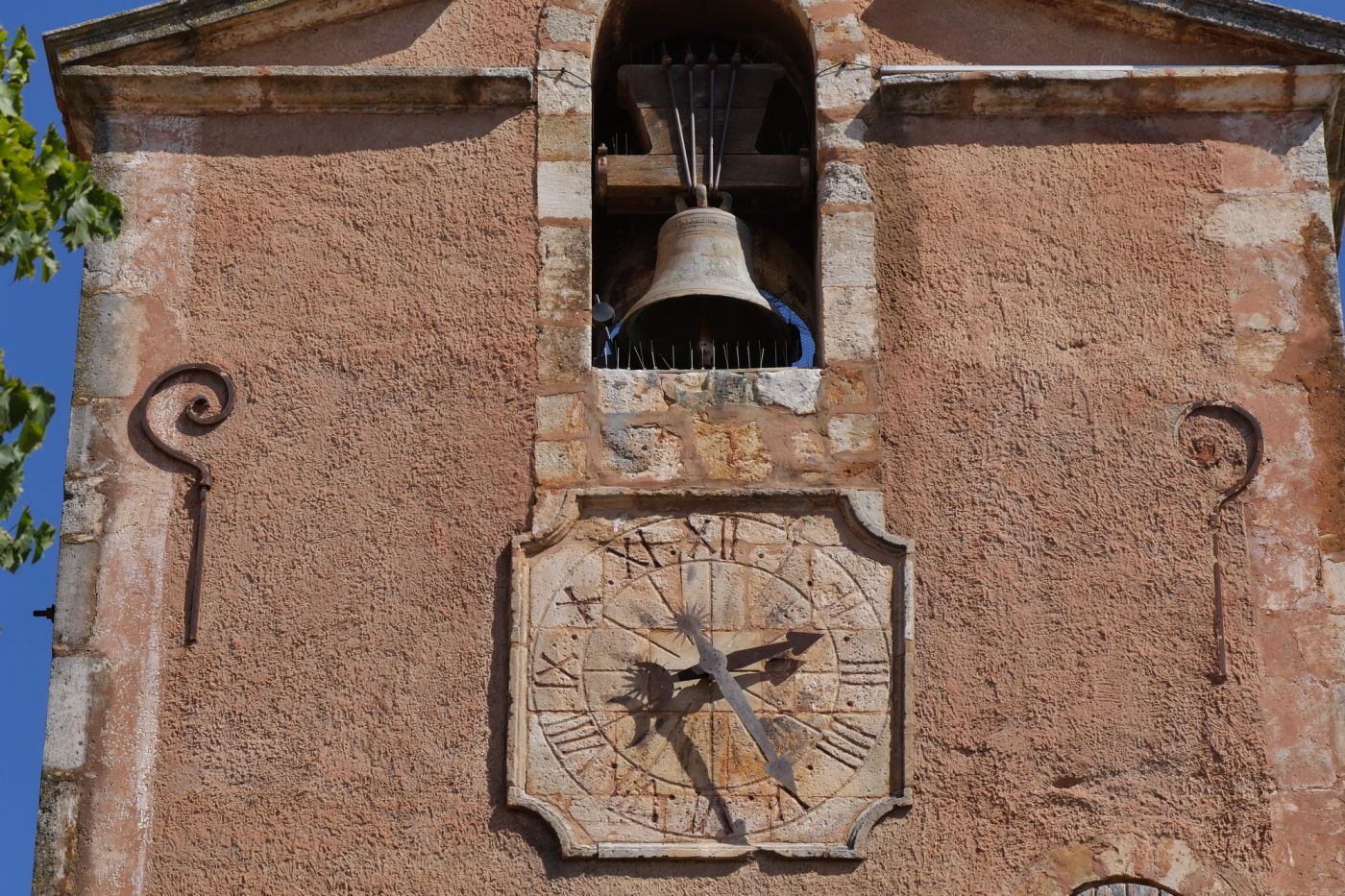
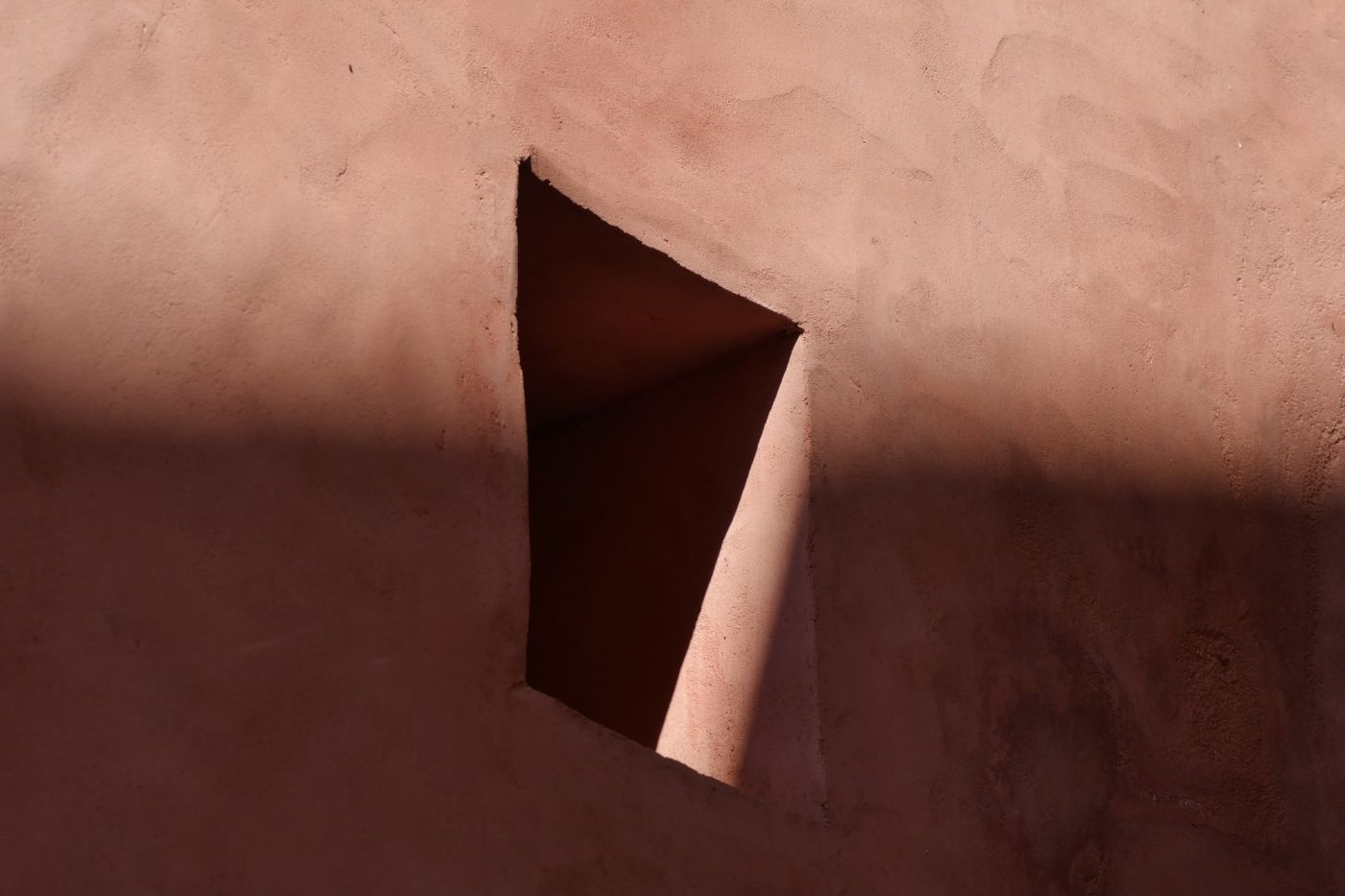
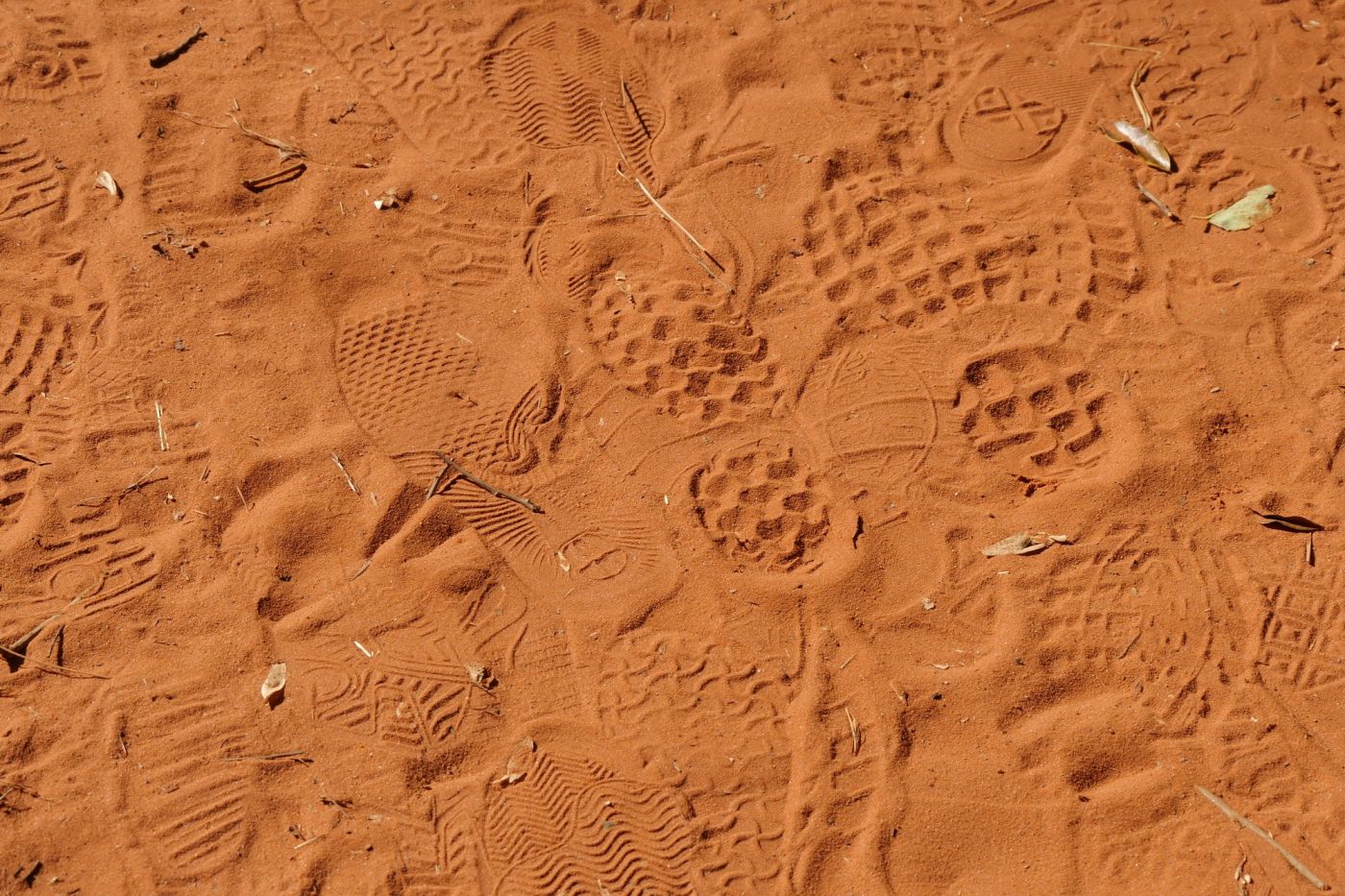
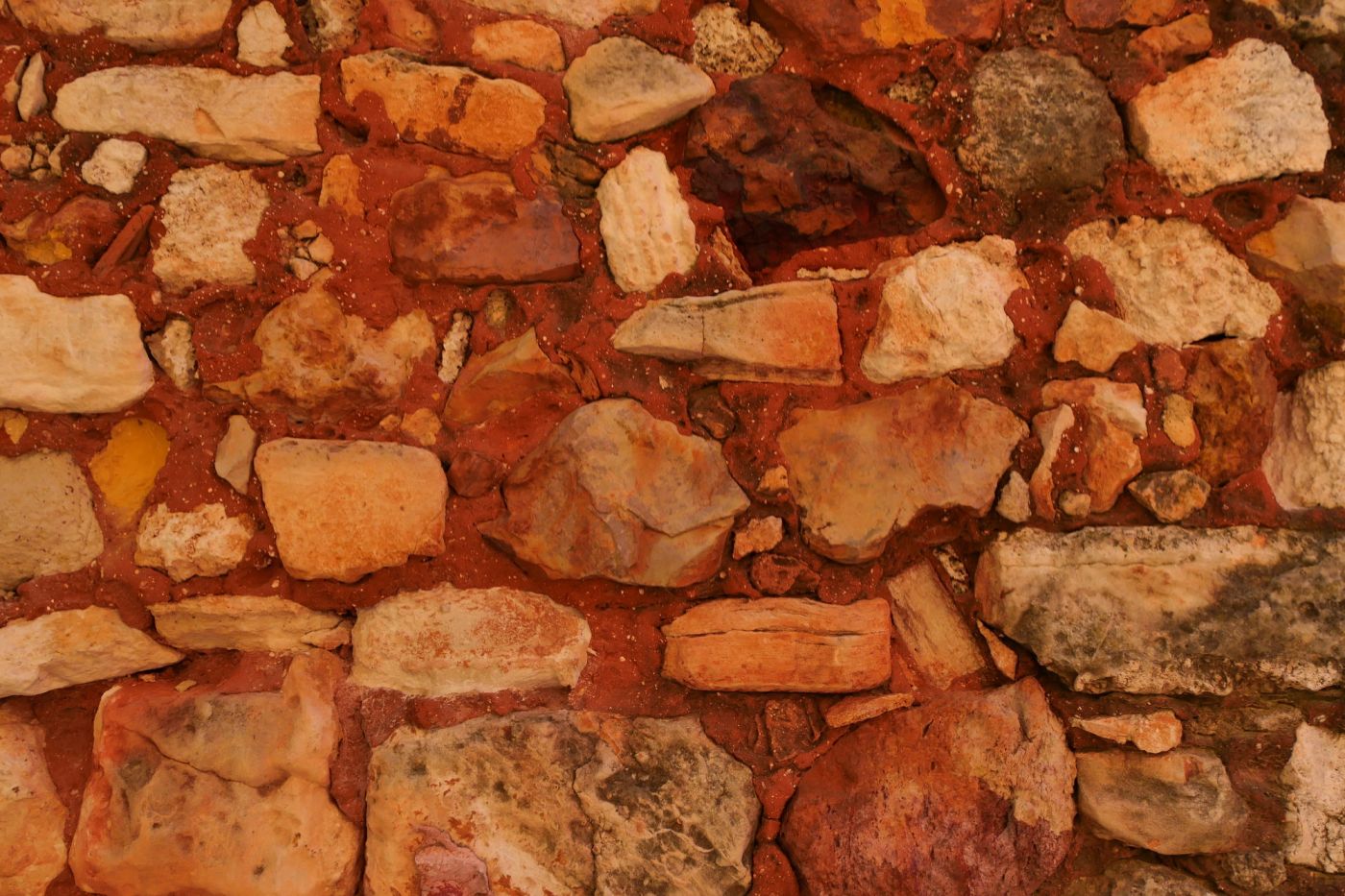
Photo gallery from Roussillon, France, September, 9, 2029
RO:
PĂMÂNT – APĂ – FOC
Ocru de la Roussillon, Franța
În timpul studiilor de Geologie, pe care le-am făcut la Universitatea Babes Bolyai din Cluj Napoca, am avut ocazia să învăț despre diverse minerale și roci, inclusiv despre minerale argiloase și roci sedimentare.
Ulterior, în timpul călătoriilor pe care le-am făcut, am avut uneori ocazia să descopăr pe teren și să văd practică, câte ceva specific, din ceea ce am învățat.
Spre exemplu, în sud-estul Franței, în Provence, departamentul Vaucluse din Masivul Luberon, se află localitatea Roussillon. Micul sat, de pe vărful unei coline, se distinge din depărtare, prin contrastul dintre clădirile gălbui-ocru-brun, cu verdele pădurii de pini.
Această localitate este celebră pentru carierele de ocru care au fost exploatate timp de secole și au furnizat pigmenți naturali, în special pentru construcții, pentru decorarea fațadelor, fiind considerată cea mai importantă exploatare de ocru din lume.
Din punct de vedere geologic formațiunile argiloase din zona Roussillon sunt de vârstă Cretacic inferior, formate în urmă cu aproximativ 100–115 milioane de ani. La acea vreme se presupune că în zonă era un climat tropical, un areal lagunar sau deltă, aluviunile transportate de râuri fiind depuse în apa marină de mică adâncime de la țărmul mării Tethys.
Ocru de Roussillon este o argilă naturală, compusă din nisipuri cuarțoase, minerale argiloase, hidroxizi și oxizi de fier, care dau culoarea specifică. Aceste roci argiloase prezintă o varietate mare de nuanțe: gri, galben, ocru, roșu, brun.
Acest tip de pigment a fost folosit încă din preistorie (dovadă fiind picturile rupestre).
Romanii au extras ocru de aici din Roussillon. Exploatarea industrială a început în secolul XVIII, când a fost descoperit procedeul de separare a pigmentului prin spălare cu apă și decantare. Apogeul exploatării de ocru a fost în secolul XX, când existau în zonă 60 de cariere de extracție și 20 de fabrici de prelucrare. Se estimează că lucrau 1000 de muncitori, iar producția anuală era cam de 40 de mii de tone de pigment. După 1940, când pigmenții sintetici au devenit mai ușor de produs la scară industrială și mai ieftini, exploatarea din zona Roussillon a intrat în declin, fiind închisă în anii 1950-1960.
În prezent se mai exploatează doar în cantități mici, pigmenții naturali fiind folosiți pentru producția artizanală de culori pentru pictură.
Când am vizitat eu acest loc, în septembrie 2019, am făcut un tur în veche carieră, amenajată cu un traseu turistic. Peisajul de aici e cu totul spectaculos. Chiar dacă este modelat în urma activității industriale, este un areal în care versanții erodați de precipitații sunt presărați cu pini. Formele geomorfologice sunt foarte diverse. Pereți verticali, în care se poate distinge stratificația, formațiuni solitare, precum „pinteni” și „hornuri” specifice eroziunii diferențiate sau culmi domoale, rotunjite, brăzdate de făgașe prin șiroirea torenților. Culorile date de oxizii de fier din compoziție, oscilează de la nuanțe de brun la roșu-cărămiziu, care virează spre violet pe alocuri. Nuanțele de galben, bej, ocru sunt foarte diverse și capătă o saturație a culorii cu totul deosebit de frumoasă în lumina aurie din Provence.
Am fost foarte încântat să descopăr acest peisaj minunat. Nicăieri nu am mai văzut în natură așa culori! Ca atare nu am plecat cu mâna goală, ci cu două seturi de acuarele produse artizanal chiar acolo la atelierul COOPERATIVE DES COULEURS – OKHRA, pe care le-am folosit ulterior la câteva serii de picturi în acuarelă.