
Earth – Water – Fire
(*text în română mai jos)
During my Geology studies at Babes Bolyai University in Cluj Napoca, I had the opportunity to learn about various geological processes, including volcanology. Later, while traveling, I occasionally had the chance to encounter in the field and see firsthand some of the geological features I had previously studied.
***
Hakone – Japan
At the hotel breakfast in Ginza, Tokyo’s famous district, there was everything imaginable – except that you had no idea what any of it was. Nothing looked familiar.
Having arrived in Japan only the previous evening, I was still trying to make sense of my surroundings, immersed in a world so different from anything I had known before.
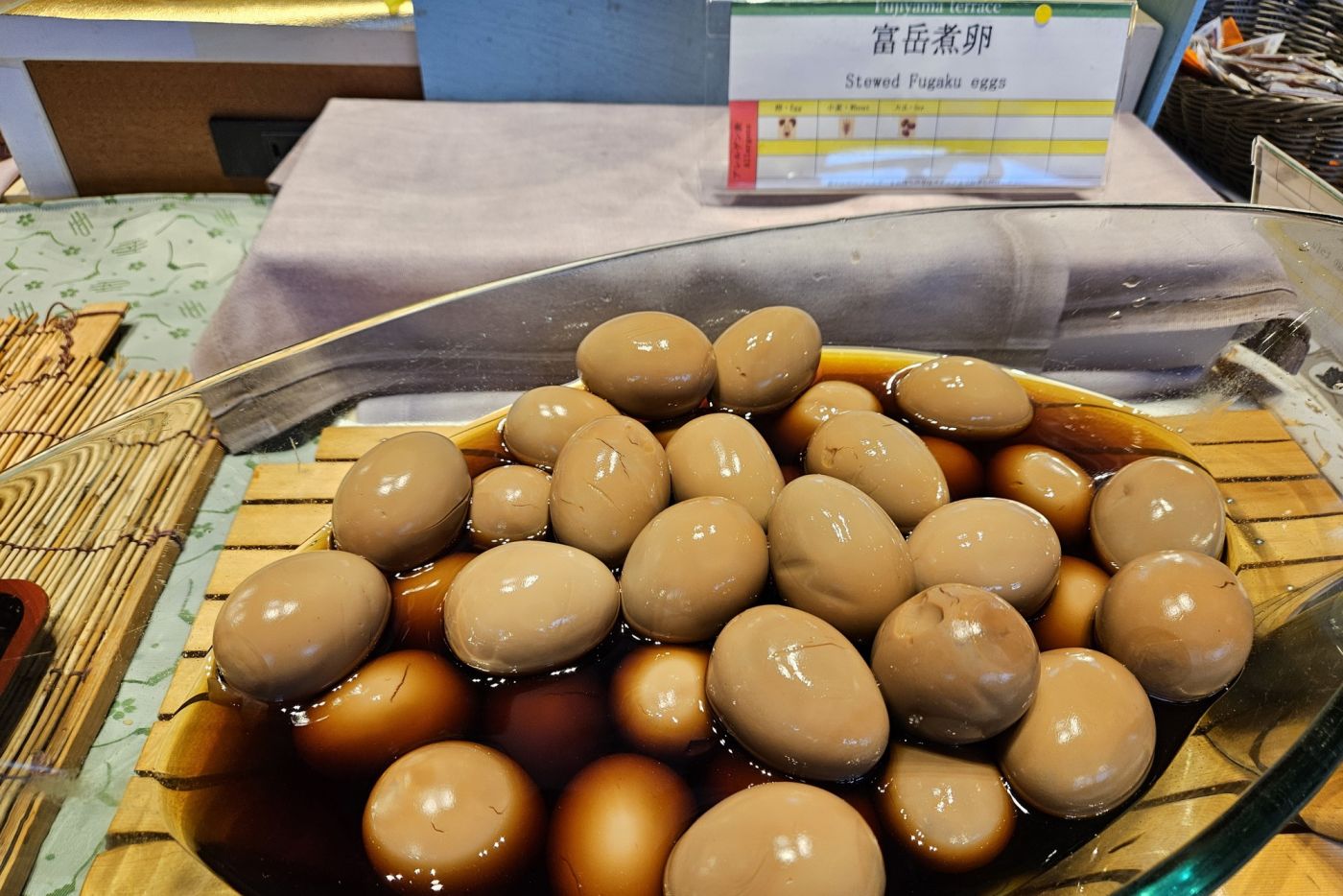
On platters and in porcelain bowls, strips of raw fish, seafood, seaweed, and paper-thin slices of raw beef were arranged with exquisite precision, accompanied by vegetables and fruits I had never even known existed, let alone what they were called or what they tasted like. Various dishes were sizzling on hot plates, while large pots of soup simmered nearby. I stood there in amazement at such incredible variety and found myself wondering, “Surely I can find an egg—a simple boiled egg?” (There were only raw eggs, as it turned out…)
Who could have imagined that, before long, I would come across eggs on a mountaintop, boiled by steam rising from an active volcano?
***
Hakone Volcano
Geologically speaking, Japan is home to numerous active volcanoes, and Hakone is one of them.
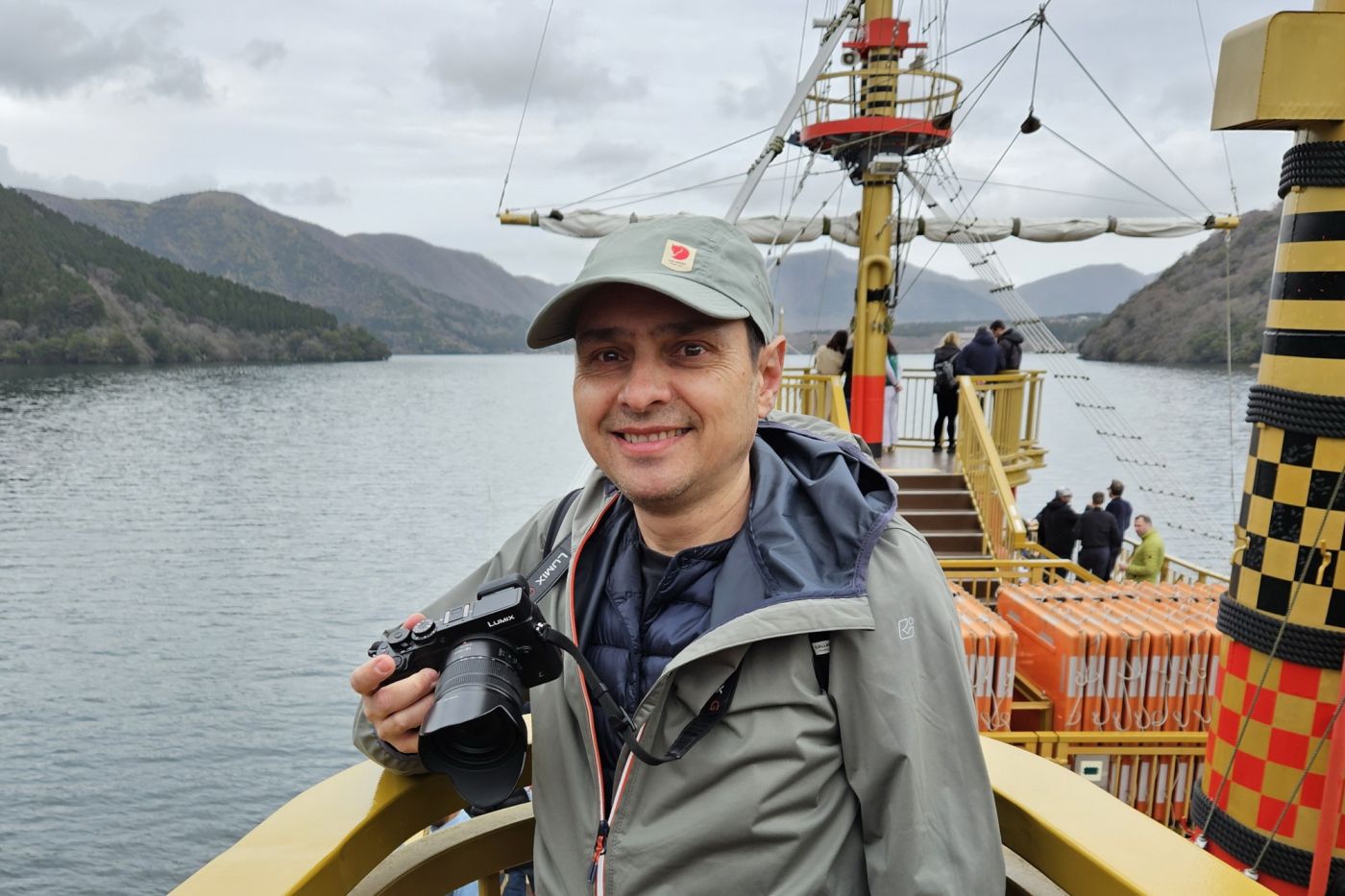
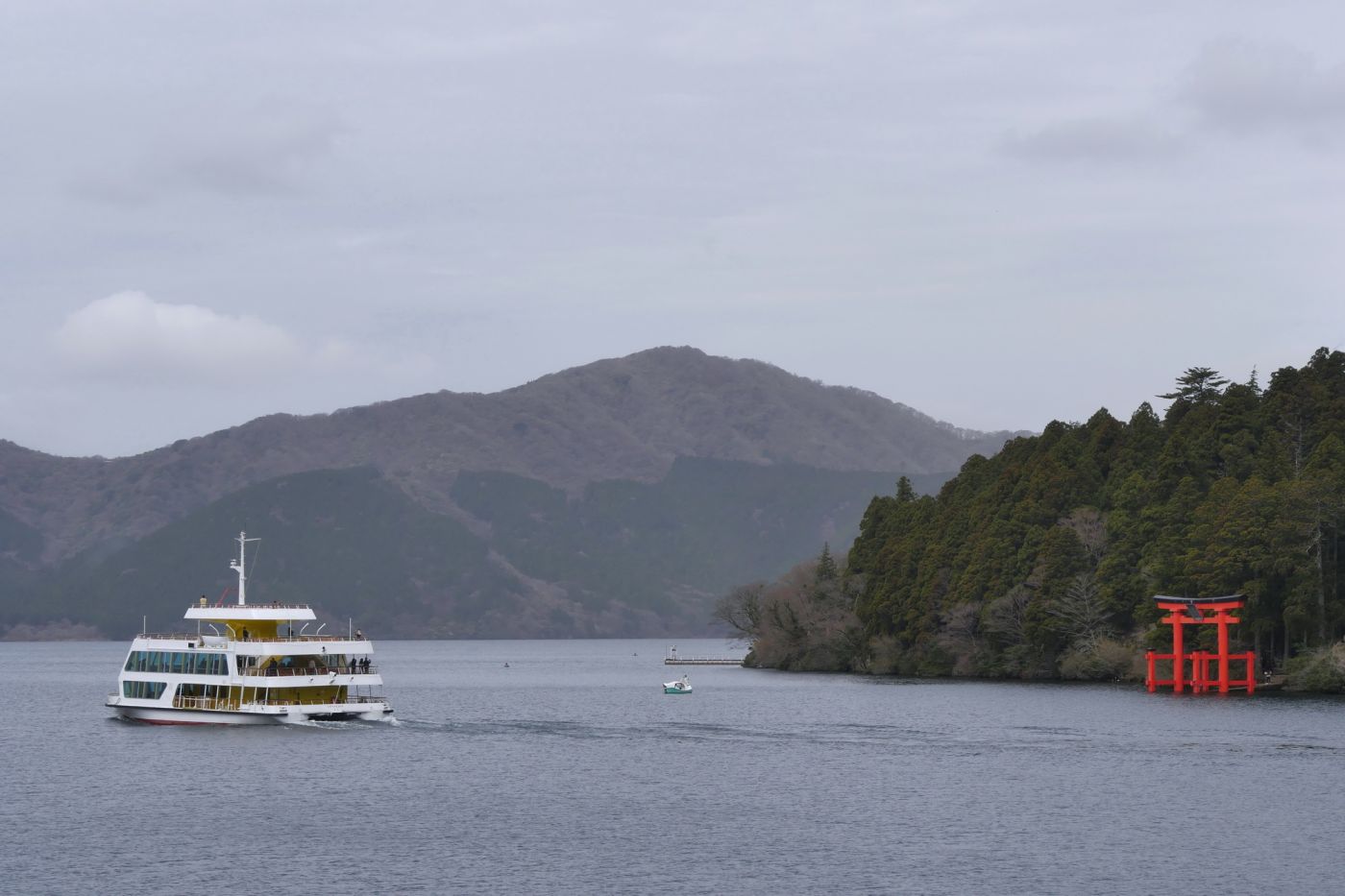
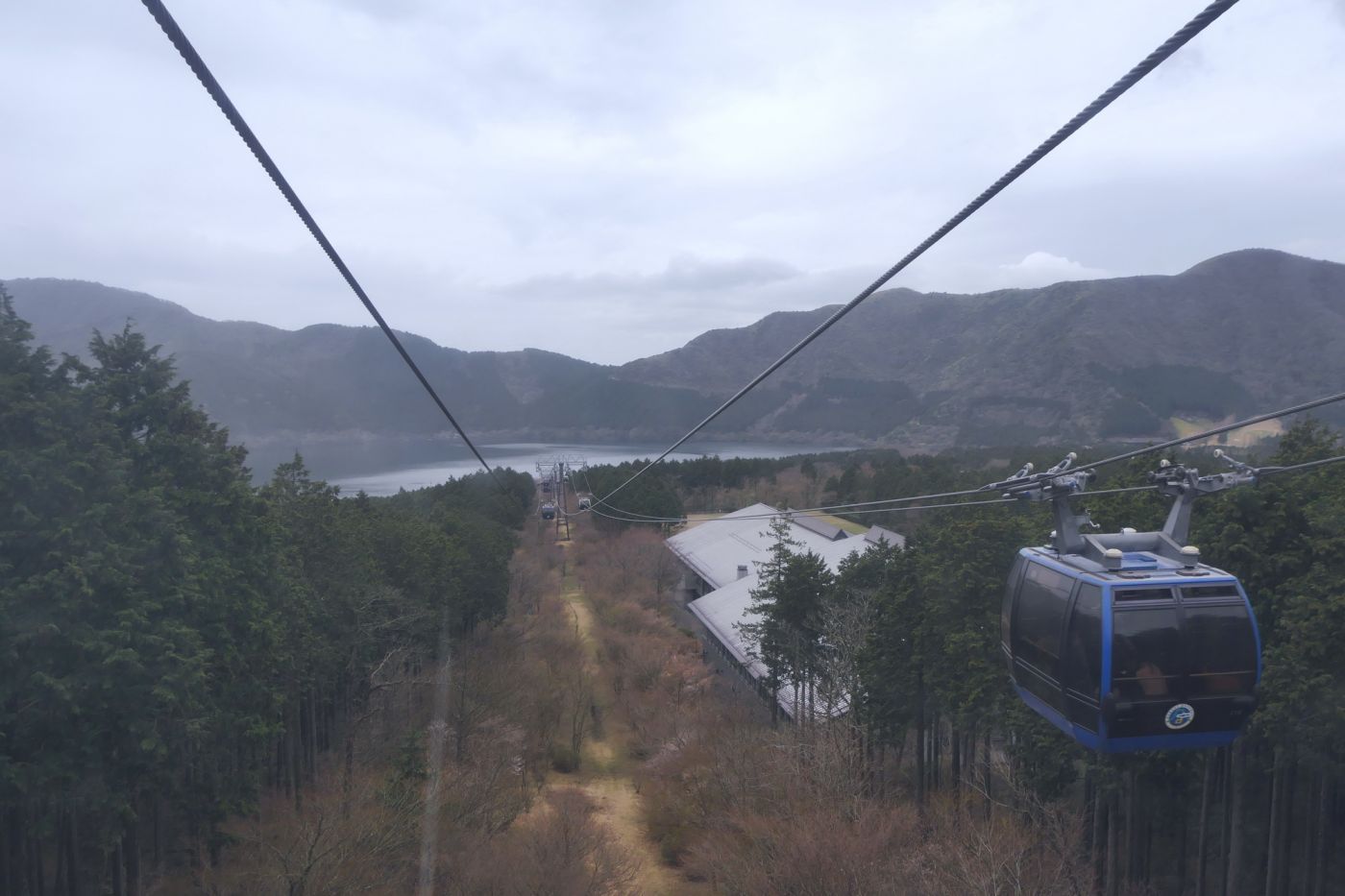
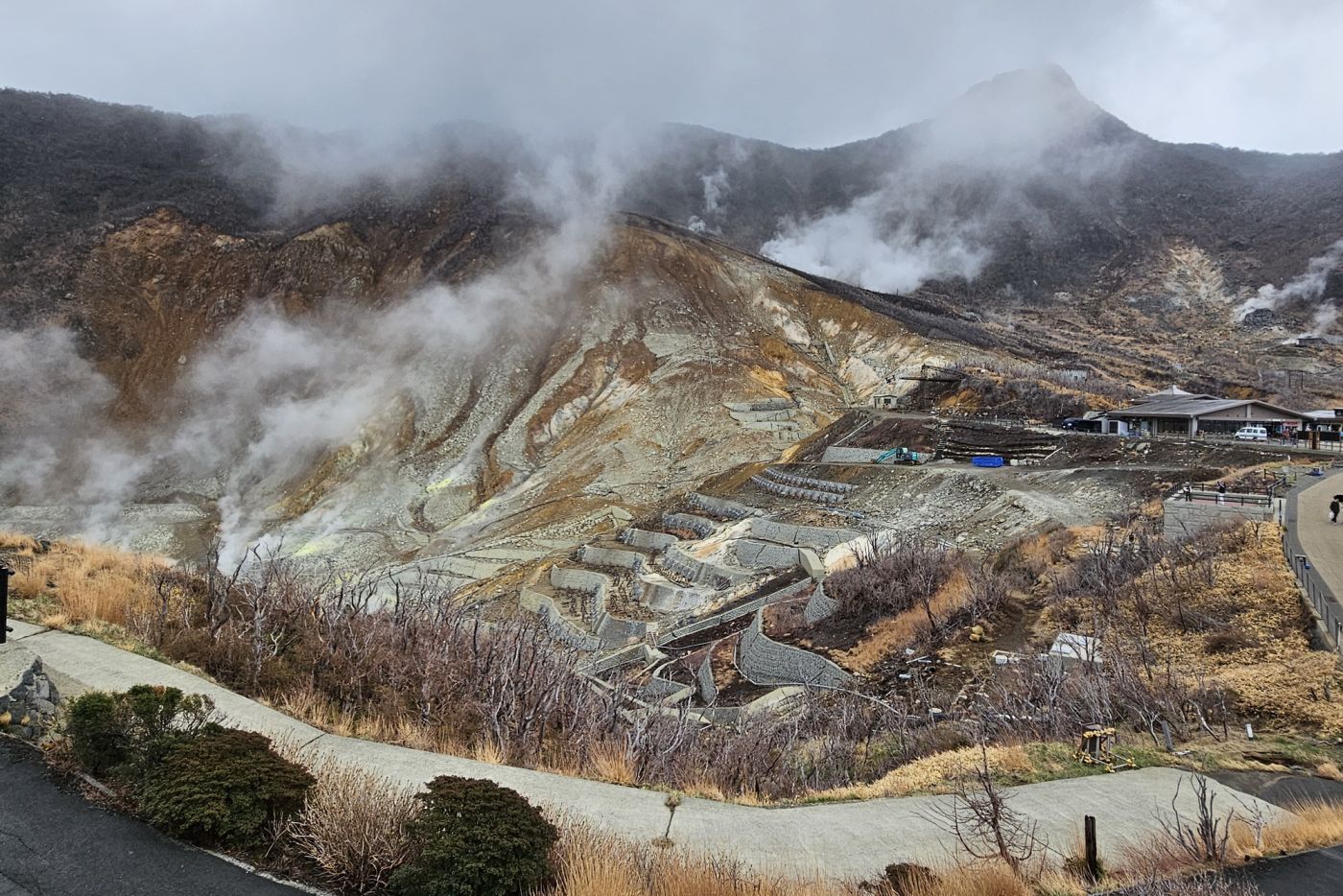
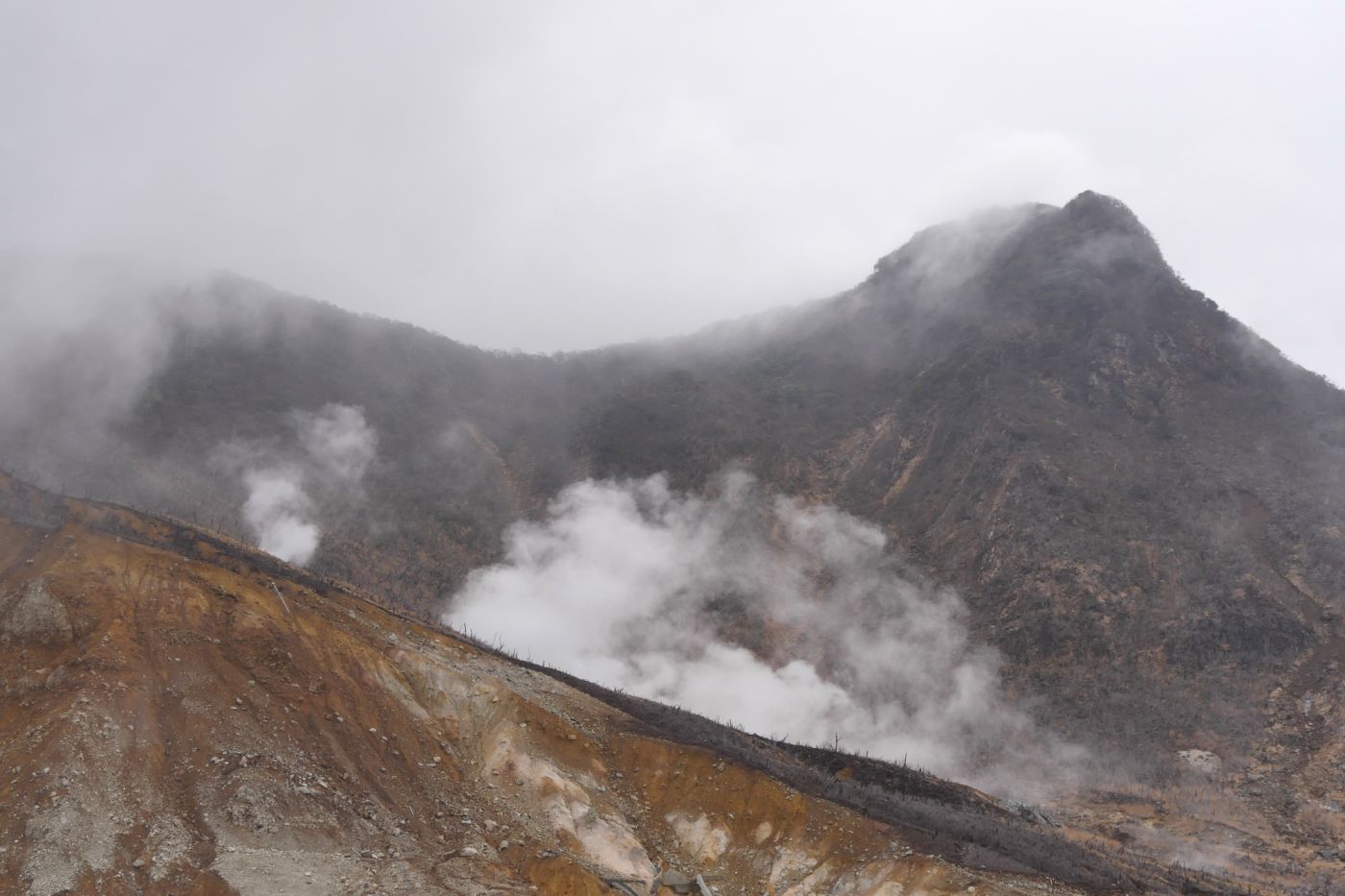
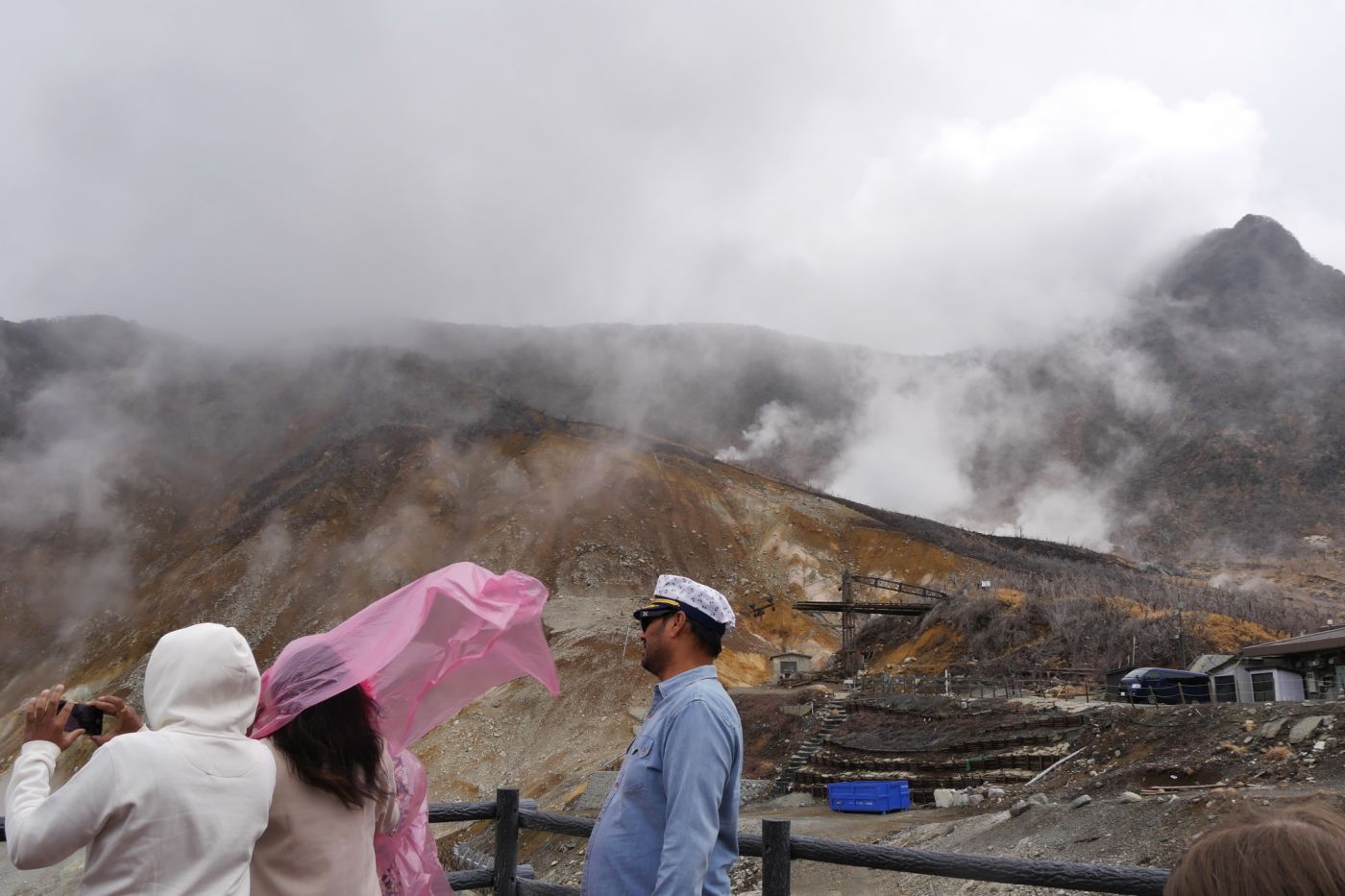
To reach the area, we crossed Lake Ashi by boat. The lake was formed after massive landslides triggered by a major volcanic eruption some 3,000 years ago. From the lakeshore, a cable car climbs to an altitude of 1,044 meters (3,425 feet), where a viewing platform overlooks the Ōwakudani Valley – known as the “Great Boiling Valley.” Situated on the slopes of the volcano, the valley still bears the unmistakable scars of the successive landslides that followed Hakone’s explosive eruption three millennia ago.
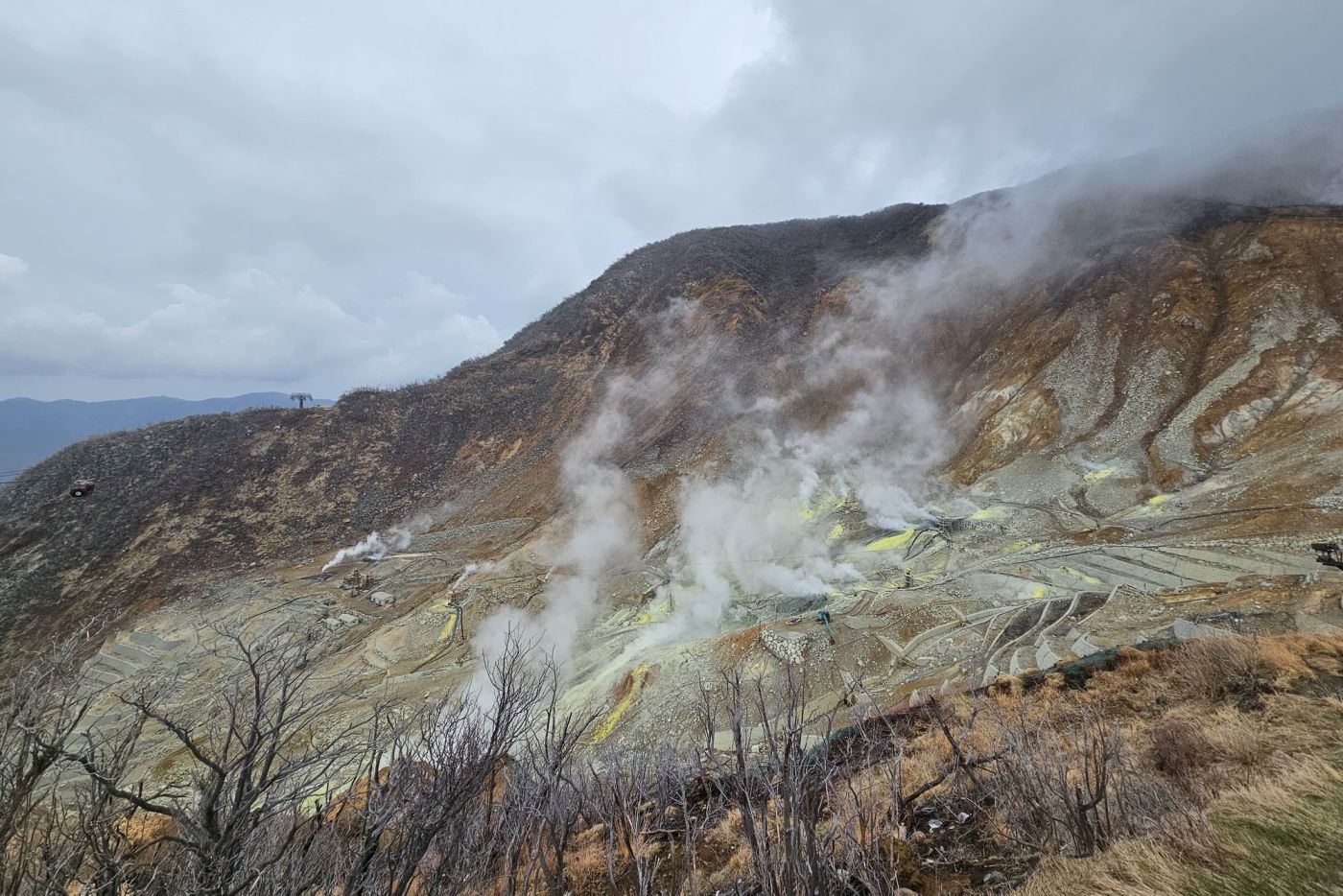
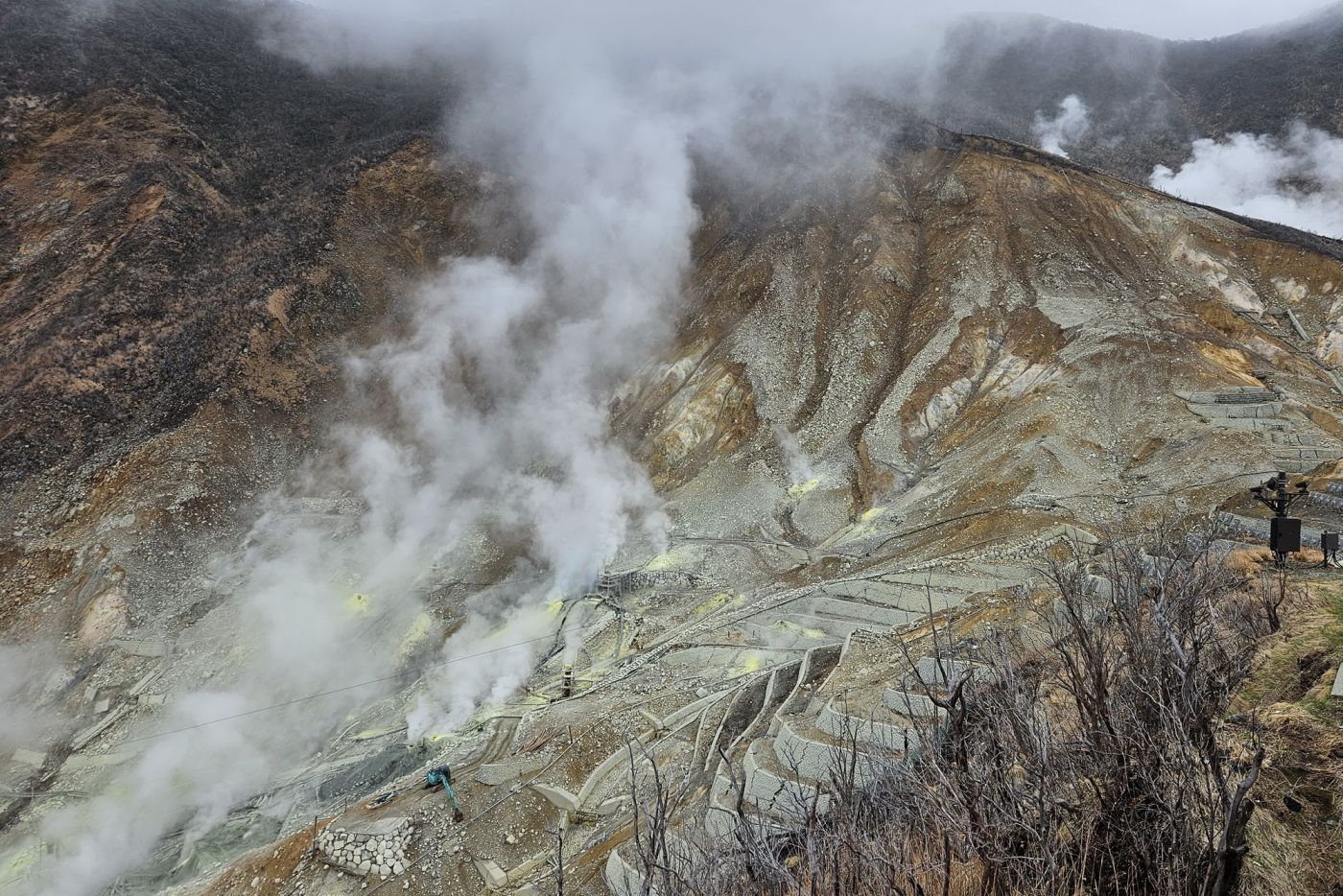
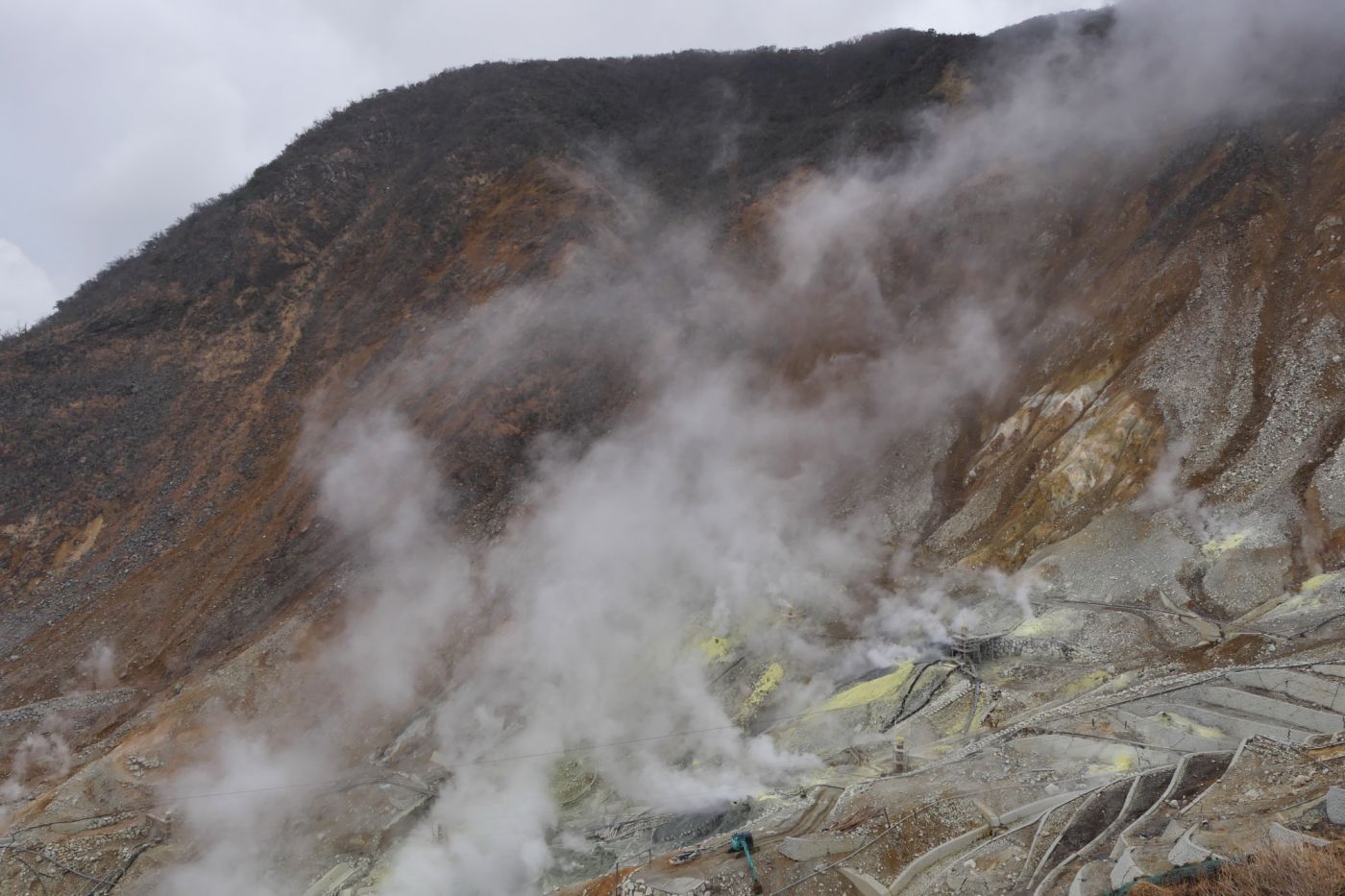
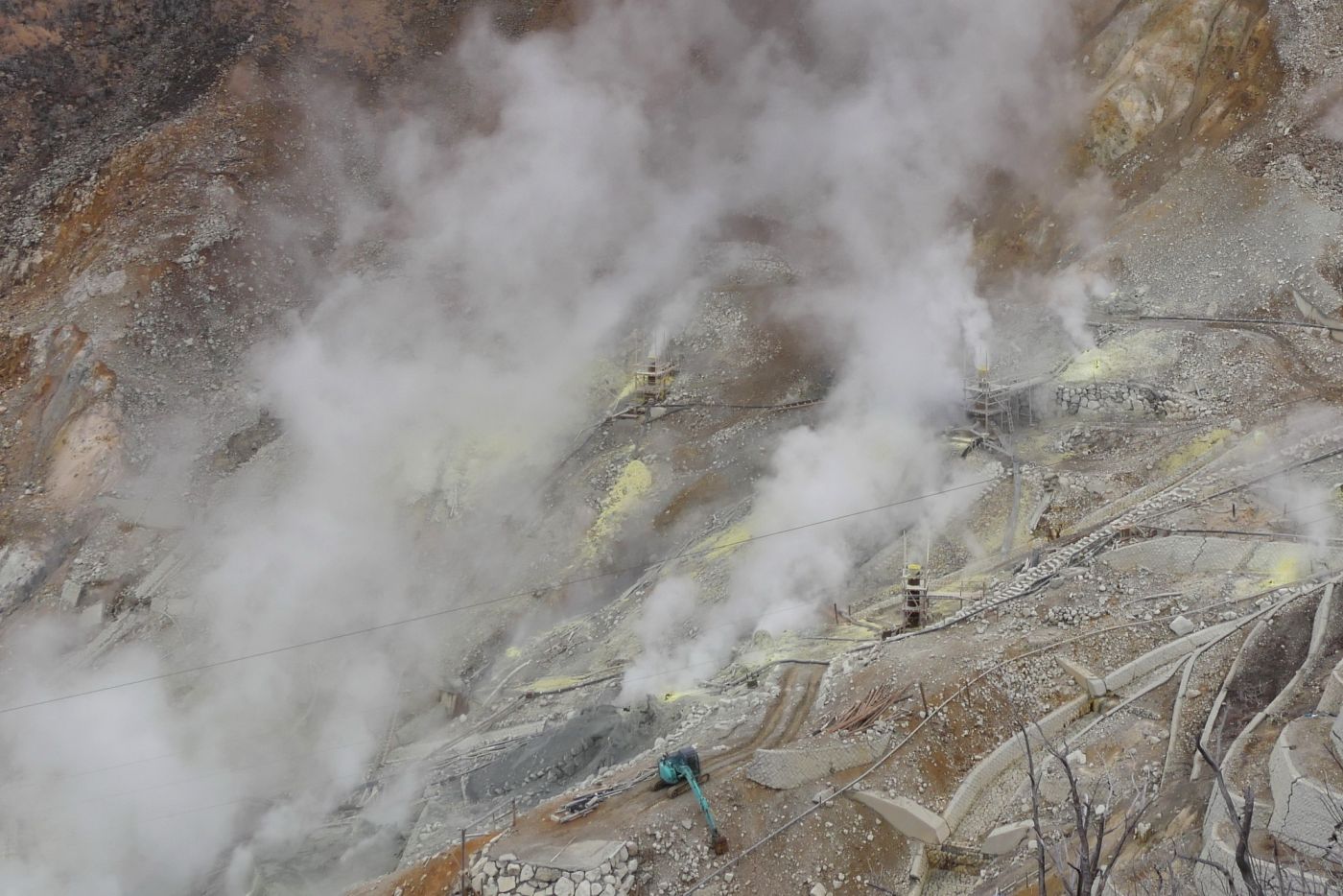
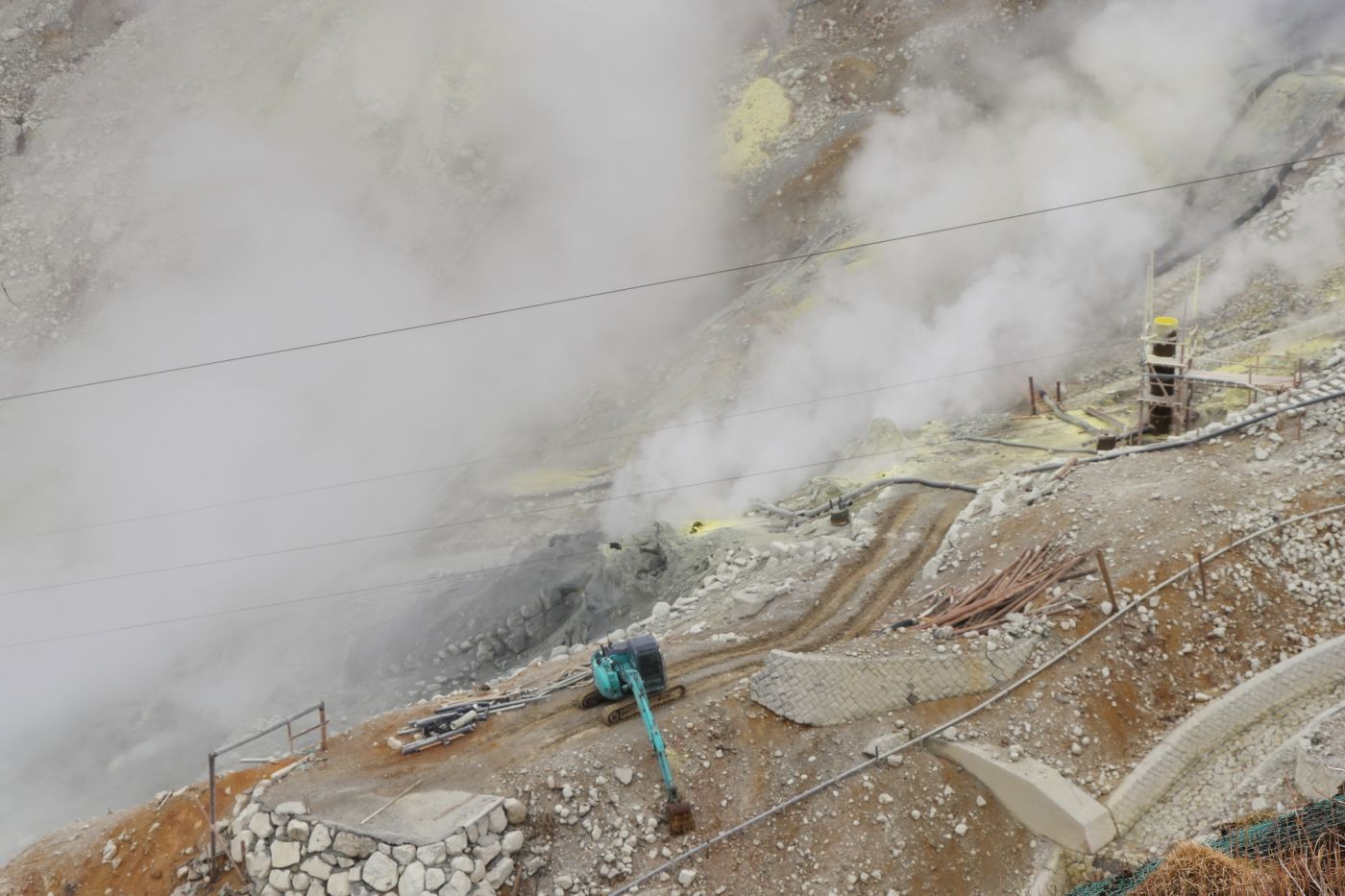
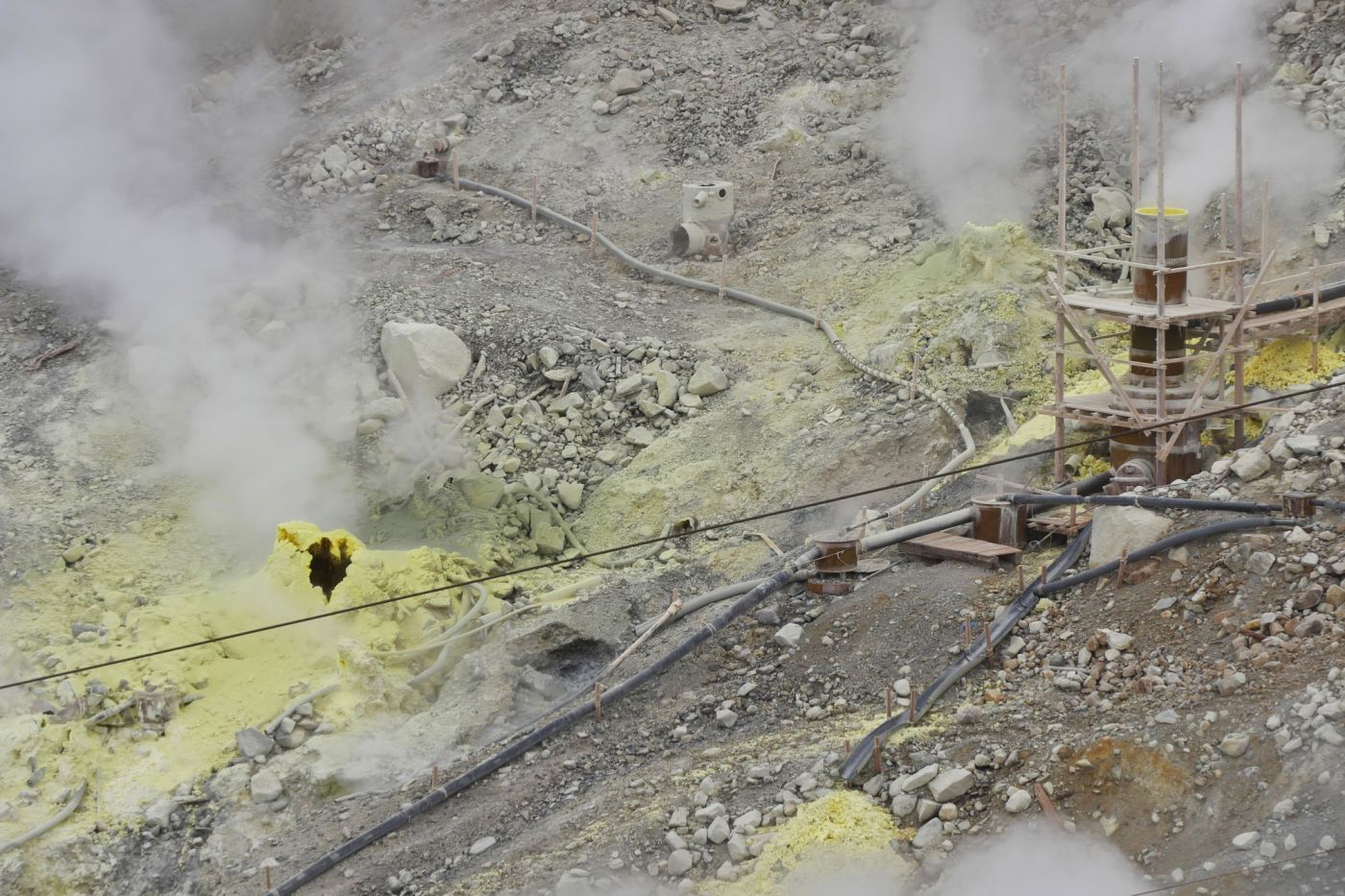
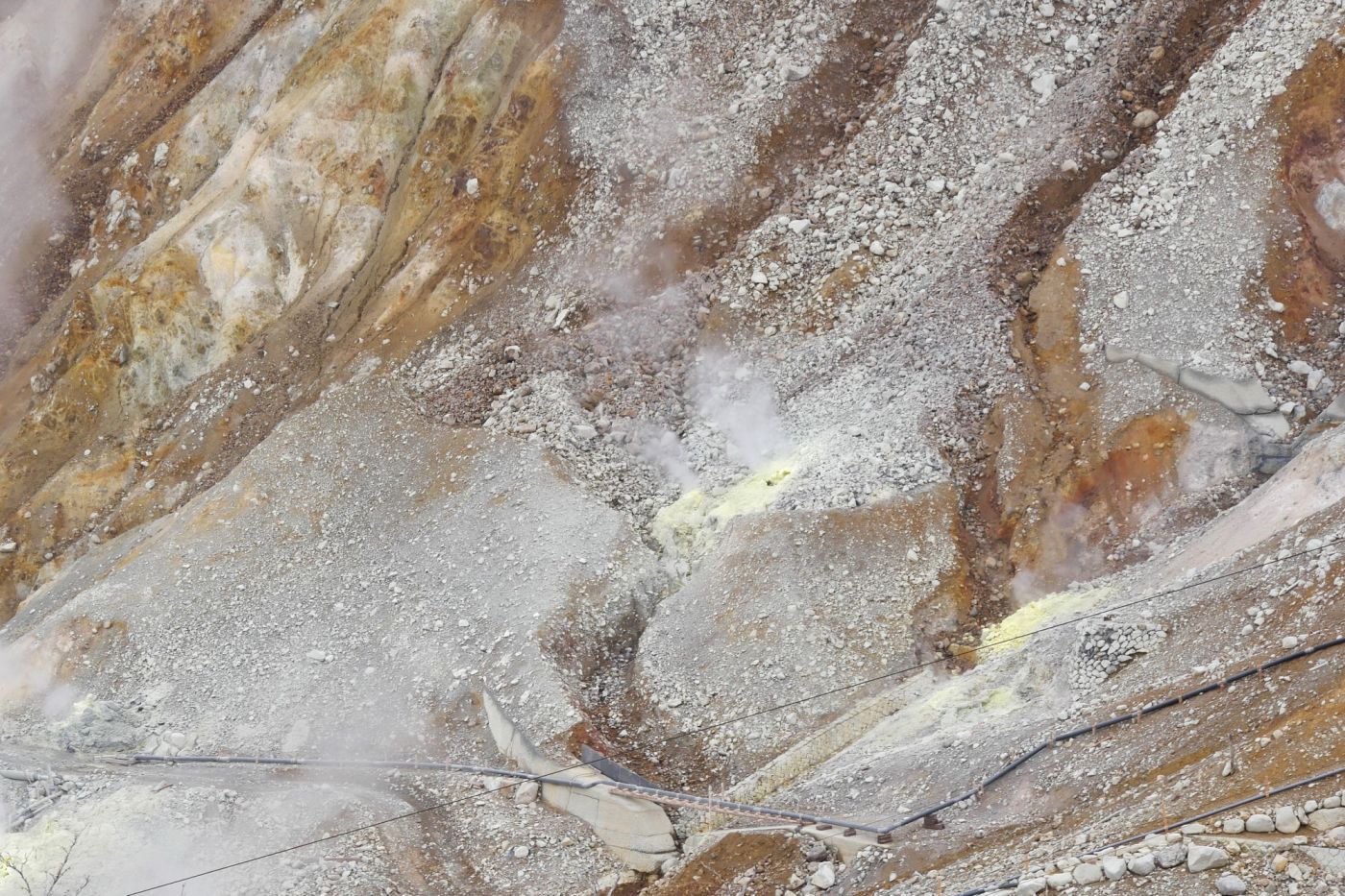
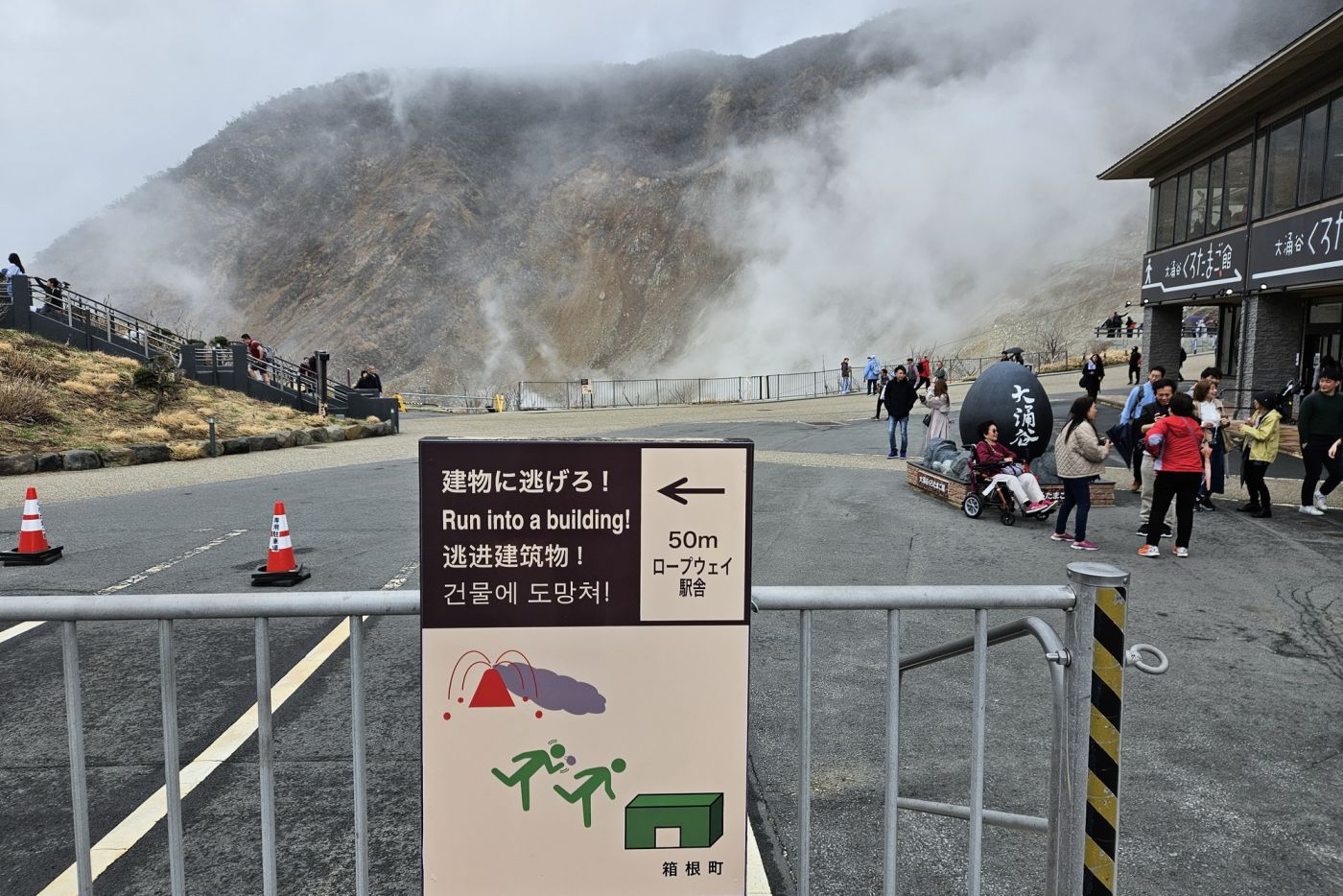
What makes this place so fascinating is its extraordinary landscape of active fumaroles and sulfurous hot springs. Here and there, steam rises through cracks in the rocks, enveloping the mountainsides in drifting clouds. Hot volcanic gases rich in sulfur and other geothermal compounds continue to escape from beneath the surface. The bright yellow sulfur deposits, clearly visible in many places, are unmistakable evidence of this ongoing post-volcanic activity. Through the dense steam, you can also make out the extensive stabilization works designed to reduce the landslides that continue to affect the slopes even today.
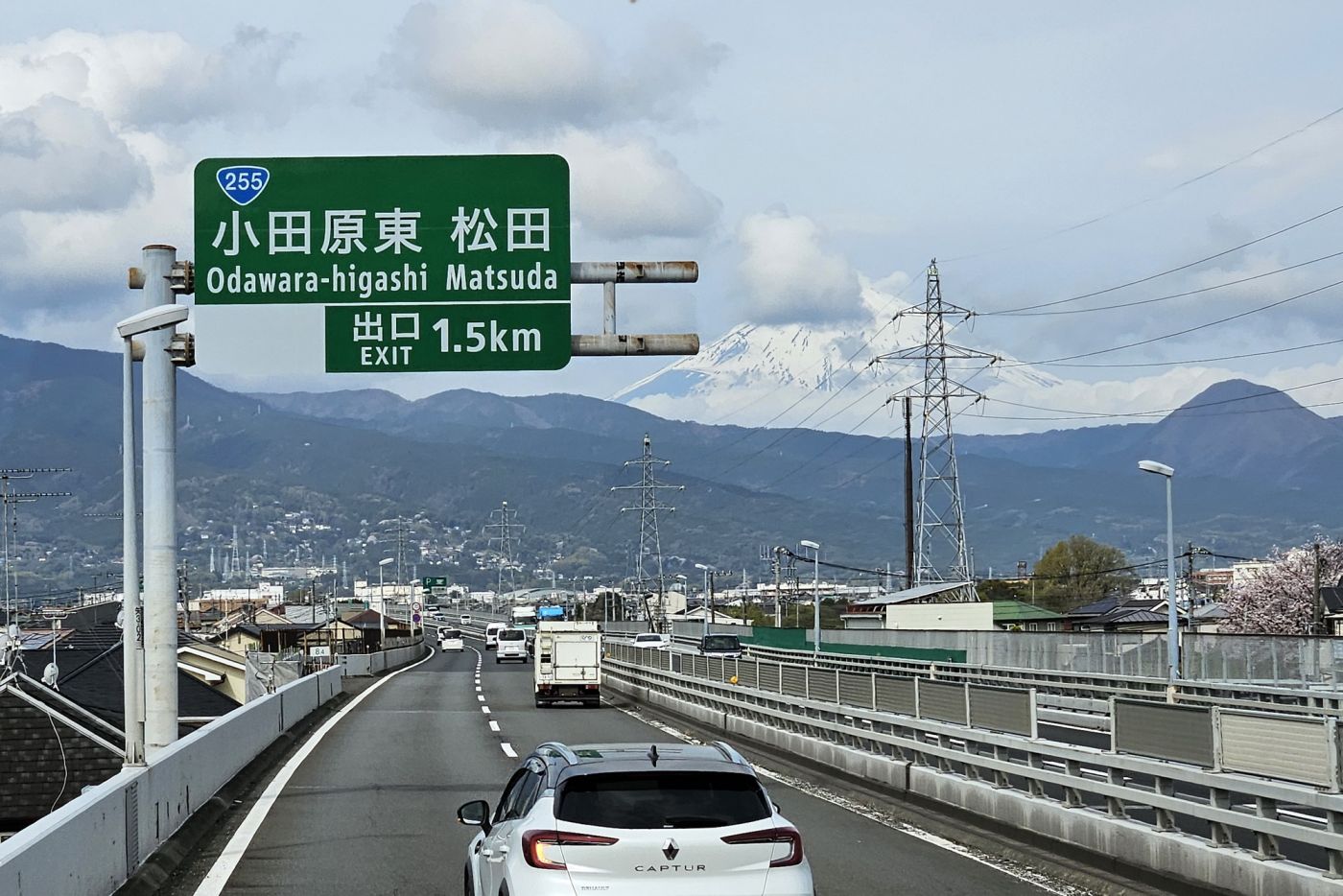
This strange and dramatic landscape has become a popular tourist destination, not only for observing volcanic activity but also for its spectacular views of Mount Fuji, Japan’s iconic peak—provided you’re lucky with the weather. Unfortunately, conditions were far from ideal on the day I visited. Low clouds, rain, and strong winds kept Fuji-san hidden for most of the day. I caught only a fleeting glimpse of its majestic silhouette through the clouds—just enough to reassure myself that it was really there.
For those seeking a more adventurous experience and a closer look at the fascinating world of volcanology, guided tours are available. Equipped with appropriate safety gear and accompanied by specialists, visitors can venture close to the areas where volcanic gases and steam escape from the earth at Ōwakudani.
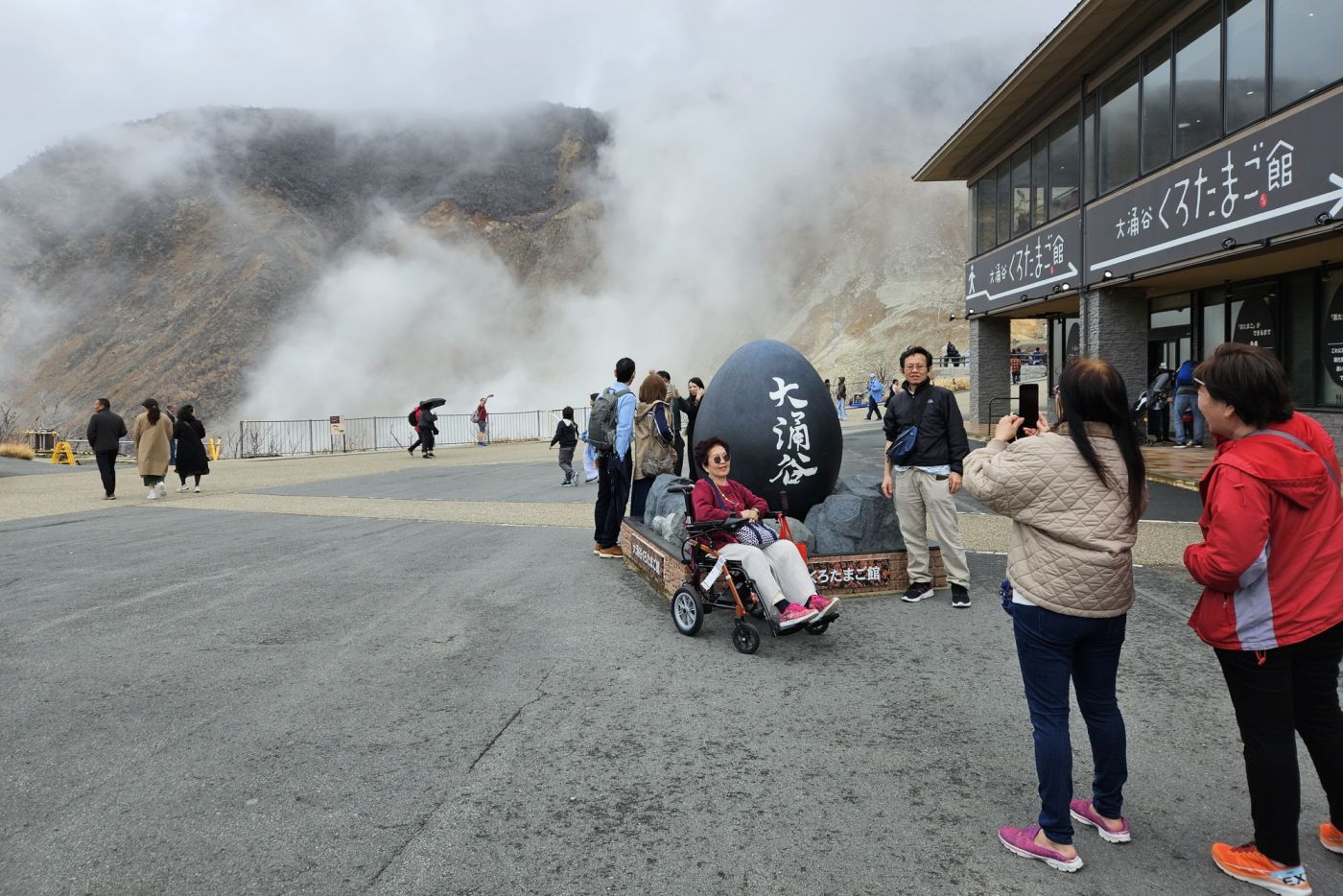
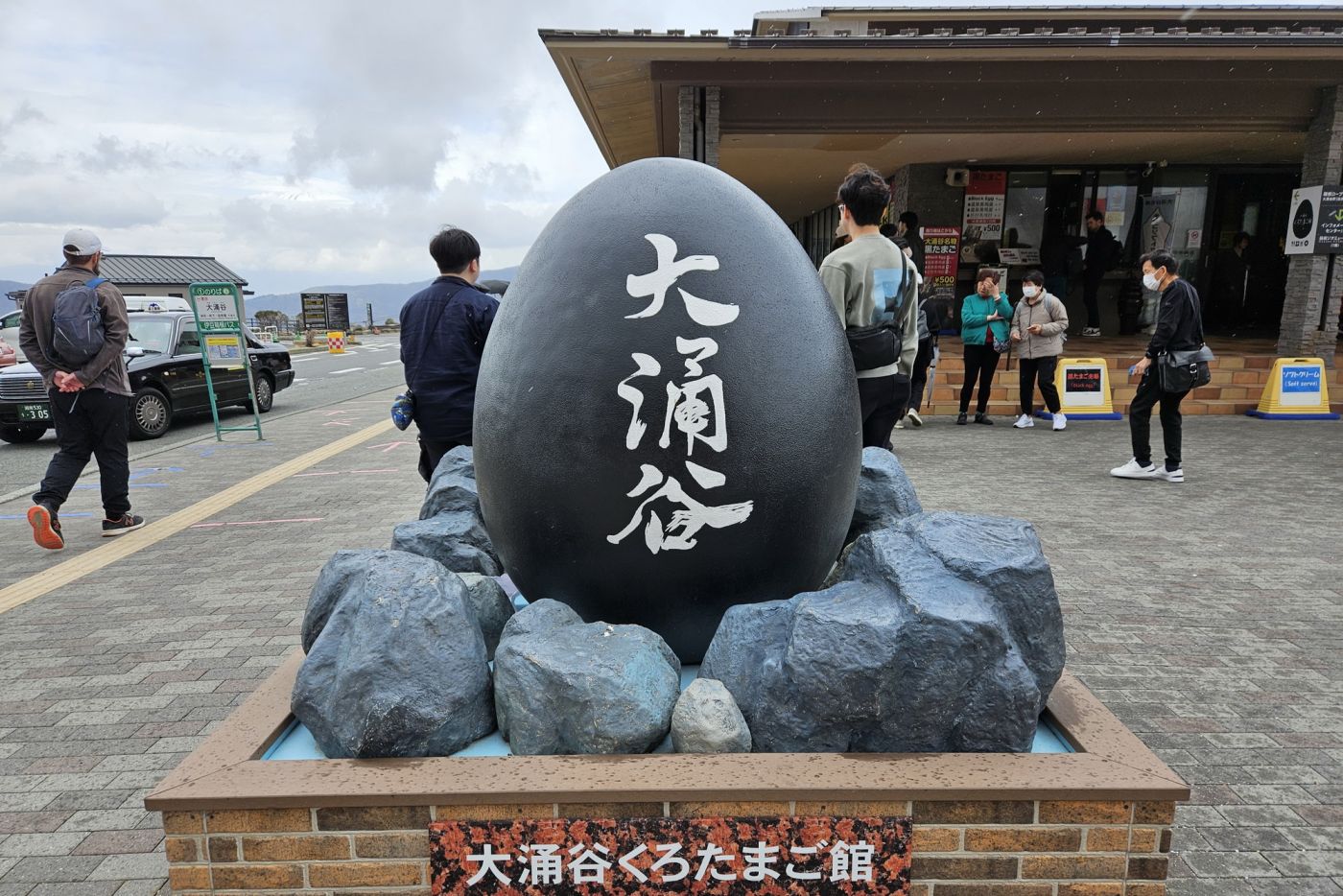
Even more remarkable is the opportunity to watch the famous kuro-tamago, or “black eggs,” being prepared. These local hard-boiled eggs are cooked directly in the geothermal hot springs or in the scorching steam emitted by the fumaroles, where temperatures can range from around 100 to as high as 800°C (212–1,472°F). Because they are boiled in mineral-rich waters with a high sulfur content, the eggshells turn black and acquire a faint sulfurous aroma.
Legend has it that eating one of these eggs adds seven years to your life. Personally, however, I believe it can be extremely risky to venture too close to the fumaroles, where concentrations of toxic gases can rise suddenly, creating a real danger of suffocation.
It was only my second day in Japan, so I wasn’t prepared to take such a risk for the sake of a boiled egg. After all, I still had so much left to discover on this unforgettable journey.
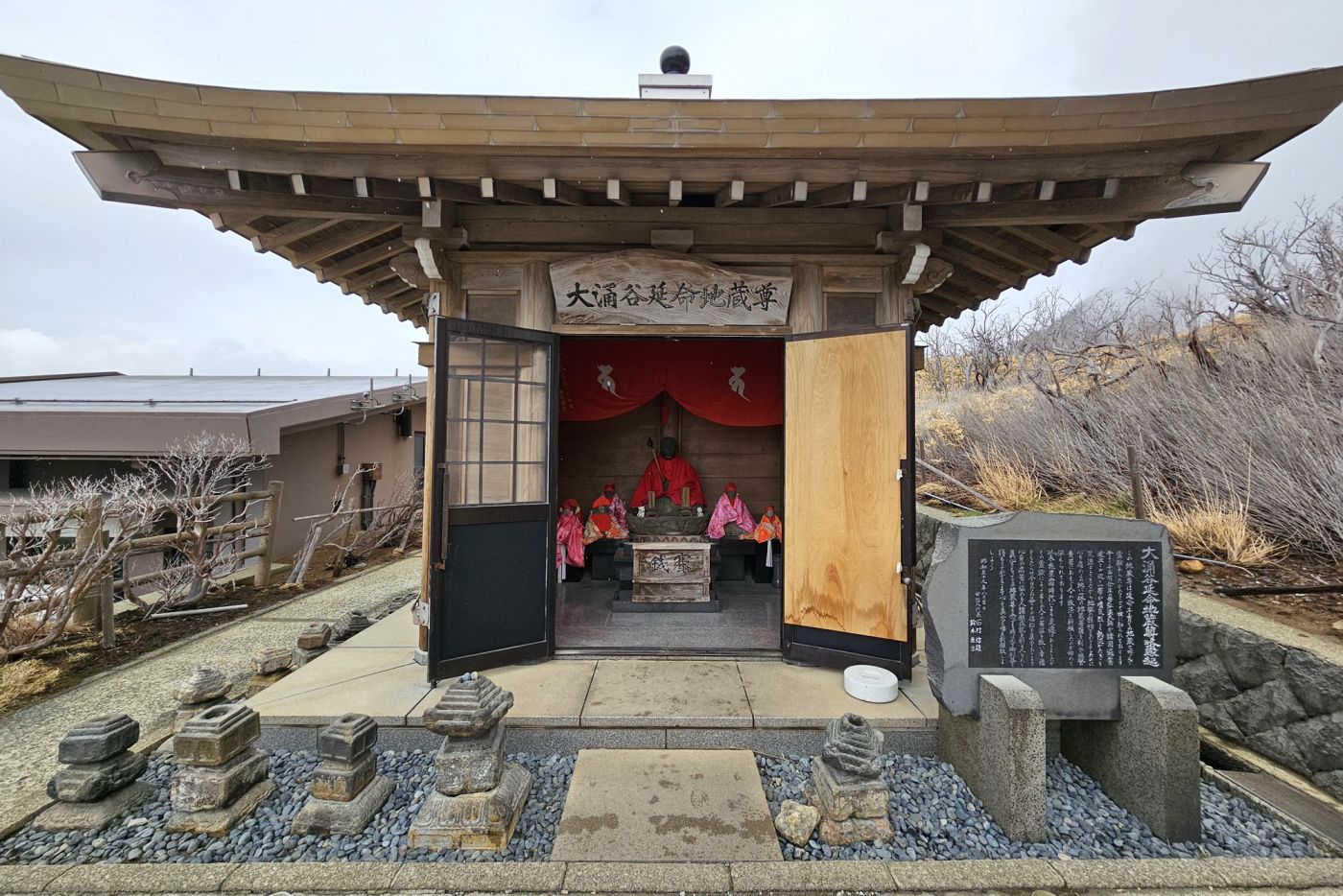
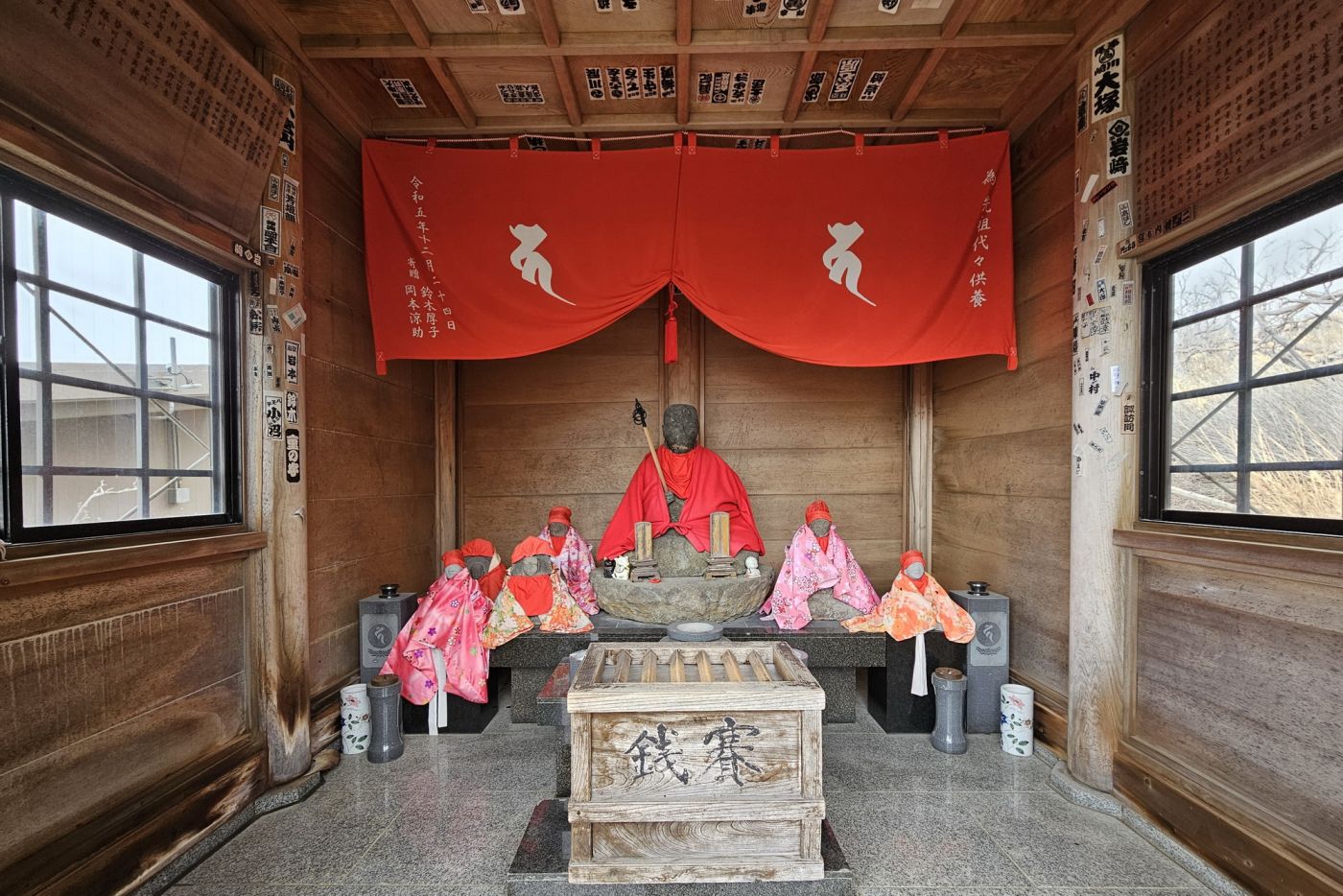
Photo gallery from Hakone – Japan, April, 2024
RO:
PĂMÂNT – APĂ – FOC
În timpul studiilor de Geologie, pe care le-am făcut la Universitatea Babes Bolyai din Cluj Napoca, am avut ocazia să învăț despre diverse procese geologice inclusiv despre vulcanologie.
Ulterior, în timpul călătoriilor pe care le-am făcut, am avut uneori ocazia să descopăr pe teren și să văd în practică, câte ceva specific, din ceea ce am învățat.
***
Hakone – Japonia
La micul dejun al hotelului din Ginza, celebrul cartier din Tokyo, erau de toate, doar că nu știai ce-or fi… nimic cunoscut..
Ajunși în Japonia abia cu o seară înainte, încă nu eram dezmeticit, ce e în jurul meu, în acea lume foarte diferită de ce cunoscusem eu până atunci…
…pe platori sau în boluri de porțelan erau aranjate, cu o precizie desăvârșită, fâșii de carne crudă de pește, fructe de mare, alge, felii aproape transparente de carne crudă de vită, asortate cu legume și fructe, despre care nici măcar nu aveam idee că existau, darămite să știu cum le zice sau ce gust or fi având. Pe plită se prăjeau diverse preparate, în oale mari erau supe. Priveam mirat de așa diversitate și mă întrebam: totuși, “un OU, un ou fiert nu găsesc?” (erau doar ouă crude, ce-i drept…)
Cine și-ar fi imaginat atunci că în curând urma să dau peste ouă în vârf de munte, fierte la aburi emanați de un vulcan activ?…
***
Vulcanul Hakone
Din punct de vedere geologic în Japonia sunt numeroși vulcani activi. Hakone este unul dintre aceștia.
Pentru a ajunge în zonă am traversat cu un vapor lacul Ashi, care s-a format în urma alunecărilor de teren din timpul unei erupții majore a vulcanului de acum 3000 de ani. De pe malul lacului se urcă cu o telegondolă până la altitudinea de 1044 m, unde este amenajat un punct de observație a văii Ōwakudani „Marea Vale Fierbinte”. Această vale situată pe conul vulcanului, prezintă și acum urmele evidente ale alunecărilor de teren produse succesiv, după explozia și erupția vulcanului Hakone de acum 3 milenii.
Interesant de văzut de aici este peisajul cu totul deosebit al văii cu fumarole și izvoare sulfuroase active. Din loc în loc, din fisurile rocii se ivesc fumarole, care emană aburi ce învăluie versanții. Se emană gaze fierbinți cu concentrații mari de sulf și alte substanțe specifice activității postvulcanice, geotermale. Dovadă sunt chiar depunerile de sulf, care se pot observa, cu galbenul specific. Pe versanți se întrevăd printre aburii groși, lucrări de consolidare care au scopul de a diminua alunecările de teren, care continuă și în prezent.
Acest peisaj straniu a devenit un loc turistic popular în special pentru observarea activității vulcanice, dar și pentru priveliștea pitorească spre Muntele Fuji, emblematic pentru Japonia. Asta dacă ai noroc de vreme bună… În ziua în care am fost eu acolo condițiile meteo nu au fost deloc favorabile. Plafonul de nori joși, ploaia și vântul l-au ținut ascuns pe Fuji San, a cărei măreție am întrezărit-o doar pentru o clipă printre nori, cât să mă conving că înt-adevăr e acolo.
Pentru cei interesați de o aventură și o incursiune în lumea vulcanologiei se poate face un tur ghidat, cu echipament adecvat, strict supravegheat de specialiști, până aproape de locurile unde sunt acele emanații vulcanice, la Ōwakudani.
Ba chiar mai mult, pentru a avea parte de o experiență cu totul unică poți vedea îndeaproape cum se prepară faimoasele kuro-tamago „ouă negre”, o varietate locală de ouă fierte tari, direct în izvoarele termale sau la aburul încins al fumarolelor, a căror temperatură poate oscila între 100 și 800 grade C. Deoarece sunt fierte în apele bogate în minerale, care conțin niveluri ridicate de sulf, cojile ouălor devin negre și emană un miros ușor sulfuros.
Cu toate că legenda spune că dacă mânănci un ou fiert din ăsta, se adaugă șapte ani la viață, eu sunt de părere că poate fi extrem de riscant să mergi prea aproape de aceste fumarole, unde concentrația de gaze toxice poate crește brusc și te poți asfixia.
Eram doar a doua zi de vacanță în Japonia așa că nu mi-am asumat un astfel de risc pentru un ou fiert, că doar mai aveam multe de descoperit în această călotorie!