
Contemporary “Grotesque”
A fresco of the world we live in
(*text în română mai jos)
Assisi, Italy
Recently, during a trip to Italy, I had the opportunity to visit the town of Assisi, in the Umbria region of central Italy. On that sunny afternoon in early May, I was pleasantly surprised to discover some of the picturesque charm of this place. The white stone buildings, clustered along the hillside, appeared almost golden in the harsh spring light. Walking up the narrow streets lined with medieval houses, I was drawn toward the small squares whose architectural gems included the Basilica of San Francesco, the Basilica of Saint Clare, and the Cathedral of San Rufino.
At the heart of the town, directly above the ancient Roman forum, in the famous Piazza del Comune, opposite the Church of Santa Maria built over the Temple of Minerva, stands the Palazzo del Comune, one of Assisi’s emblematic buildings. With its distinctly medieval architecture, constructed mainly during the 13th and 14th centuries, the complex served as the seat of the town’s civic administration for centuries.
Hidden Treasures
On the day of my visit, the building’s façade was concealed behind a large temporary grandstand made of metal scaffolding, erected for an event. Behind this structure, I caught sight of what appeared to be the entrance to an inner courtyard, which was in fact a vaulted space beneath the massive walls. In the dim light, contrasting sharply with the bright sunlight outside, I began to make out the aged plaster surfaces of the walls. Higher up, near the curve of the vault, I noticed small vaguely colored areas. Then, looking further upward, I could distinguish fragments of fresco.
Only then came the real surprise: the entire vaulted ceiling was covered with frescoes.
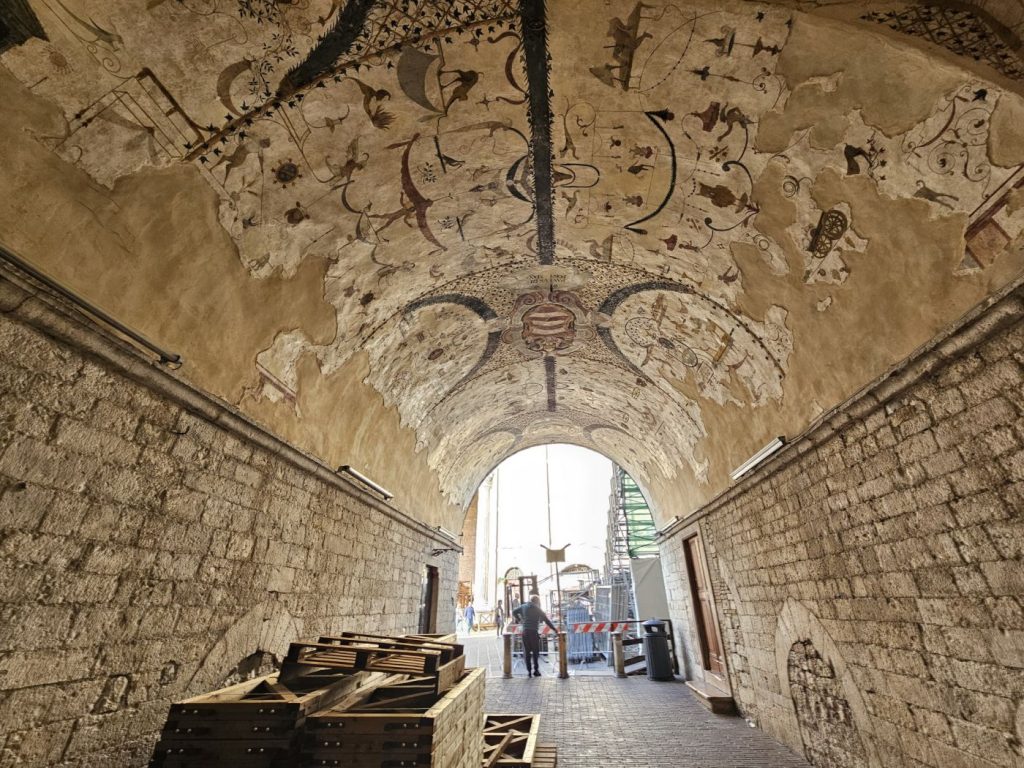
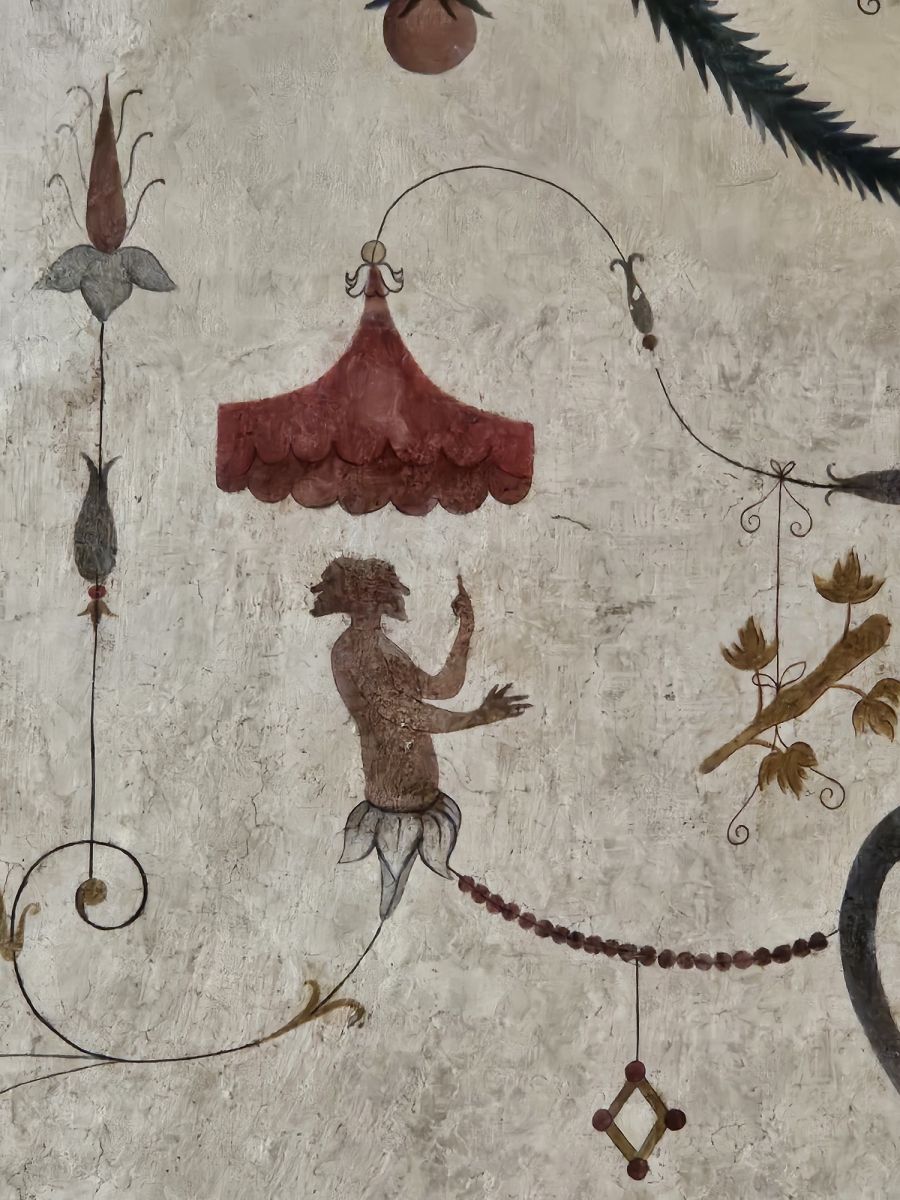
Volta pinta – Palazzo del Comune, Assisi, Italy
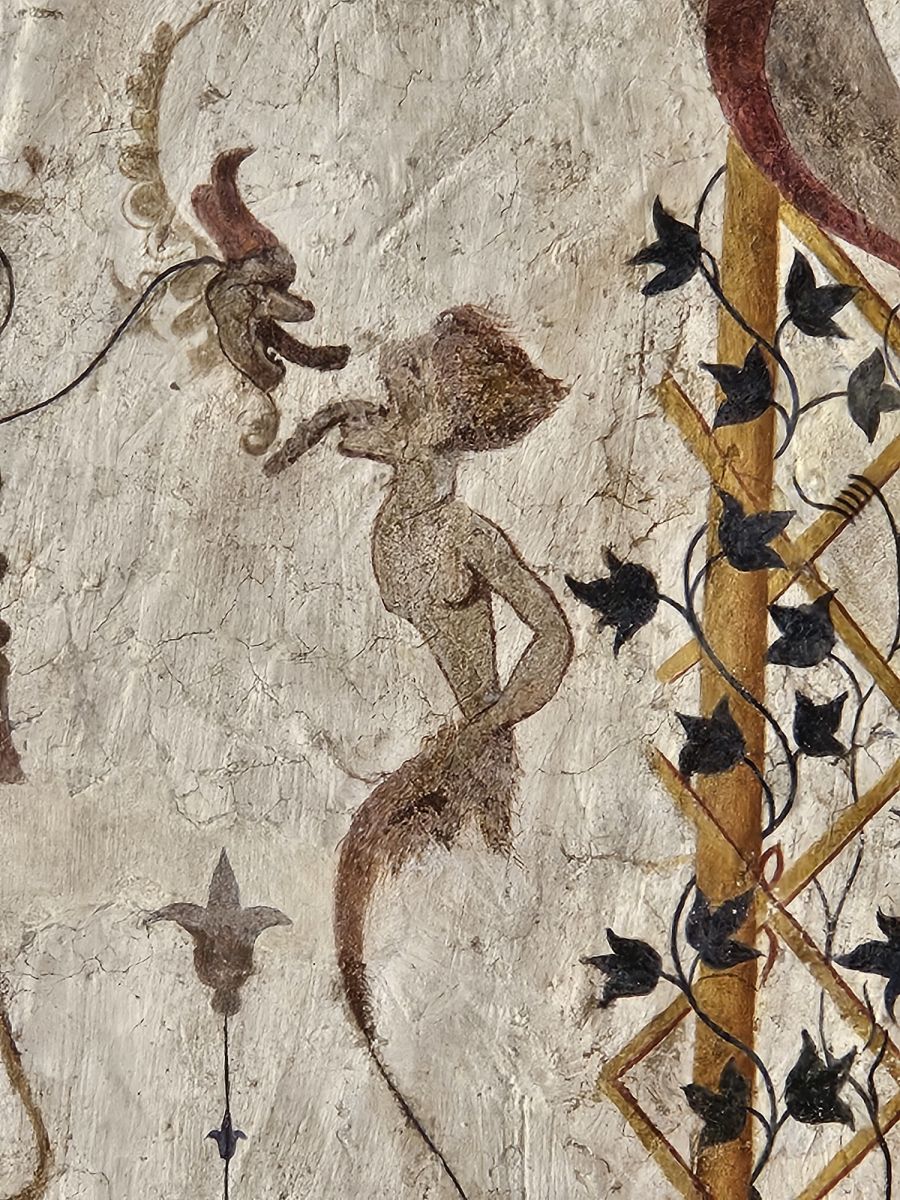
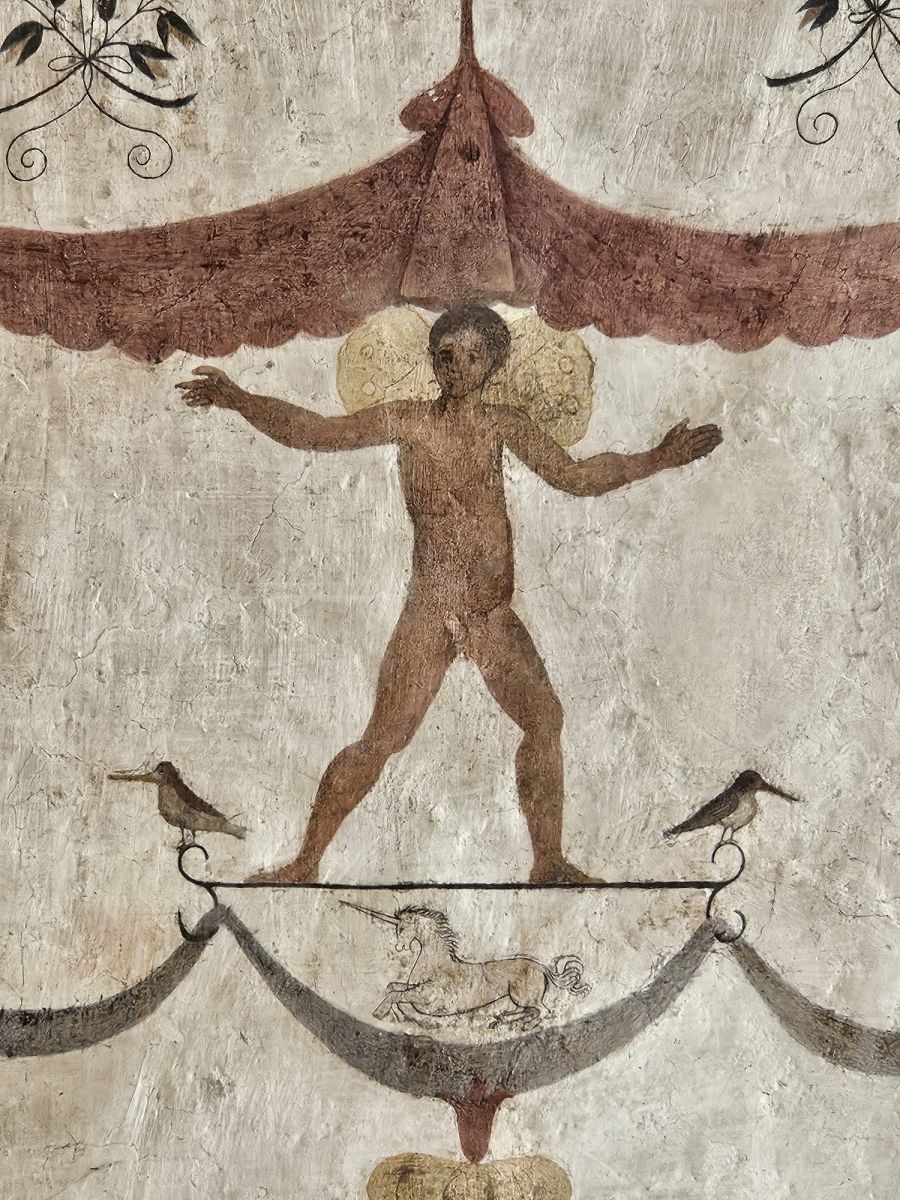
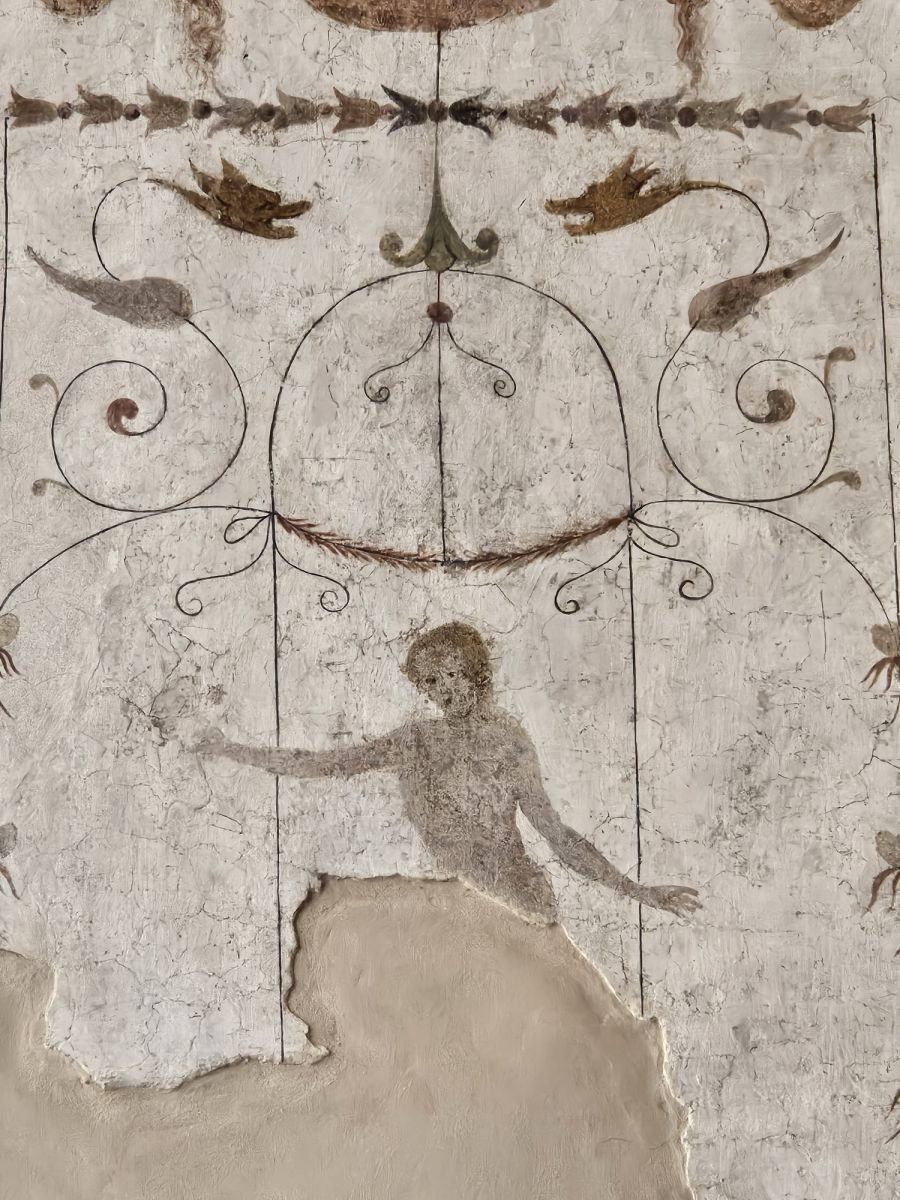
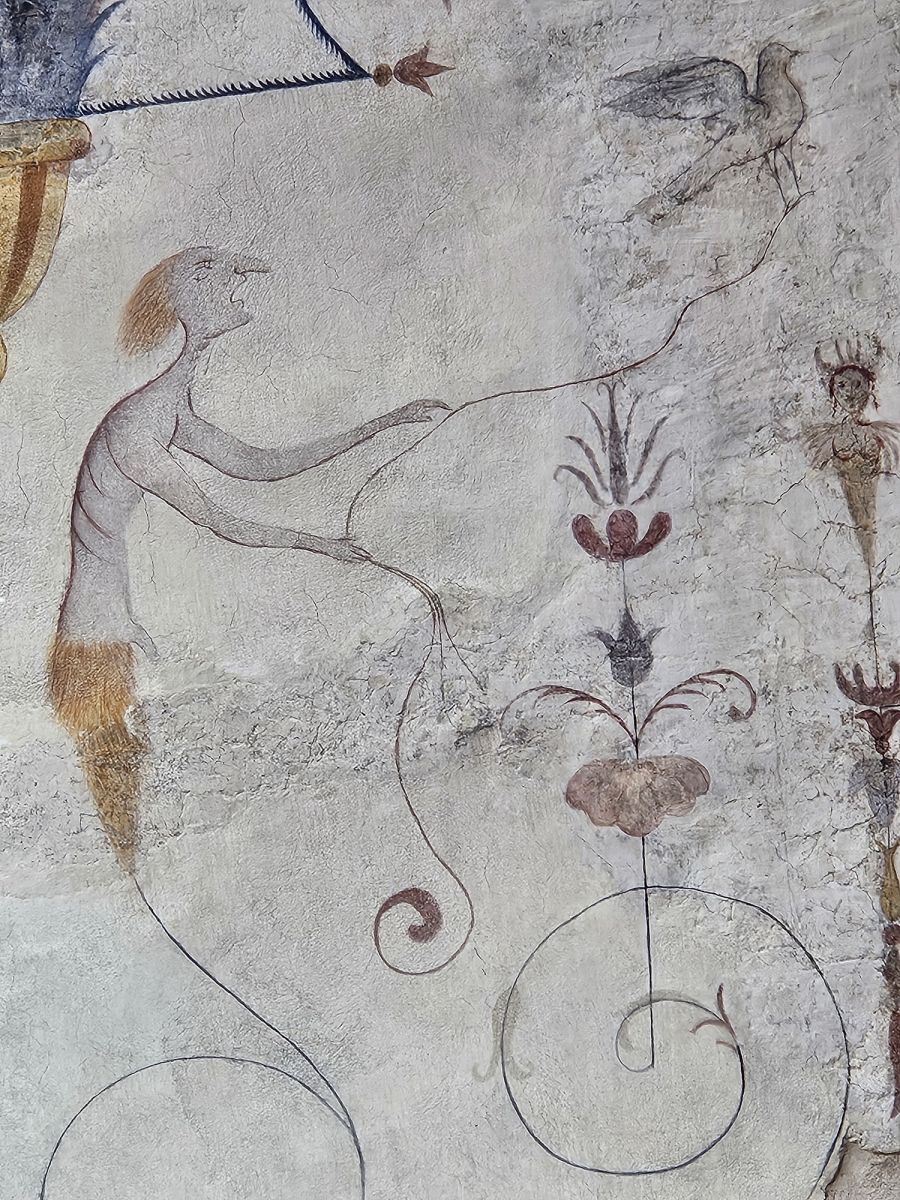
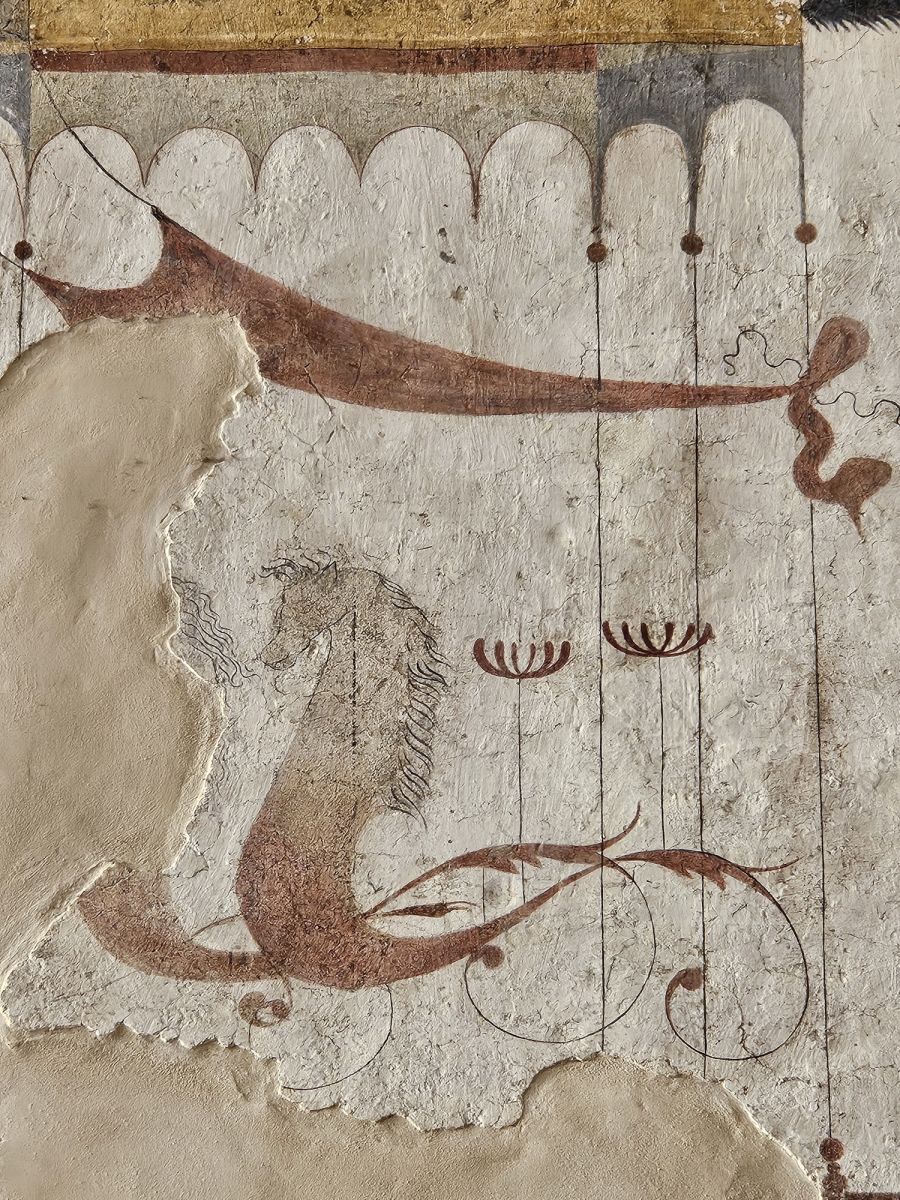
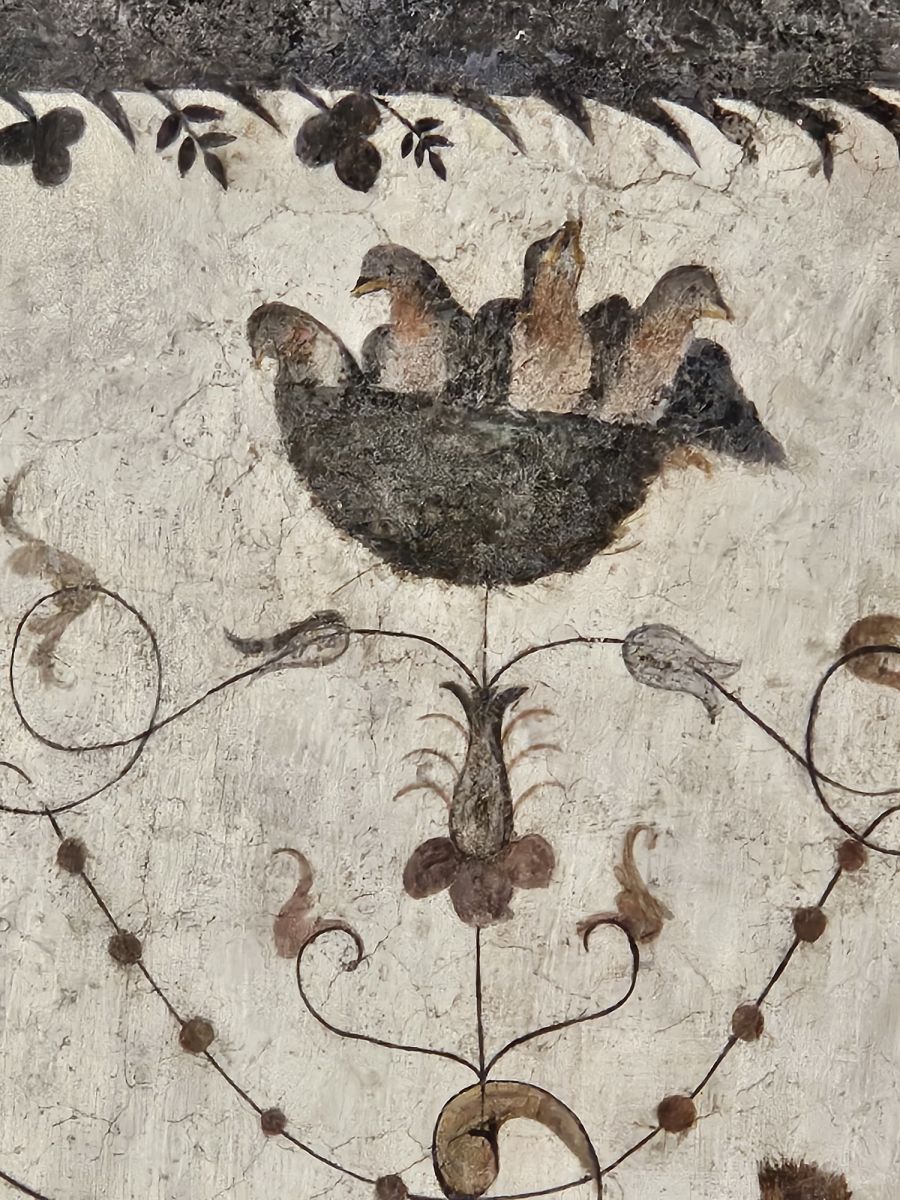
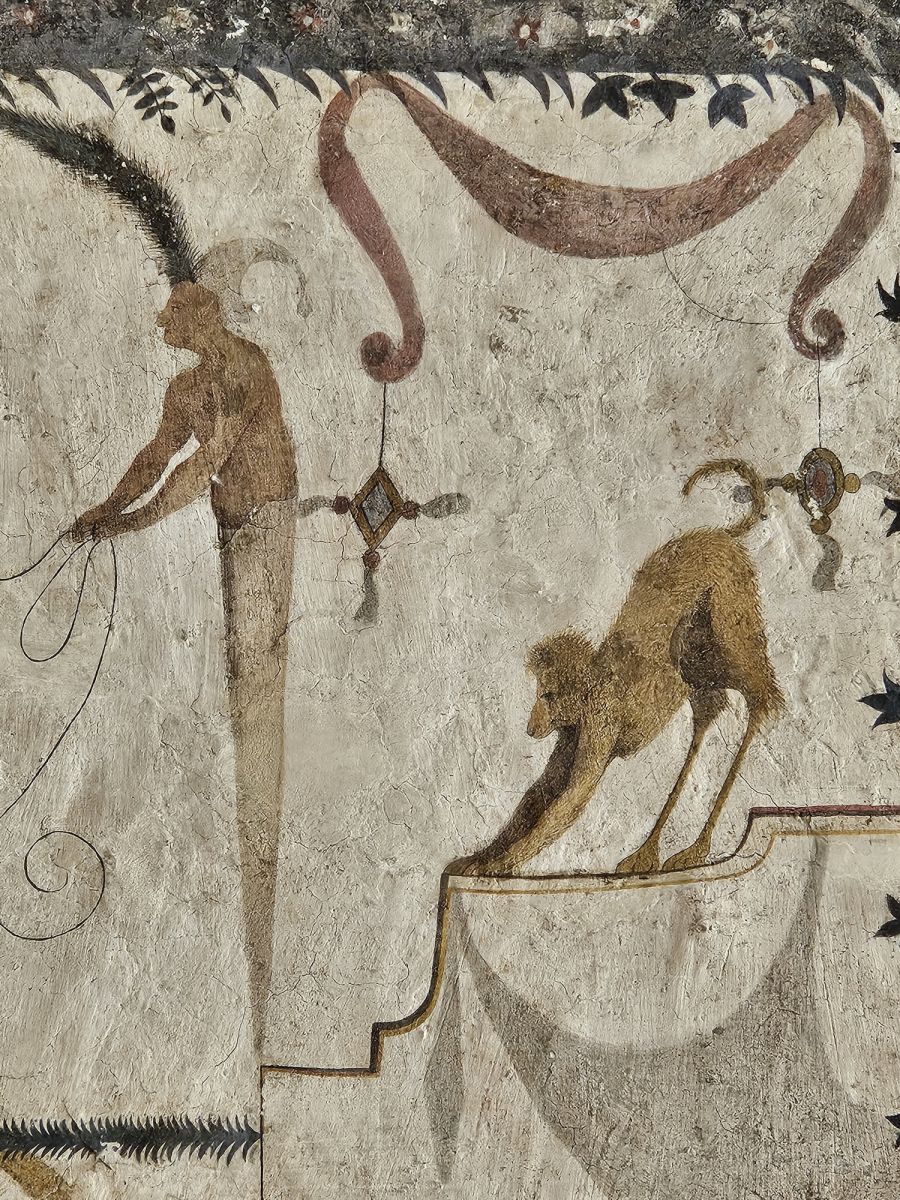
I was astonished by what I saw. Muted shades of ochre, brick red, sepia, grays, and in one place a trace of blue faded by time adorned graphic representations unlike anything I had ever seen before. In an elaborate composition dominated by symmetry, fantastic combinations of distorted human figures, strange animals, plants, and garlands connected one frame to another, flanked fragments of Latin text, or linked masked characters in an unreal play populated by imaginary creatures, some even monstrous. The scenes ranged from playful and ironic representations to fantastic, sometimes erotic combinations marked by comic and even bizarre distortions. All of this was painted with extraordinary mastery!
After recovering from this imaginary journey, like a dream that had carried me into past centuries, I discovered an inscription that provided some clarification.
The text describes a painted vault (“volta pinta”) located beneath the Palazzo del Comune in Assisi’s main square. The fresco dates from 1556 and is noteworthy because it combines Renaissance humor with influences from ancient Roman art.
According to the inscription, the town’s apostolic governor commissioned the decoration of the vault with grotesques (“decorazione a grottesche”), humorous motifs inspired by the ancient Domus Aurea of Emperor Nero. A payment is mentioned to “Raphael painter,” probably identified as Raffaello Coda, a painter active in Assisi and other Umbrian towns during the sixteenth century. He does not appear to be particularly famous today, but he is mentioned in local documents from the period.
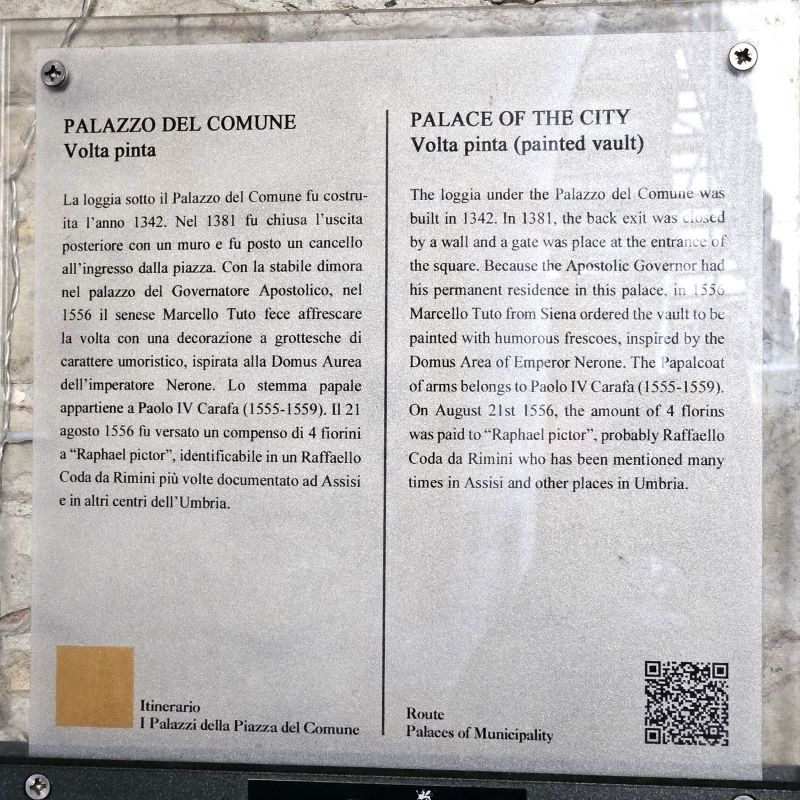
This fresco is significant because it preserves the direct influence of the rediscovery of ancient Roman art and demonstrates how Renaissance style spread even to smaller towns. Interestingly, its decorative motifs were inspired by frescoes rediscovered in Rome at the end of the fifteenth century, when several artists descended into the ruins of Nero’s Domus Aurea, one of the most luxurious complexes of antiquity. They copied the ancient ornaments and later incorporated them into Renaissance fresco painting.
In fact, the term “grotesque” itself originates from grotte—the underground ruins where these paintings were found. Grotesque imagery appears in many periods and artistic styles, from ancient Rome to Surrealism.
Thus, an archaeological discovery made in Rome during the fifteenth century directly influenced the decoration of a medieval building in Assisi almost 1,500 years after Nero.
Photo gallery with fresco details that inspired me in the first stage
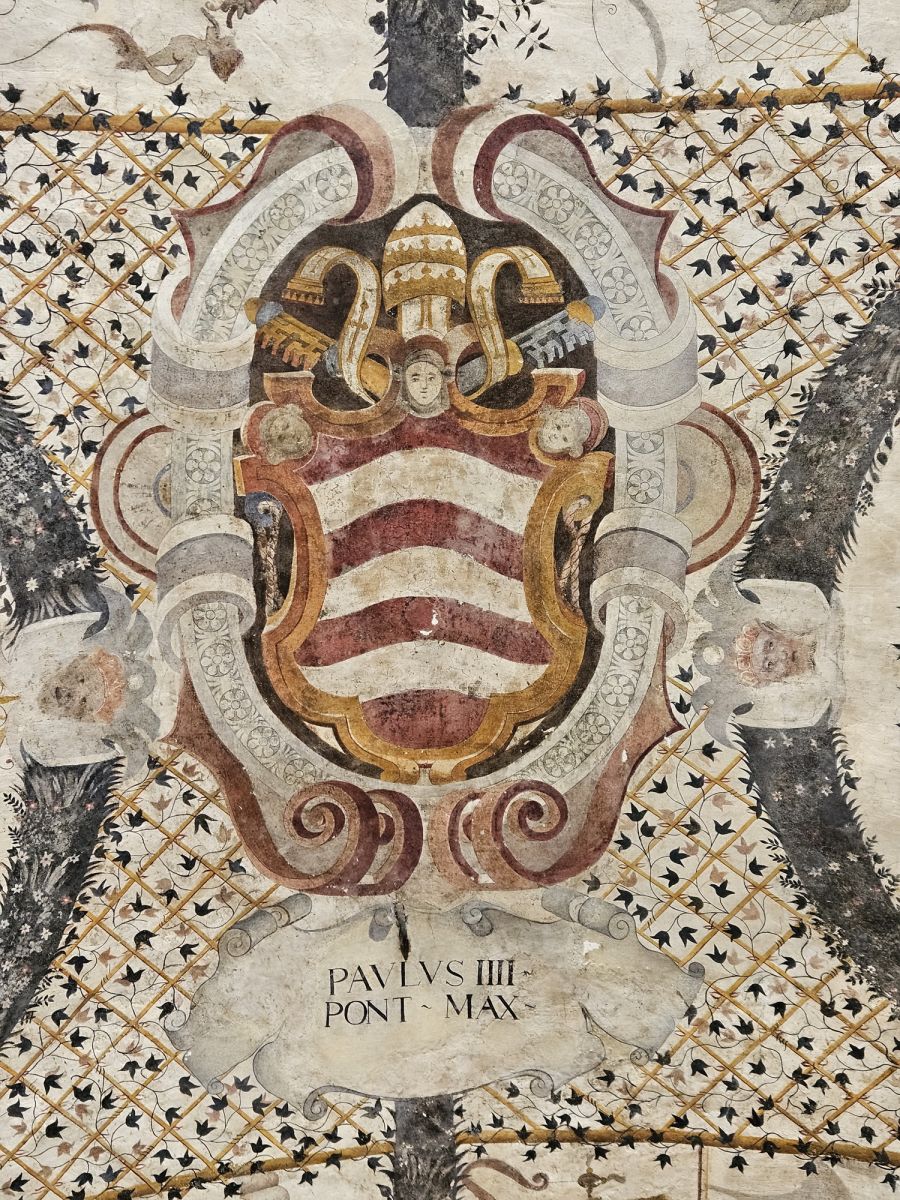
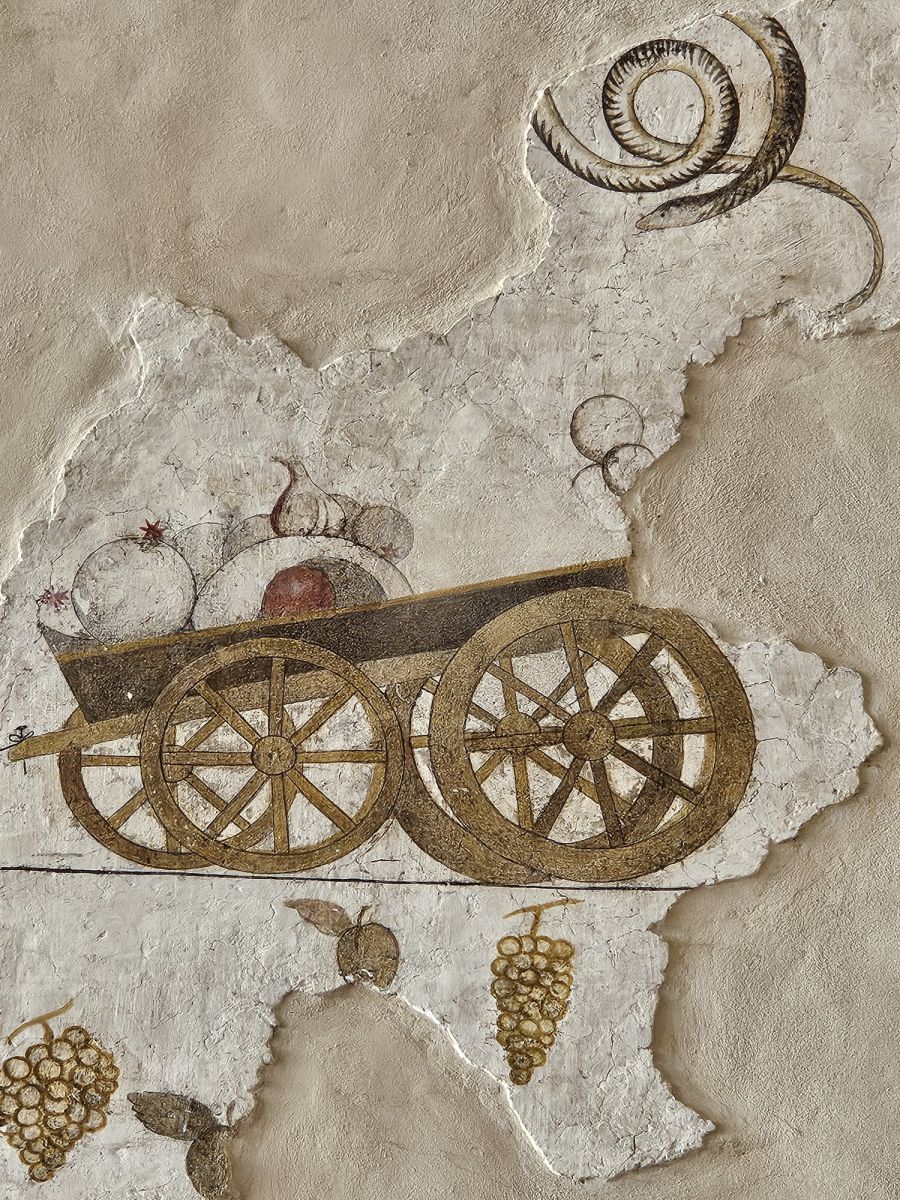
Contemporary Illustrations
Impressed by what I had discovered, I decided that now, another five hundred years later, I would complement these ancient elements with contemporary symbols characteristic of our own era, rendered in a somewhat similar manner.
Details from the Assisi fresco, certain characters and animals depicted there, inspired me to place them in a modern context and to suggest the condition of contemporary humanity – what people face today and the aspects of reality they experience in a rapidly changing world marked by an increasingly hectic pace of life. The symbols I use refer to geopolitical issues, conflicts, and wars that affect us more and more.
Paradoxically, as technology develops exponentially, human beings become increasingly vulnerable and isolated, suffering from stress and depression. Social media networks, in which people often lose themselves, encourage them to retreat into a bubble detached from reality.
Their actions are frequently influenced by manipulation, propaganda, and disinformation. Consumerism tempts them to desire EVERYTHING, driving them to buy impulsively and excessively while gradually distancing themselves from spirituality.
In this way, they are given the opportunity to experience the contemporary grotesque.
Technique: A. Gallo Colors made in Assisi
From a technical perspective, I can say that I made another remarkable discovery in Assisi: A. Gallo Colors watercolors. These are handmade there from natural pigments. From the very first test, their quality proved exceptional. The pigments belong to the extra-fine range, offering extraordinary transparency, saturated or muted hues with natural undertones, and colors with granulation that creates distinctive and unusual effects.
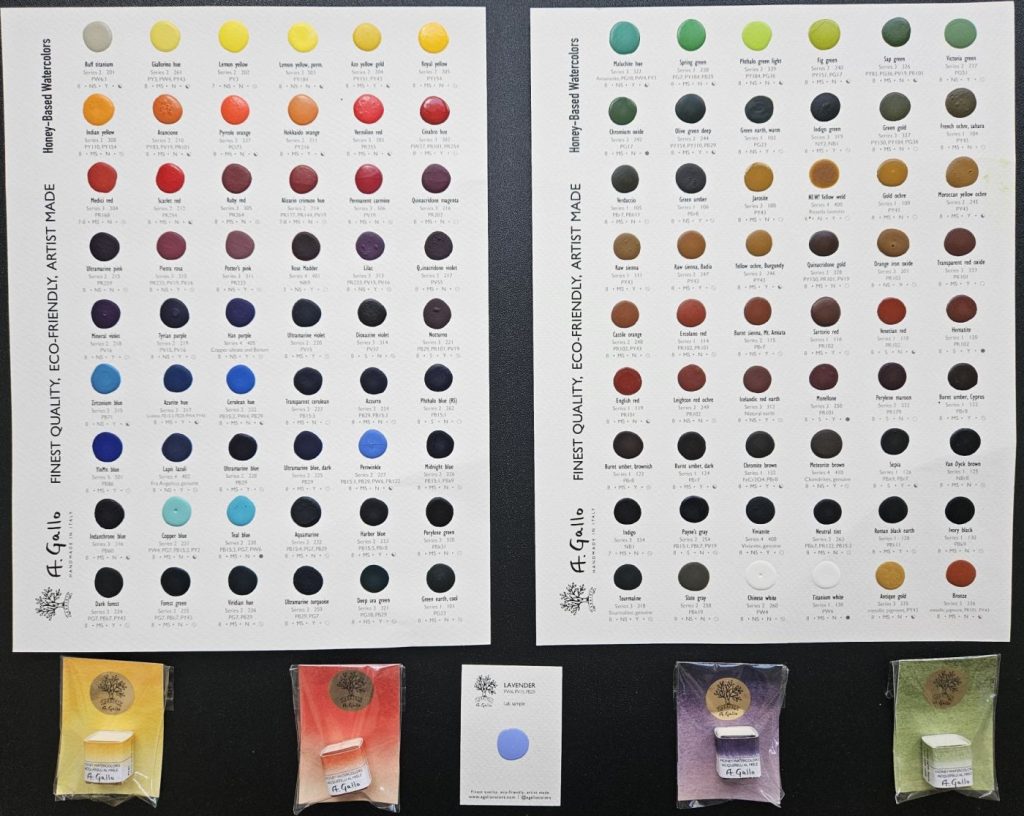
What could be more appropriate for this new series of illustrations than to use watercolors produced on site, not far from the celebrated fresco in Assisi itself? The paper is also Italian – Magnani Annigoni, 250g/m, size 24×30 cm.
Series of illustrations on the theme of “contemporary grotesque”
(these illustrations are sketches for larger works)
(aceste ilustrații sunt niște schițe pentru lucrări de dimensiune mai mare)
– work in progress
***
“America First“
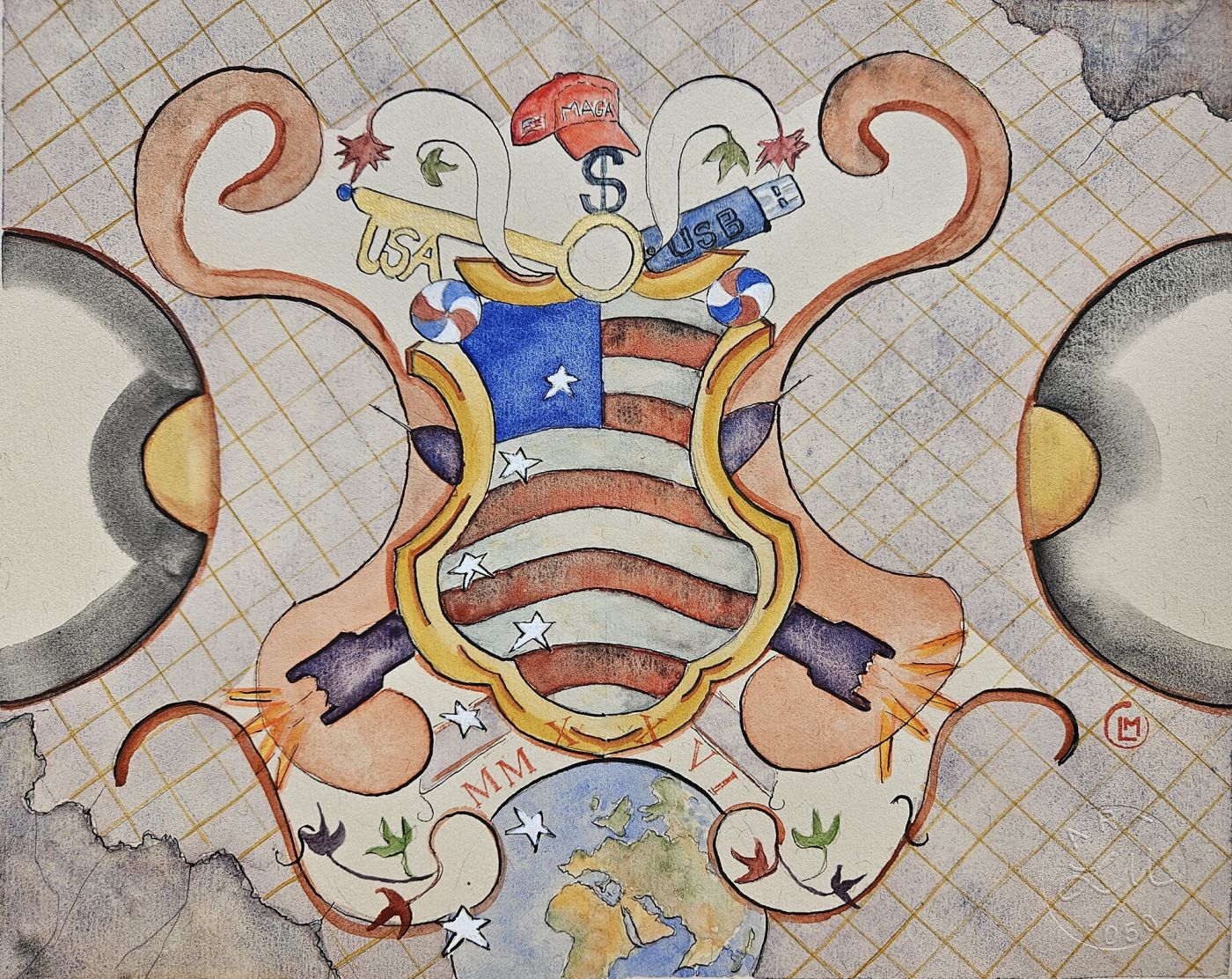
“America First” is the new nationalist political doctrine and diplomatic strategy of the United States, embraced by the administration of President Donald Trump. Through this approach, the U.S. has increasingly prioritized its economic, political, and security interests while asserting its supremacy at all costs. Both the power derived from its status as a global leader and its financial, technological, and military strength are prominently displayed through rhetoric and concrete actions alike. Trade tariffs are being renegotiated, political and military alliances – even with traditional allies – are being reconsidered, territorial claims are being advanced, and military interventions or even direct wars are waged against perceived adversaries.
“America First“
“America First” – este noua doctrină politică și strategie diplomatică naționalistă a Statele Unite ale Americii, asumată de administrația președintelui Donald Trump. Prin aceasta, în ultima perioadă, SUA își prioritizează interesele economice, politice și de securitate, și își etalează cu orice preț supremația. Atât puterea pe care i-o confirmă statutul de lider mondial, cât și cea financiară, tehnologică și chiar militară, sunt scoase în prim plan în discursuri, dar și acțiuni concrete. Se renegociază taxe comerciale, se rediscută alianțe politico-militate chiar și cu aliații tradiționali, se lansează pretenții teritoriale, iar în cazul inamicilor se intervine militar sau chiar se duc războaie directe.
***
The Car – A Modern Temptation
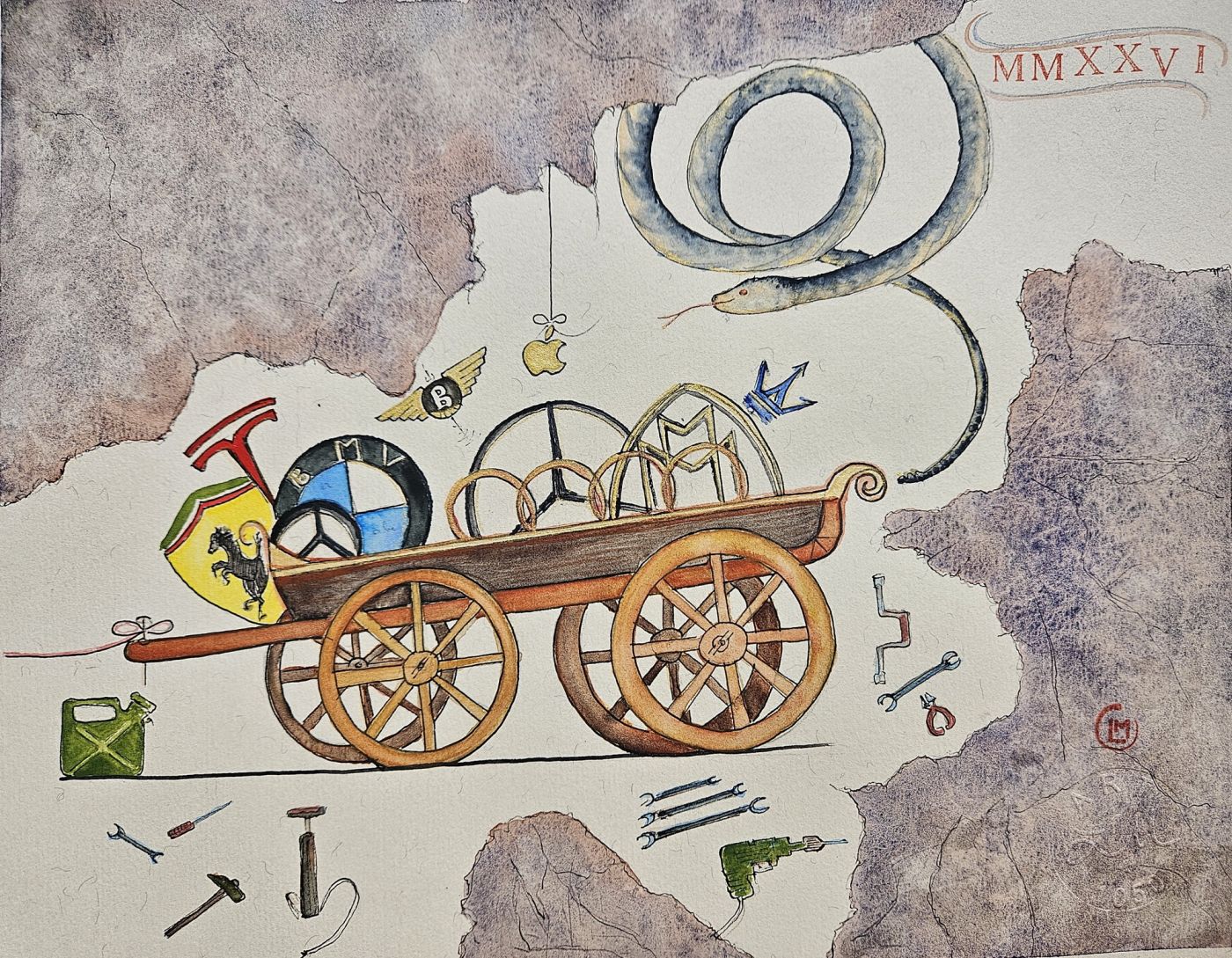
With the rise in living standards, prosperity, industrial development, and later technological progress, the automobile has become indispensable. It is now a necessity. Today, we might even wonder how we could live without the Car. Rarely do we think first about pollution, accidents, or sedentary lifestyles; instead, we focus on the comfort, mobility, and sense of self-worth that comes with being a driver. The car has also become a symbol of wealth, luxury, and social status. Luxury automobile brands continuously launch increasingly exclusive and powerful models to satisfy human vanity.
Mașina – ispita modernă
Odată cu dezvoltarea nivelului de trai, al bunăstării și a eveluției industriale și mai apoi tehnologice, automobilul a ajuns indispensabil. Este o necesitate. În prezent chiar ne putem întreba oare ce ne-am face fără Mașină? Și, desigur, nu ne gândim cu prioritate la poluare, la accidente, la sedentarism, ci doar la confortul, ușurința deplasării și la stima de sine pe care ne-o conferă statutul de șofer. Mașina a ajuns chiar un mod de etalare al avuției proprii, a luxului, a statutului social. Mărci auto de lux scot modele după modele tot mai exclusiviste și mai puternice, pentru a satisfice vanitatea oamenilor.
***
The Flatterers of Propaganda
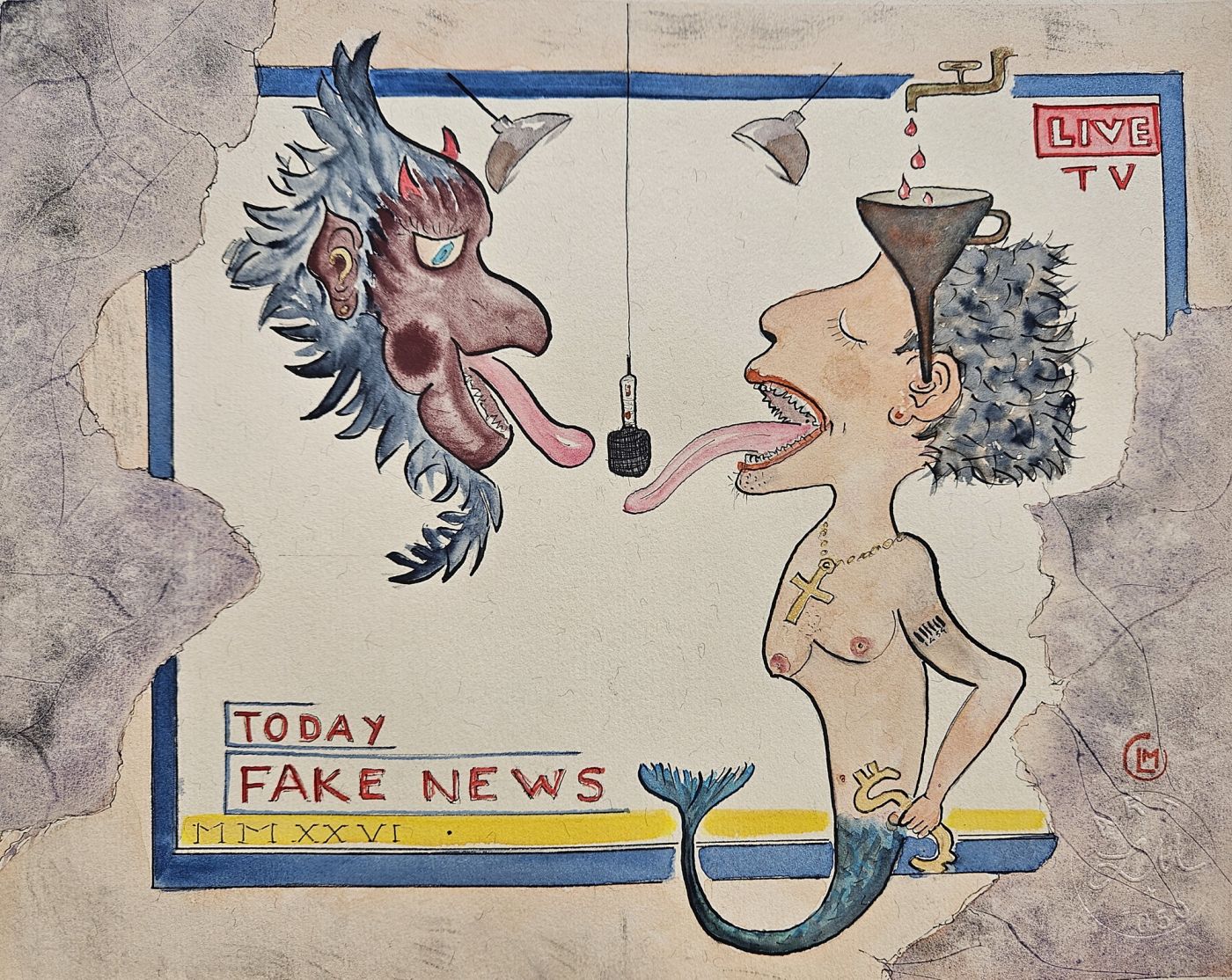
We are currently witnessing an invasion of fake news across all channels of information – from public speeches and television debates to news websites and social media platforms. Their purpose is to spread disinformation, undermine trust in institutions, fuel fears, and promote conspiracy theories and extremist ideologies. Some individuals consciously, or perhaps unconsciously, assume this manipulative role. Some are even what Lenin called “useful idiots.” Driven by financial interests and lacking scruples or moral principles, they publicly transmit whatever they are instructed to say or whatever is whispered in their ears. In doing so, knowingly or blinded by fixed ideas, they serve malicious individuals, dangerous organizations, or even the interests of states seeking to divide people and weaken democracy. This species of “propaganda flatterers” is probably not new; it merely possesses tools today unlike any in the past. Freedom of expression is important, but that does not mean every opinion necessarily matters or deserves equal consideration.
Lingăii propagandei
Asistăm în prezent la o invazie de știri fale pe toate canalale de informare. De la discursuri publice, la dezbateri TV, pe site-uri de știri ori pe rețelele social media. Acestea au drept scop dezinformarea, instaurarea neîncrederii oamenilor în instituții, alimentarea temerilor, răspândirea unor idei conspiraționiste și a unor curente extremiste. Sunt unii care își asumă voit sau poate inconștient acest rol, care are efect manipulator. Unii sunt chiar „idioți utili”. Mânați de interese financiare, neavând scrupule, nici principii morale, transmit public tot ce li se comandă, sau li se toarnă în ureche. Deservsec astfel, cu bună știință sau orbiți de idei fixe, niște oameni malefici, organizații periculoase sau chiar interese ale unor state ce își urmăresc scopul de a dezbina oamenii și democrația. Probabil că aceasta specie de “lingăi ai propagandei” nu este nouă ci doar are acum mijmoace cum nu au mai fost în trecut. E drept că avem libertate de expresie, dar asta nu înseamnă că orice opinie chair contează și merită luată în seamă!
***
Contemporary Man
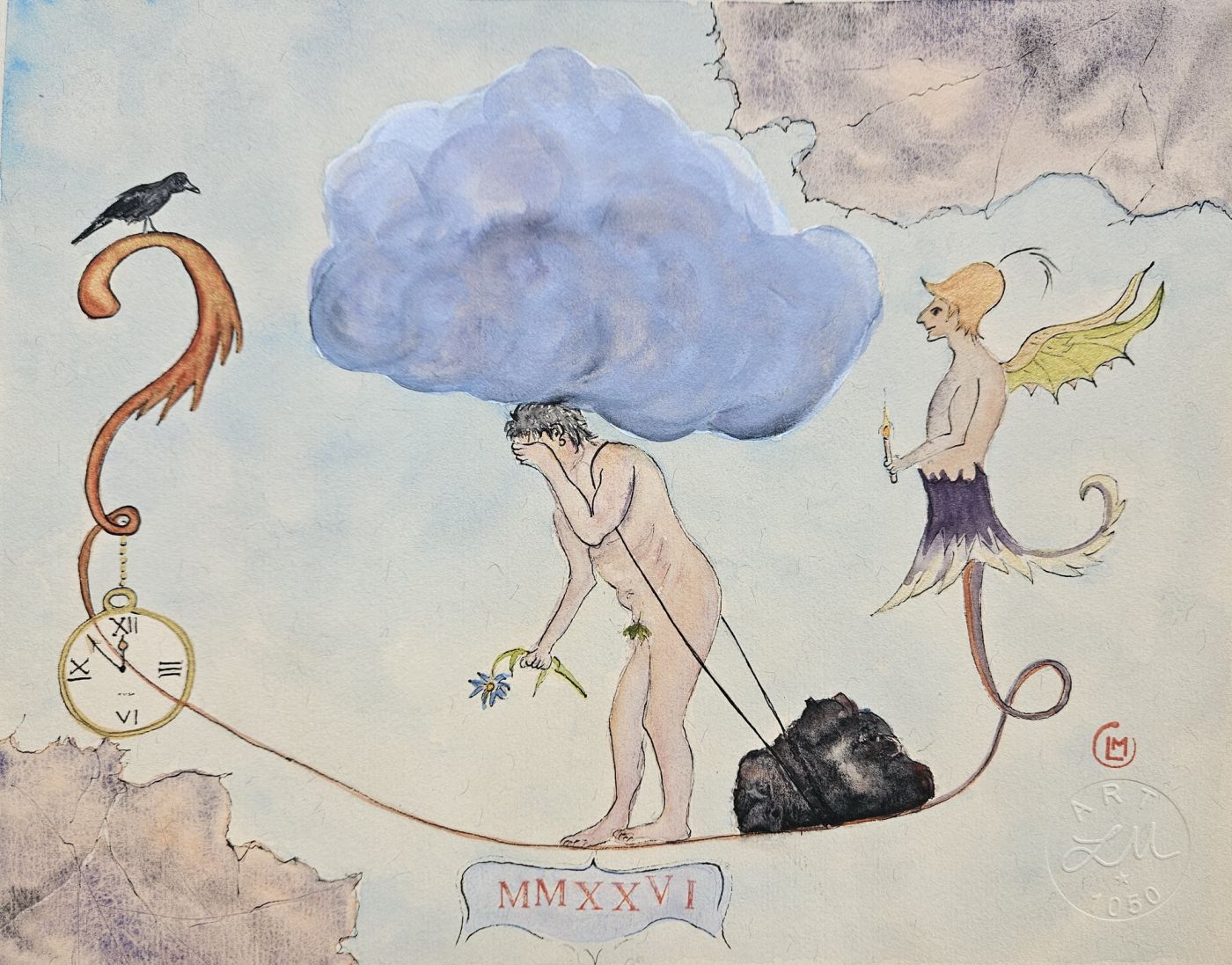
Stress, uncertainty about the future, the risk of losing one’s job, economic instability, concern for children and family, and the fear of war are factors that clearly affect modern life. Anxiety, addictions, depression, and other mental health disorders are appearing in increasingly younger people. More isolated, vulnerable, and fragile than ever, overwhelmed by worries, the individual walks uncertainly along the line of life, maintaining a precarious balance while moving toward an uncertain future.
Omul contemporan
Stresul, nesiguranța zilei de mâine, riscul pierderii locurilor de muncă, incertitudinea economică, grija pentru copii și familie, teama de războaie, sunt factori care afectează în mod clar viața omului modern. Stări de anxietate, adicții, depresii și alte tulburări psihice, apar la oameni din ce în ce mai tineri. Tot mai însingurat, vulnerabil și fragil, copleșit de griji, omul pășește nesigur pe linia vieții, într-un echilibru precar, spre un viitor incert.
***
The (In)Dependent Woman
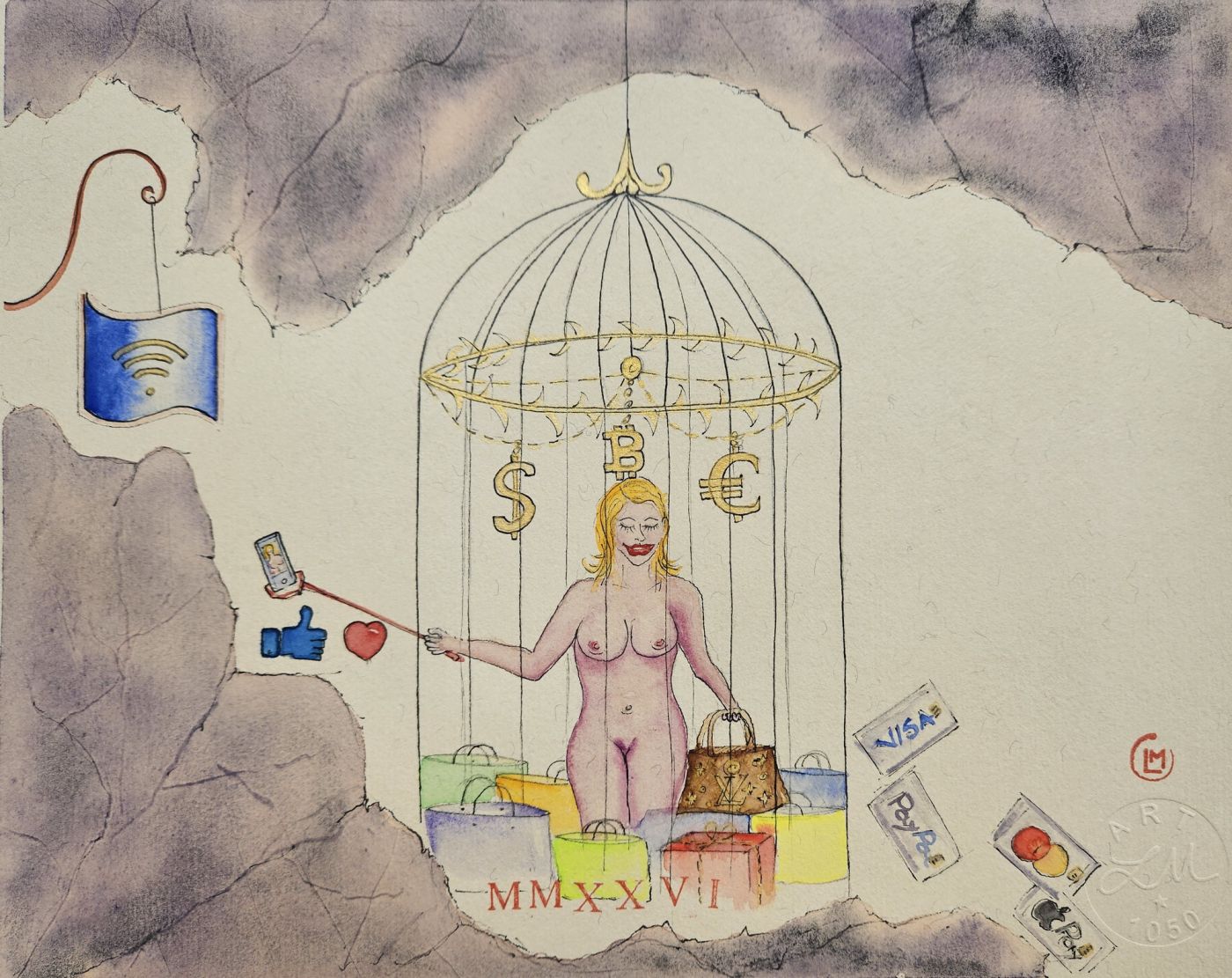
She is the center of her own universe. Apparently free and financially independent, she often lives trapped within a self-created reality—a bubble detached from the world, customized according to the fashions of the age. She decorates her gilded cage with everything she desires. Obsessed with her appearance and perpetually dissatisfied with how she looks, she beautifies herself, embellishes herself, and even “updates” herself through cosmetic surgery here and there – almost everywhere. She constantly feels she has nothing to wear and therefore compulsively buys clothes, preferably designer labels and luxury brands. The mirror in which she once admired herself has been replaced by selfies. These allow her to be seen by millions of followers on social media—not as she truly is, but as she wishes to be perceived. In this context, naturalness has little place left.
Femeia (in)dependentă
Ea e centrul propriului univers. Aparent liberă și independentă financiar, ea trăiește captivă în propria viață, uneori o bulă desprinsă de realitate, pe care și-a personalizat-o după moda vremii. Își decorează colivia poleită cu tot ce își dorește. Preocupată până la obsesie de propriul corp, veșnic nemulțumită de cum arată, se aranjează, se dichisește, ba chiar se updatează prin operații estetice, pe ici-pe-colo, mai peste tot. Permanent are impresia cu nu mai are cu ce să se îmbrace, ca atare își cumpără compulsiv haine, de firmă desigur, branduri de lux. Oglinda în care se admiră a schimbat-o cu selfie-uri. Acestea o ajută să fie văzută de milioane de urmăritori pe rețele sociale, nu să se vadă așa cum e, ci cum își dorește să fie percepută… Naturalețea nu prea mai are ce căuta în acest context.
***
The Demon of War
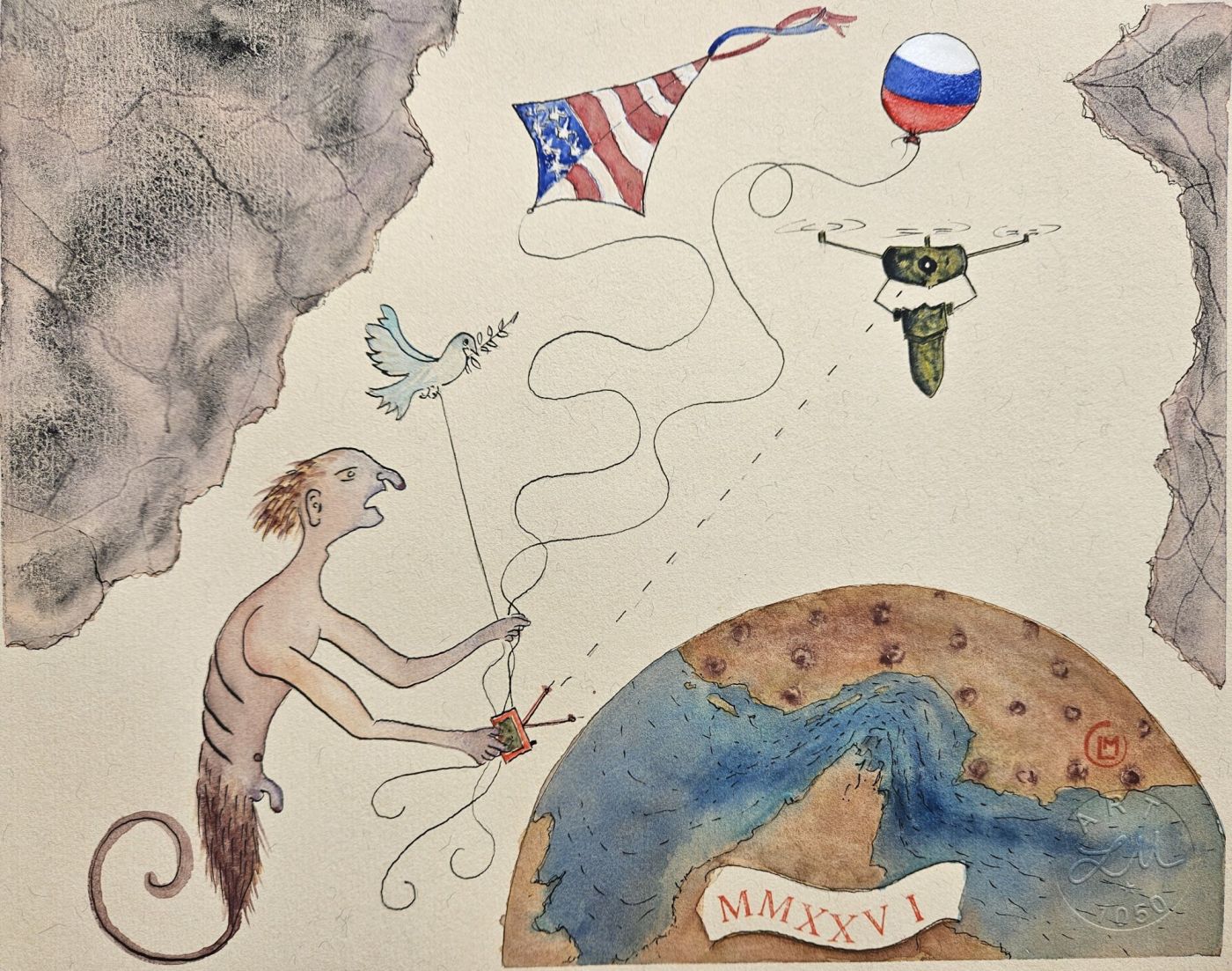
Malevolent by nature, he plays with the minds of powerful leaders with dictatorial tendencies and perhaps whispers to them in their dreams: “Do you want your name to remain in history? Do something great. Make yourself feared. Wage wars. That way, the whole world will remember your name. Tell them you are fighting for peace.”
Demonul războiului
Malefic fiind, se joacă cu mințile unor lideri puternici, cu tendințe dictatoriale, și probalil le șoptește în vis: „vrei să rămână numele tău în istorie? Fă ceva măreț! Fă-te temut! Poartă războaie! Că în modul acesta o lume întreagă îți va pomeni numele! Zi-le că tu lupți pentru pace!”
***
What Clear Sky?
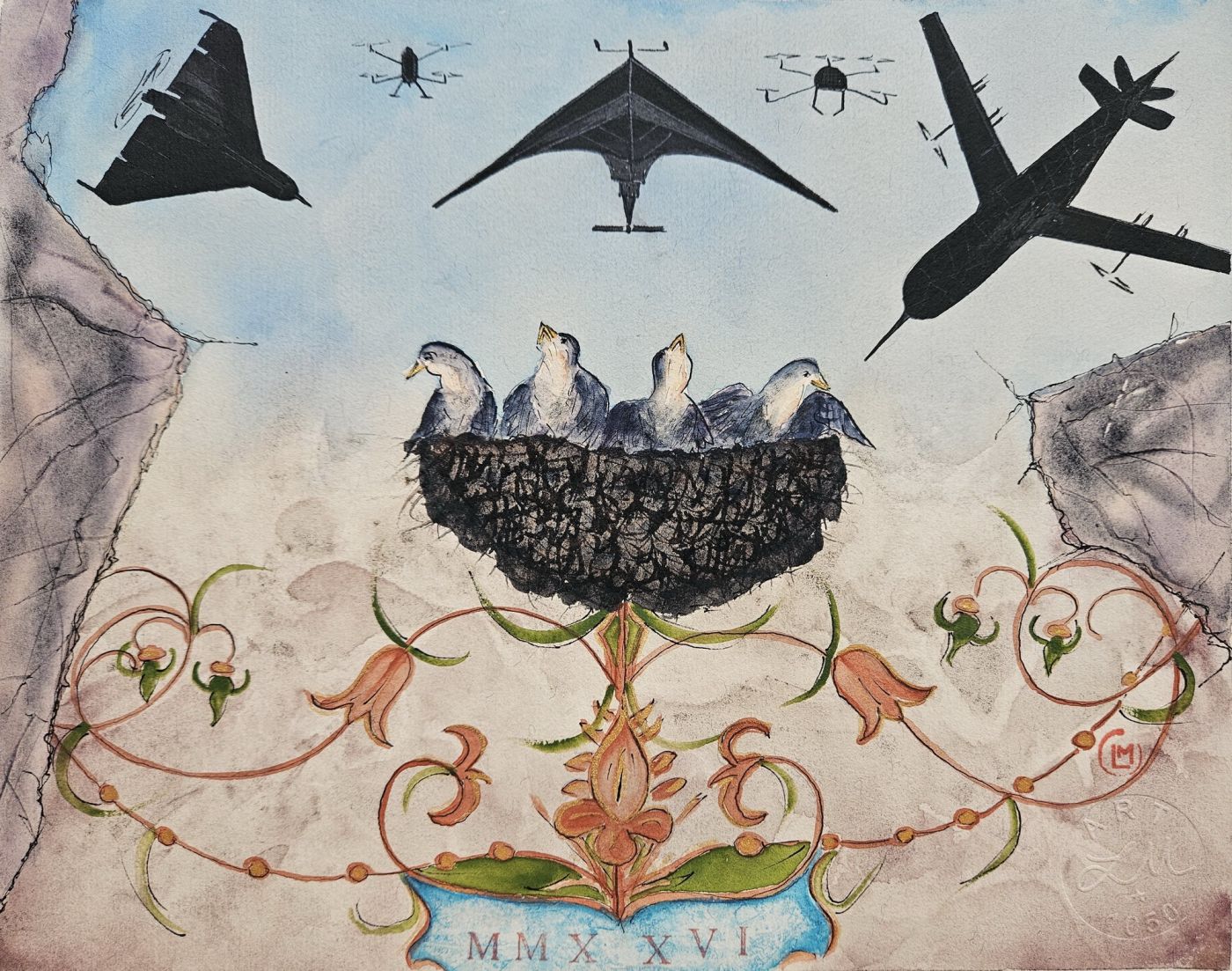
Can you imagine the terror experienced by people whose death may fall from the sky at any moment?
Care cer senin?
Vă puteți imagina cu ce teroare trăiesc unii oameni acum, când moartea pică din cer?
***
Come to Me, Into the Depths!
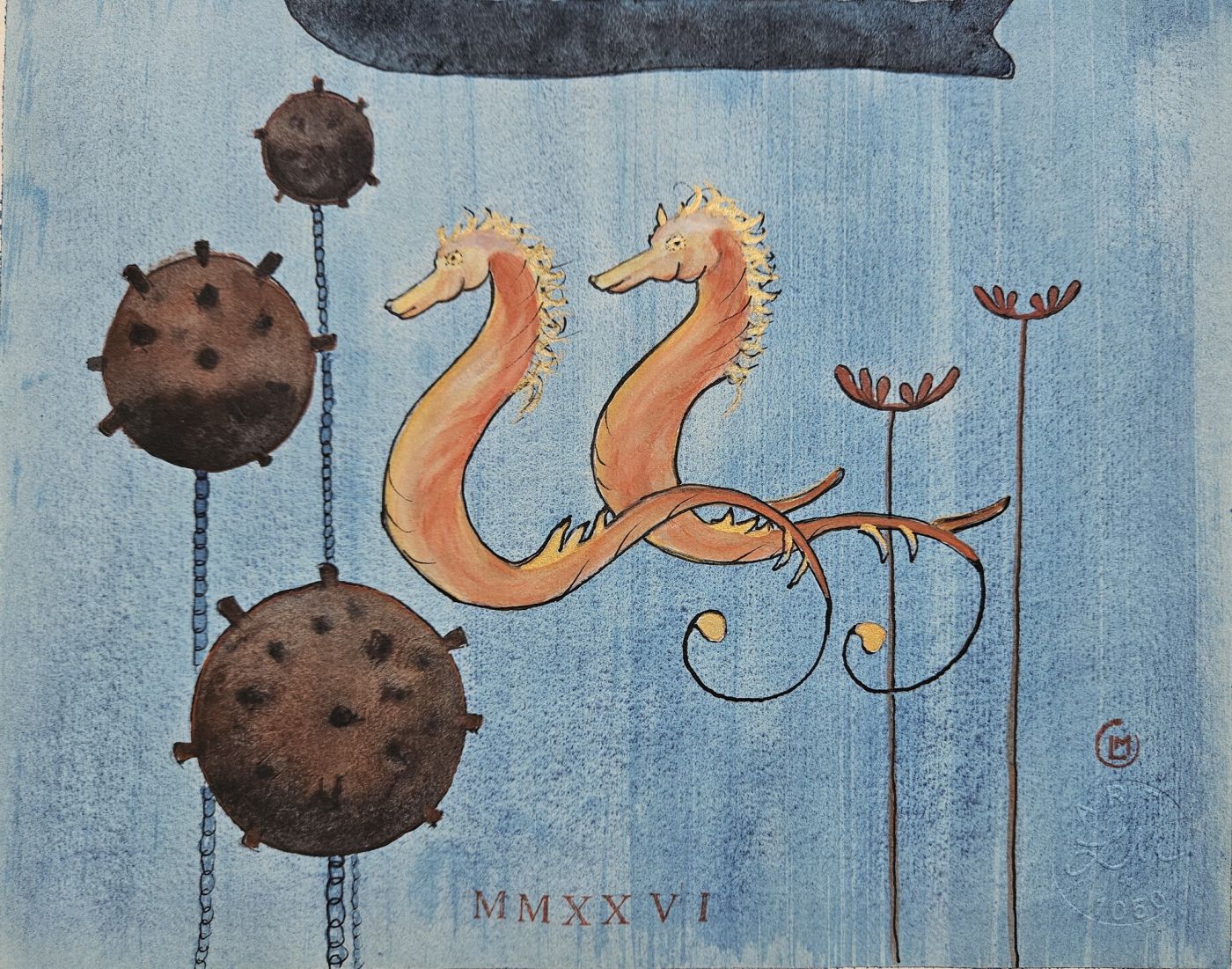
Even the depths of the seas and oceans are no longer safe. They are crossed by nuclear submarines and scattered in places with underwater mines. When humanity chooses destruction, it can achieve it in countless ways, anywhere on Earth.
Vino la MINE, în adâncuri!
Nici adâncurile mărilor și a oceanelor nu mai e sigur! Acestea sunt străbătute de submarine nucleare, sunt presărate pe alocuri cu mine subacvatice. Când omul vrea să distrugă, o poate face în diverse moduri, oriunde pe pământ…
***
The Circus of Our Times
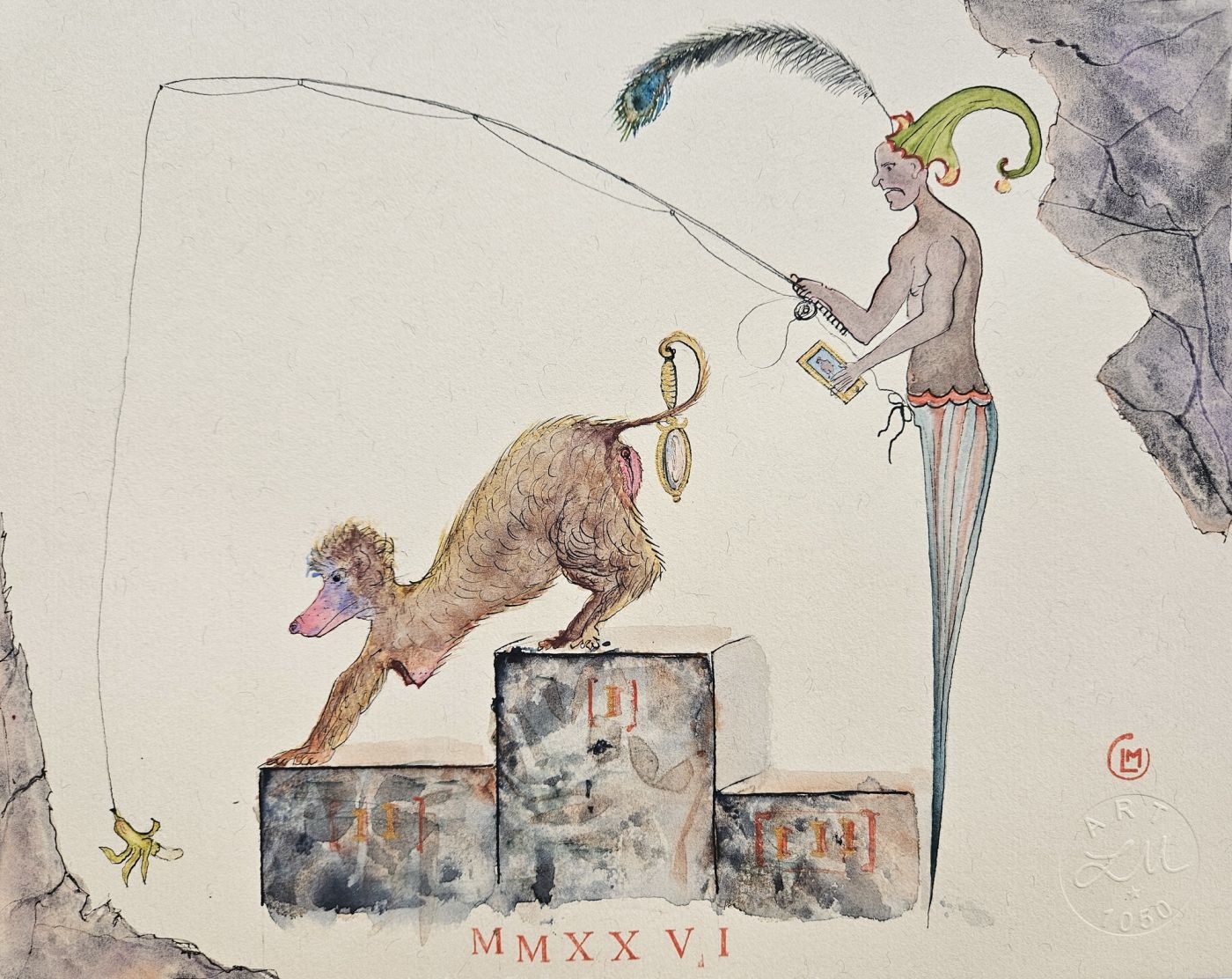
It is as if an invisible ringmaster moves the bait around to alter the natural order of things. Some people’s tendency is to push themselves to the front, to be first, to stand at the top, without ever looking at themselves in the mirror.
Circul zilelor noastre
Parcă un dresor nevăzut plimbă momeala pentru a schimba ordinea lucrurilor. Tendința unora este de a se băga în față, de a fi primii, acolo sus, fără a se uita în oglindă.
***
The Sky Through Time
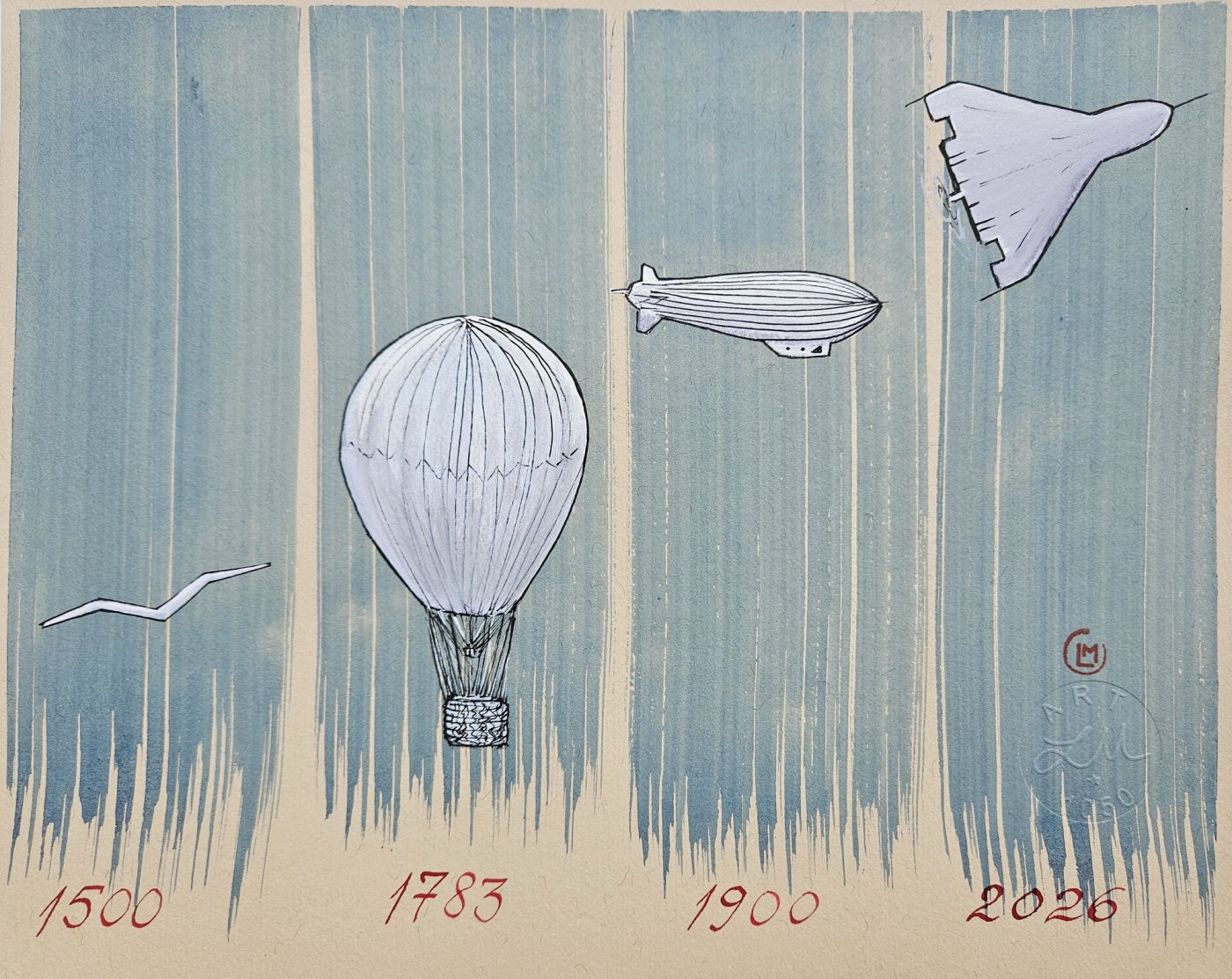
In the past, the heights of the sky belonged only to flying creatures—insects and birds. Yet humanity also desired to conquer the skies and gradually succeeded. More than that, it has invaded outer space. First came hot-air balloons, then airships; later, airplanes, rockets, and satellites. The newest development is the drone—military drones in particular, which can wreak terrible devastation at relatively low cost.
Cerul de-a lungul timpului
Mai demult înaltul cerulului era rezervat doar ființelor zburătoare, insecte și păsări. Dar și omul și-a dorit să acapareze cerul și a făcut-o treptat. Ba chiar mai mult, a invadat și spațiul cosmic. Întâi s-a înălțat cu baloane cu aer cald, apoi cu dirijabile, ulterior a zburat cu avioane, rachete și sateliți. Noutatea momentului sunt dronele (cele militare fac ravagii teribile cu costuri mici…)
***
The Man Who Thinks He Knows It All
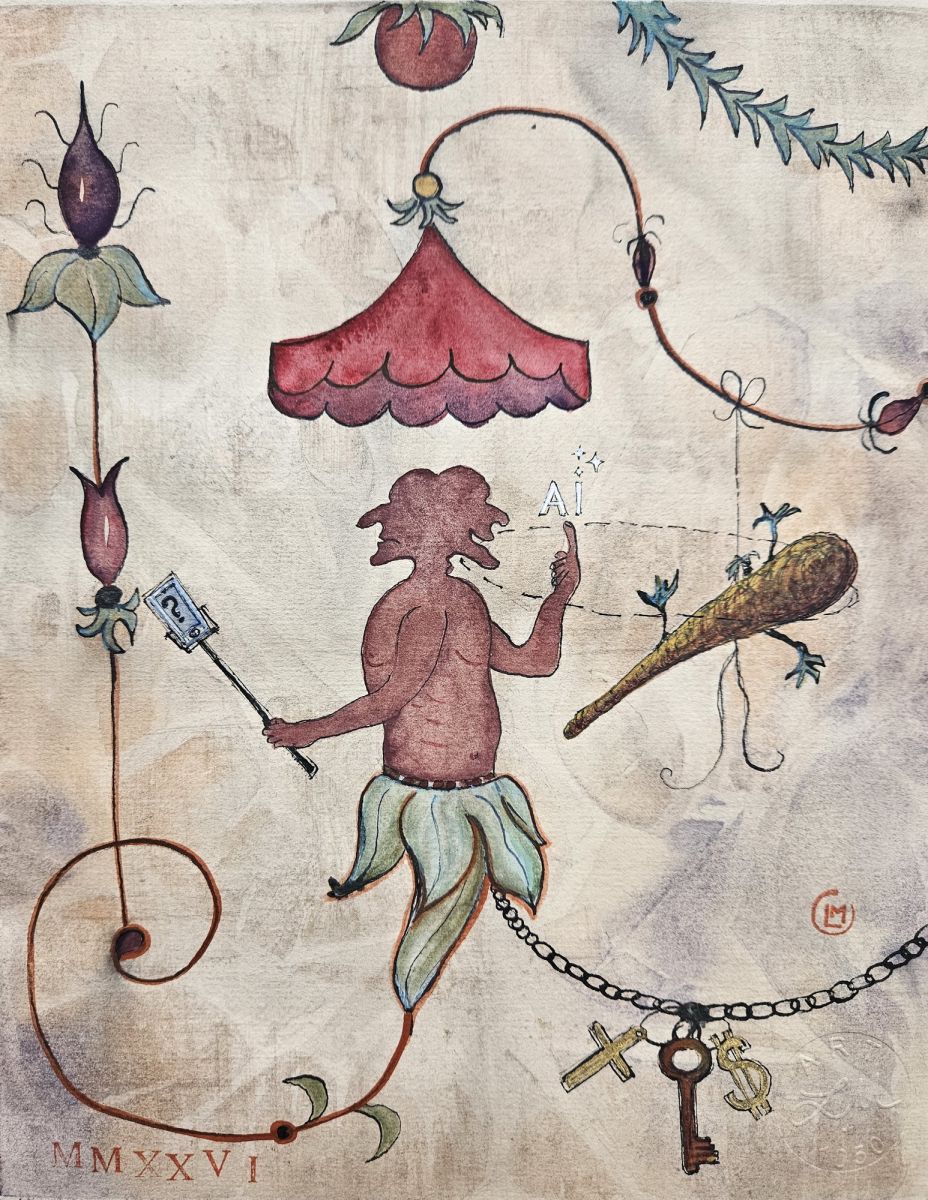
He’s the type who believes he knows everything… that he has figured out how things really work. He thinks he can never be caught off guard, that he’s always one step ahead. He’s an expert on everything because, after all, he has the “school of life” behind him. When he wants to confirm something, he searches for it online, even though he often risks falling into conspiracy theory rabbit holes. These days he asks artificial intelligence too, proudly showing off what he can do with AI. He has only certainties-he’s a man without doubts! And he’s far from being a unique case…
Omul a tot (ne)știutor
E genul care are impresia că le știe el pe toate…, că se prinde cum stă treaba defapt. El crede că nu poate fi luat pe nepregătite, că e mereu pe fază… Se pricepe la orice, că doar el are “școala vieții”. Când vrea să-și confirme chestii, caută pe Internet, chiar dacă riscă adesea să pice în plasa rețelelor de conspirații. Mai nou întrabă inteligența artificială, se dă mare cu face el cu AI-ul. Are doar certitudini – e omul fără dileme! Și nu e caz singular…
***
The Inflation
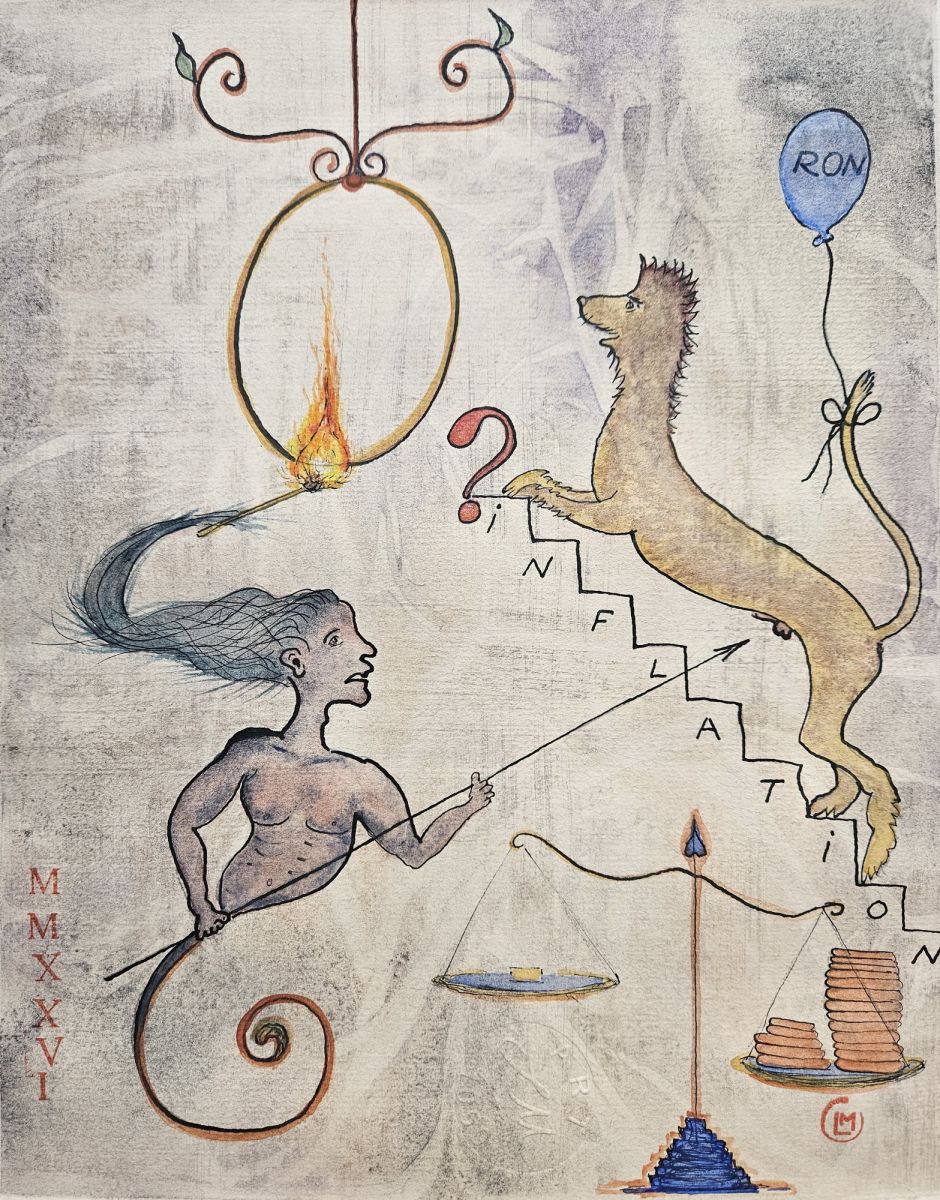
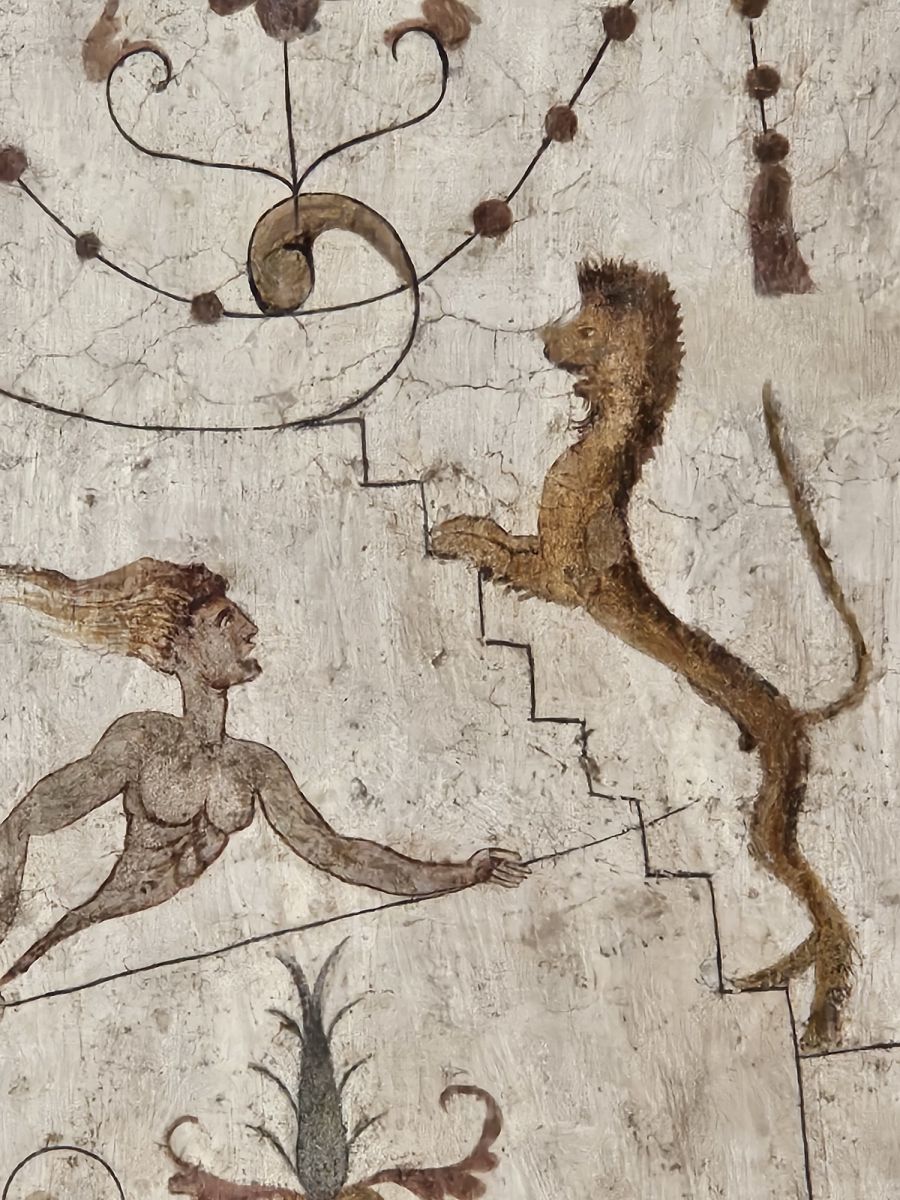
Romania’s national currency, pompously called the LEU (Lion), is once again going through a period of instability and is gradually losing value. The leu (RON) is becoming increasingly weaker compared to the euro and is climbing rapidly up the inflation ladder. Of course, this is influenced by many economic factors, but lately also by the recklessness and inconsistency of politicians who put on a circus instead of implementing reforms, pushing the leu closer and closer to a downward spiral…
Inflația Leului
Moneda românească, numită pompos LEU, trece din nou printr-o perioadă de instabilitate, se devalorizează treptat. Leul (RON) devine tot mai slăbit în comparație cu Euro, și urcă vertiginous pe scara inflației. Desigur, e influențat de multe cauze economice, dar mai nou și de nesăbuința și incoerența politicienilor, care fac circ în loc de reforme, împingând leul într-un salt spre prăbușire….
***
Work from Home
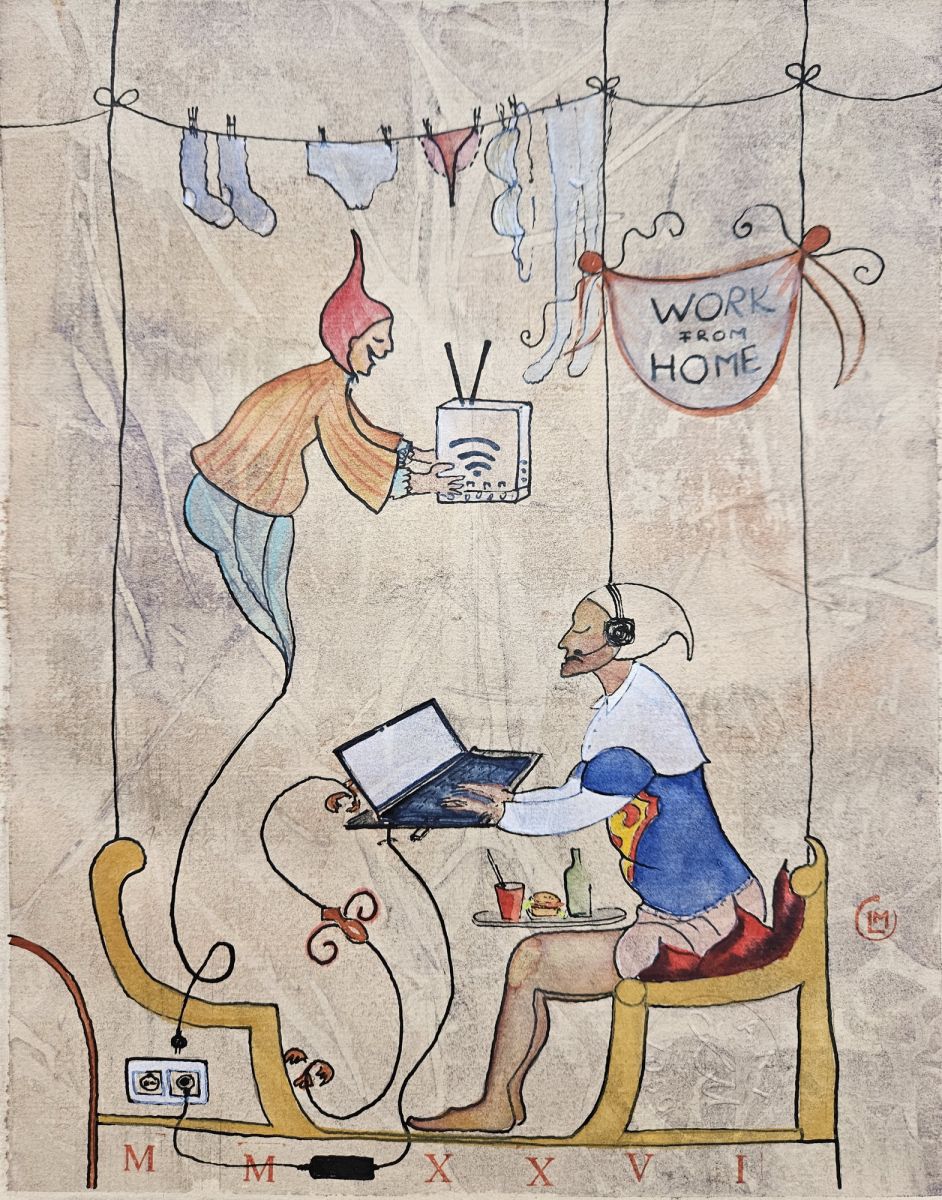
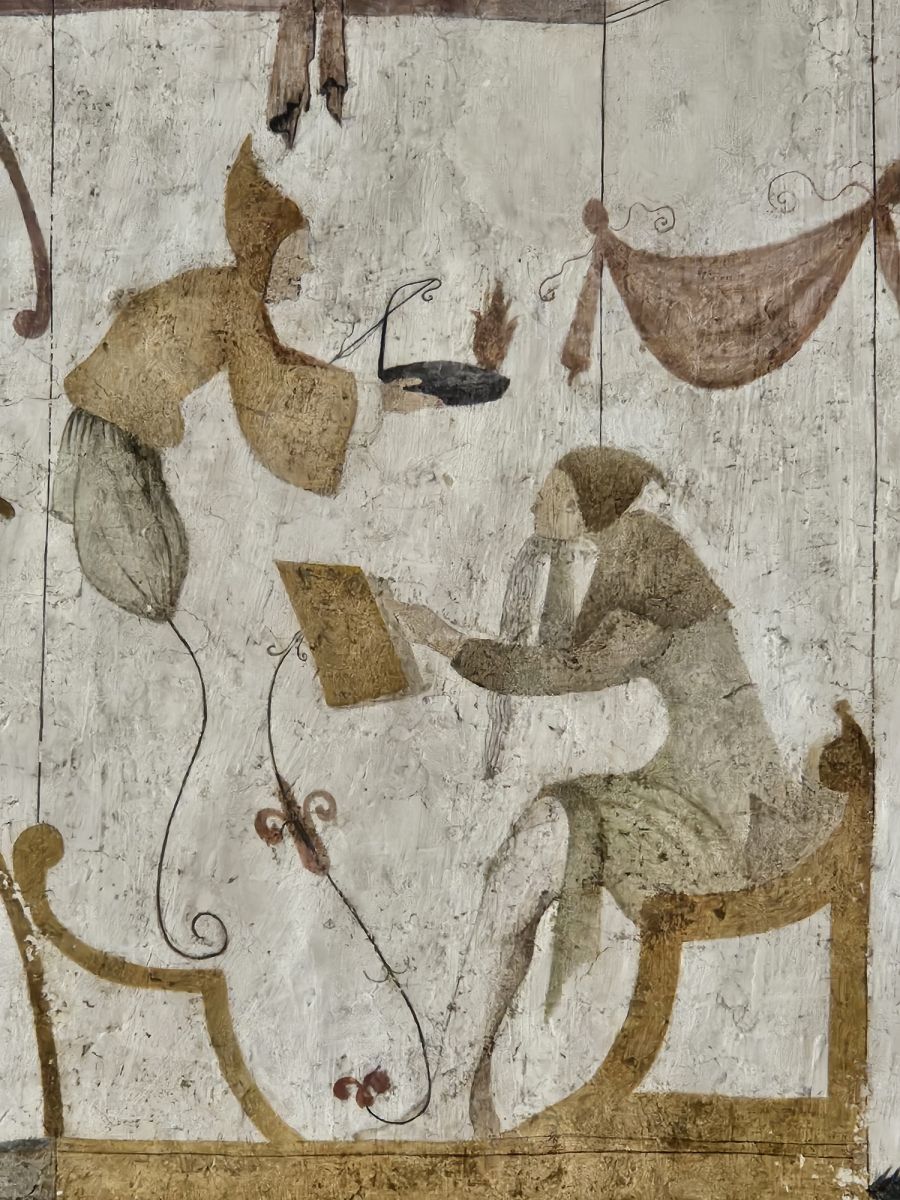
Since the pandemic, this way of working from home has been adopted in many industries and companies around the world. It reduces some of the employer’s expenses and apparently offers certain advantages to employees, but it seems it is not a perfect solution. Work from wherever you are!
Telemunca
Odată cu pandemia acest mod de lucru de acasă s-a implementat în multe domenii, în companii din toată lumea. Reduce o parte din cheltuielile angajatorului, aparent oferă mici avantaje angajatului, dar se pare că nu e o soluție perfectă. Lucrați de oriunde vă aflați!
*Ro
“Grotescul” contemporan
O frescă a lumii în care trăim
Assissi, Italia
Recent, în timpul unei călătorii în Italia, am avut ocazia să vizitez orașul Assisi, din regiunea Umbria în centrul țării. În acea după-amiază însorită de început de mai, am fost plăcut surprins să descopăr câte ceva din pitorescul acestui loc. Clădirile din piatră albă, grupate pe panta versantului, apăreau aproape aurii în lumina crudă de primăvară. Urcând pe străzile înguste, flancate de case medievale, eram purtat spre piațetele a căror perle arhitectonice erau Bazilica San Francesco sau Bazilica Sf. Clara și Catedrala San Rufino. În inima orașului, chiar peste vechiul forum roman, în celebra Piazza del Comune, vizavi de Biserica Santa Maria suprapusă pesteTemplul Minervei, se află Palazzo del Comune, care este una dintre clădirile emblematice din Assisi. Cu o arhitectură specific medievală, construit în principal în secolele XIII–XIV, complexul a fost sediul administrației civice a orașului de-a lungul secolelor.
Comori ascunse
În ziua în care am fost eu acolo, fațada clădirii era mascată de o mare tribună, din schele metalice, montată provizoriu pentru un eveniment. În spatele acestei structuri metalice am întrevăzut ceva ce părea intrarea într-o curte interioară, care defapt era un spațiu boltit, sub zidurile masive. În penumbra contrastantă cu lumina tăioasă din stradă, am început să disting suprafața doar cu tencuială învechită a zidurilor. Mai sus, spre curbura bolții am observat mici suprafețe vag colorate. Apoi mai sus am putut distinge fragmente de frescă. Surpriza abia acum a venit: tavanul boltit era acoperit în intregime cu frescă. Am rămas uluit de ce vedeam! Nuanțe estompate de ocru, roșu cărămiziu, sepia, griuri și doar într-un loc o urmă de albastru spălat de timpuri, decorau niște reprezentări grafice de care nu mai văzusem până atunci! Într-o compoziție elaborată, dominată de simetrie, erau combinații fantastice de figuri umane diforme, animale stranii, plante și ghirlande, care făceau trecerea de la un cadru la altul, sau flancau fragmente de text în latină, ori înlănțuiau personaje cu măști, într-un joc ireal cu creaturi imaginare unele chiar monstruoase. Scenele alternau de la reprezentări ludice, cu tente ironice, la combinații fantastice, unele erotice, marcate de o deformare comică, chiar stranie. Toate acestea erau pictate cu o măiestrie desăvârșită!
După ce m-am dezmeticit din acest periplu imaginar, asemenea unui vis care m-a purtat în veacuri trecute, am descoperit și o inscripție care m-a lămurit cu câteva informații.
Textul descrie o boltă pictată „volta pinta” aflată sub Palazzo del Comune, în piața principală din Assisi. Fresca datează din anul 1556 și este interesantă pentru că îmbină umorul renascentist cu influențe din arta antică romană.
Potrivit inscripției, guvernatorul apostolic al orașului a comandat decorarea bolții cu: grotescuri „decorazione a grottesche”, motive cu caracter umoristic, inspirate din vechiul Domus Aurea a împăratului Nero. Se menționează o plată făcută către „Raphael pictor”, identificat probabil cu Raffaello Coda, pictor activ în Assisi și în alte orașe din Umbria în secolul al XVI-lea. Nu pare a fi un artist foarte celebru astăzi, dar apare în documente locale ale epocii.
Această frescă este interesantă deoarece păstrează influența directă a redescoperirii artei romane antice și arată cum stilul renascentist a avut o mare influență, ajungând și în orașe mai mici. Interesant este faptul că motivele decorative sunt inspirate de frescele ce au fost redescoperite la Roma, la sfârșitul secolului al XV-lea, când câțiva artiști au coborât în ruinele palatului lui Nero Domus Aurea, unul dintre cele mai luxoase complexe ale antichității. Aceștia au copiat ornamentele antice pictându-le apoi în fresa renascentistă. Practic de aici vine și termenul „grotesc”, de la „grotte” – grote subterane. Reprezentările de tip „grotesc” apar în multe epoci și stiluri artistice, de la Roma antică până la suprarealism.
Astfel, o descoperire arheologică făcută la Roma în secolul XV a influențat direct pictura unei clădiri medievale din Assisi, la aproape 1500 de ani după Nero.
Ilustrații contemporane
Impresionat de ceea ce am descoperit, mi-am propus ca acum, după alți 500 de ani, să completez aceste vechi elemente cu simboluri contemporane, specific zilelor noastre, dar redate într-o manieră oarecum similară.
Astfel detalii din această frescă de la Assisi, anumite personaje sau animale reprezentate acolo, m-au inspirat să le pun într-un context actual și să sugerez condiția omului modern cu ce se confruntă el acum și care sunt aspectele din realitatea pe care o trăiește azi, marcat de un ritm al vieții alert, într-o continuă schimbare. Simbolurile folosite de mine fac referire la aspecte geopolitice, la conflictele și războaiele care ne afectează tot mai mult.
Paradoxal, odată cu dezvoltarea exponențială a tehnologiei omul devine tot mai vulnerabil, mai însingurat, e afectat de stres și de depresii. Rețelele de socializare, în care se pierde adesea, îl fac să se refugieze într-o bulă, care e diferită de realitate.
Acțiunile sale sunt de multe ori influențate de manipulare, propaganda și dezinformare. Consumerismul îl ispitește să-și dorească TUTUL, făcândul să cumpere impulsiv, peste măsură…, îndepărtîndu-se treptat de spiritualitate. Are astfel ocazia să trăiască grotescul contemporan.
A. Gallo colors
Din punct de vedere tehnic pot spune că am avut parte de o altă descoperire inedită la Assisi: acuarelele A.Gallo. Acestea sunt făcute manual, din pigmenți naturali, chiar acolo. Încă de la primul test calitatea lor s-a dovedit a fi deosebită! Pigmenții sunt din gama extrafini, cu transparențe excepționale, nuanțe saturate sau terne, cu tentă natural, ori culori cu o granulație ce conferă efecte specifice, inedite. Ce putea fi mai potrivit să folosesc la acesată nouă serie de ilustrații decât chiar acuarelele produse la fața locului, nu departe de celebra frescă din Assisi? Hărtia este de asemenea italiană – Magnani – Annigoni, 250g/m, dimensiune 24×30 cm